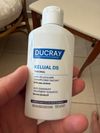
Scalp inflammation can cause hair thinning and may be related to diet, infections, or conditions like psoriasis. Treatments suggested include using Nizoral shampoo and checking vitamin levels.
The user experienced temple recession, shedding, and acne while on 0.5mg dutasteride, 1.25mg finasteride every other day, and 5mg oral minoxidil daily. They are considering switching treatments due to worsening symptoms and are contemplating using a topical anti-androgen like RU58841.
RU58841 caused chest tightness, throat irritation, and headaches, leading the user to stop its use. The user plans to restart with a lower dose if symptoms fully disappear but remains cautious due to anxiety and side effects.
Finasteride can cause oily skin and acne due to increased testosterone or sensitivity of androgen receptors. Some users find dutasteride results in less oily skin compared to finasteride.
A 32-year-old male with diffuse thinning and seborrheic dermatitis has been using finasteride for 8 months without improvement. He is considering COQ10 + PQQ supplements for scalp inflammation and hair loss.
Use tretinoin three times a week, dermaroll once a week, and apply minoxidil daily, but avoid using all three on the same day. Tretinoin is preferred over hydrocortisone and should not be used immediately after dermarolling.
Treating Seborrheic Dermatitis, a fungal scalp condition which can cause hair loss. Treatments discussed include antifungal shampoos, cold showers, exfoliating the scalp, taking Vitamin D, and stimulating the prostate through the anus.
The conversation discusses hair loss treatments, focusing on reducing scalp itching and dandruff using natural shampoos, witch hazel, and apple cider vinegar. The user also mentions using finasteride and observing potential regrowth, though it's difficult to confirm.
The conversation discusses using a microneedling device on the face after using it on the scalp, with suggestions to use a depth of 0.2mm for facial treatments. Caution and proper sterilization are advised due to the sensitivity of facial skin.
Grape seeds can cause an itchy scalp among other side effects. Users discussed their experiences and treatments like Minoxidil, finasteride, and RU58841.
The conversation discusses using scalp massage, balms like Ethera and L'Occitane, and dietary changes such as rosemary tea and tofu to address hair loss. The user is also considering high-intensity interval training and slow breathing to improve hair regrowth.
Alcohol-free minoxidil options in Europe, particularly from a German pharmacy, are recommended for those with seborrheic dermatitis. Users suggest alternatives like Alopexy and Doppelherz foam, and emphasize avoiding propylene glycol and alcohol to reduce irritation.
A user experienced an allergic reaction, including swollen lymph nodes, to Minoxidil 5% with an aqueous base. Switching to a non-alcohol-based Minoxidil (Prolox 5%) resolved the allergies.
Start with 0.025% tretinoin to enhance minoxidil effectiveness, gradually increasing to 0.05% to avoid scalp irritation. Users experienced redness, inflammation, and dandruff when introducing tretinoin too quickly.
RU58841 cured seborrheic dermatitis, oily scalp, dandruff, and scalp pain, improving hair health when combined with Minoxidil. Another user noted diet impacts their seborrheic dermatitis and that finasteride hasn't changed their condition.
The conversation is a satirical discussion about using a dermaroller on the penis, with mentions of adding finasteride and doing exercises like cock pushups and planks. Some users joke about side effects and the absurdity of the topic.
Microneedling is discussed as a favorable hair loss treatment, with no consensus on whether to glide or remove the device between areas. Scalp irritation varies by individual, and some users report no need for gel during the process.
The user started using 5% liquid minoxidil on their scalp and noticed increased facial dryness and faster facial hair growth. They plan to reduce the application to once a day to see if it helps with the dryness.
The user started using 0.1% finasteride and 5% minoxidil twice daily and experienced an itchy scalp. Suggestions include checking for allergies, dry scalp, or seborrheic dermatitis.
Topical minoxidil can cause water retention, making the face appear swollen. Switching from liquid to foam and reducing application frequency may help; using dandelion root extract as a diuretic is also suggested.
The post discusses allergens in everyday shampoos and skincare products, listing yearly allergens from 2000 to 2023. It suggests that these chemicals might contribute to acne and hair loss.
A woman is frustrated with her hair loss and the slow, ineffective healthcare system in Canada. She has tried treatments like minoxidil, doxycycline, and kenalog injections, but continues to experience painful inflammation and hair loss.
This post and conversation are about the molecular mechanisms triggered by microneedling, specifically its effects on inflammation, tissue remodeling, epithelial proliferation, differentiation, and collagen synthesis. The discussion highlights the potential benefits of microneedling for hair loss treatment.
Use retin-a cream and maintain a good skincare routine to counteract skin issues caused by topical minoxidil. Taking sublingual minoxidil can also be beneficial.
An arthritis drug, baricitinib, is discussed as a potential treatment for autoimmune alopecia, not androgenetic alopecia. Ritlecitinib is also mentioned as a possible treatment for scarring alopecia.
Pyrilutamide's effect on sebum production and scalp inflammation is unclear, with users noting no significant changes. Isotretinoin is mentioned as effective for reducing sebum, while Dutasteride and various shampoos have limited impact on oiliness and seborrheic dermatitis.
A 37-year-old male resolved scalp folliculitis by adopting a low-histamine diet and taking Vitamin A, Zinc, and Fish Oil, leading to better skin health and thicker hair. He warns about the potential toxicity of excessive Vitamin A intake.
Minoxidil is causing severe scalp irritation, including itchiness and dryness, for the user. Alternatives suggested include anti-fungal treatments, propylene-glycol-free formulations, and possibly oral minoxidil.