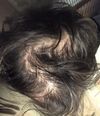
The conversation discusses hair loss treatments, specifically mentioning Spiro, Min, Fin, and RU. It highlights that Spiro is generally for women and can affect men's hormonal balance.
The user improved diffuse thinning without finasteride by using minoxidil foam, cold showers, gentle hair drying, 2% ketoconazole, sulfate-free tea tree oil shampoo, dermastamping, and supplements like Omega-3, Vitamin-D, Biotin, Keratin, Collagen, B3, Zinc, and Magnesium. The regimen was followed for about six months under dermatologist guidance.
A user shared their experience with high cholesterol, glucose, and potential metabolic syndrome after using Finasteride and Dutasteride for hair loss. They plan to improve their health with diet and exercise before considering medication.
Oral PTD-DBM was discussed as a potential hair loss treatment, but it was deemed ineffective in humans despite promising results in mice. The conversation concluded that trying it without VPA might be unwise.
Mixing finasteride pills with stemoxydine is not recommended due to potential solubility and safety issues. It's advised to consult a healthcare provider for professionally formulated topical finasteride products.
A 57-year-old man with male pattern hair loss and insulin resistance experienced hair regrowth and weight loss after using tirzepatide, without other hair treatments. Dysregulated glucose metabolism is linked to hair loss, with tirzepatide potentially improving hair density by normalizing insulin resistance.
The user is experiencing stage 2 hair loss and thinning, noticing more scalp visibility with short hair. They are considering diet, yoga, scalp massage, supplements, and a serum recommended by their doctor, and questioning if it's safe to stop using the serum and whether to get a blood test since hair loss isn't a family trait.
The conversation discusses a new model for understanding androgenetic alopecia (AGA), linking it to dietary and lifestyle factors similar to PCOS, and highlighting the role of DHT, vascular damage, and inflammation. Treatments mentioned include Minoxidil, finasteride, and RU58841.
Beta blockers may cause hair thinning as a side effect. The user is concerned about this and seeks others' experiences with hair loss while using beta blockers.
The conversation discusses the side effects of finasteride, including low libido and erectile dysfunction, and the possibility of these effects being permanent, known as post-finasteride syndrome (PFS). Some users report personal experiences with PFS and debate whether the condition is real, with varying opinions on the reversibility of side effects and the role of individual biology.
Improving hair health involves not only using treatments like finasteride, minoxidil, and ketoconazole but also focusing on a healthy lifestyle, including diet, exercise, and stress management. A balanced approach enhances treatment effectiveness and overall well-being.
A user shared their hair regrowth success using microneedling with a dermaroller every 6 days and minoxidil, recommending betadine (povidone-iodine) before microneedling to sterilize the scalp and enhance results. Another user noted the potential risks of iodine toxicity.
The safety of combining alfatradiol and fluridil with finasteride as a potential treatment for male pattern baldness, which is approved in the European Union. Other treatments such as minoxidil and RU58841 were also discussed.
Using tretinoin or tazarotene with minoxidil may eliminate the need for microneedling or dermastamping. Microneedling can enhance minoxidil's effects but may cause long-term scalp issues.
The user has been using oral finasteride for 15 months and oral minoxidil for 6 months, and developed alopecia areata, for which a dermatologist prescribed calcipotriol/betamethasone. The treatment is helping, but the user is experiencing another shedding phase and is concerned about the effects of the steroid cream and the cause of hair loss.
The conversation discusses the potential effects of soy isoflavones on hair loss, suggesting soy might counteract DHT due to its estrogenic properties. It also touches on the legitimacy of sources and anecdotal stories about soy consumption.
The user shared a 5-month update on using finasteride, minoxidil, and ketoconazole shampoo for diffuse thinning, along with supplements like B-Vitamins, D-Vitamins, Iron, and Beta carotene. They noted improvement in hair condition and encouraged others to check previous posts for more information.
A user experienced persistent headaches after a stressful week and questioned if 0.25mg finasteride could be the cause, despite using minoxidil for two years. Another user suggested stress is likely the main factor, not the medication, and advised consulting a healthcare provider if headaches persist.
The conversation is about the potential risk of permanent hair loss from PRP (platelet rich plasma) treatments and whether PRF (platelet rich fibrin) carries the same risk. The user is seeking information on this topic.
A dermatologist refused to prescribe finasteride due to concerns about recent research linking it to male breast cancer, suggesting a topical alternative with minoxidil instead. The user is advised to seek a second opinion, as the evidence for such risks is inconclusive and the dermatologist's reasoning seems questionable.
Poor diet and lifestyle contribute to male pattern baldness. Treatments like Minoxidil, dietary changes, and lifestyle adjustments may help slow hair loss.
Intermittent finasteride dosing, like taking it every third day, may reduce side effects while still lowering DHT levels. Users report side effects such as brain fog and weaker erections, which often subside after stopping the drug.
The user is experiencing chest sensitivity and muscle ache after using topical finasteride for a month and is concerned about potential gynecomastia. They are considering asking their doctor for blood work to check estrogen levels and are questioning whether to stop using finasteride.
A user experienced chest discomfort after taking finasteride for hair loss and is concerned about whether it is a side effect or an allergy. They are advised to consult a doctor and consider other hair loss treatments if necessary.
The conversation is about the perceived risks of oral minoxidil compared to spironolactone for treating hair loss, with the original poster currently taking spironolactone due to concerns about oral minoxidil's safety.
The conversation is about which blood markers to test before starting a 5-AR inhibitor for hair loss. The user mentions already testing Total T, Free T, SHBG, Estradiol, Haematocrit, Red blood cell count, and White cell count, and asks if DHT or additional markers are needed.
The user underwent a biopsy two years ago and was diagnosed with keratosis pilaris, leading to hair issues. They tried treatments including Minoxidil, betamethasone, lymecycline, topical Accutane, and dutasteride, as well as diet changes, without improvement in hair thickness or skin dryness.