RU58841 powder from a lab supplier was tested at a free drug testing service. The discussion includes using Minoxidil and finasteride for hair loss treatment.
The conversation discusses positive initial trial results for GT20029, a topical compound for hair loss that degrades androgen receptors, potentially requiring only weekly application. Participants express hope for this treatment to be more effective and convenient than current options like Minoxidil, Finasteride, and RU58841.
Kintor Pharma completed enrolling subjects for a Phase III trial of KX-826 for male hair loss treatment. The trial includes a 24-week treatment period and a 4-week safety follow-up, with results expected in about 6-7 months.
PP405 is a potential hair loss treatment undergoing trials, with discussions on its effectiveness and comparison to existing treatments like finasteride and minoxidil. There is skepticism about its status as a cure, with hopes for future advancements in genetic treatments like CRISPR.
A user shared their experience with hair transplant scab removal, noting that most scabs came off easily without bleeding by using oil and shampoo. They sought advice on whether any hair was lost during the process, and others reassured them that no hair was lost and to trust the healing process.
PP405 may damage hair follicles if used long-term, suggesting cycling might be necessary. Combining it with finasteride could help maintain hair growth.
PP405 is a topical gel being tested for hair regrowth in adults with androgenetic alopecia. Volunteers aged 18-55 are needed for a 16-week trial in several US locations.
KX-826/pyrilutamide is undergoing an additional one-year safety and efficacy trial in China after a six-month study. Some participants speculate on the reasons for the extended trial and discuss the potential of other treatments.
Rejuv-3X, a topical blend with GHK-Cu, AHK-Cu, and JXL-089, is used for hair loss, offering a targeted option without finasteride's side effects. The user plans to combine it with microneedling for enhanced results.
The user shared a 4-month update on their hair loss treatment, using 2.5 mg OM daily, 0.5 mg Dutasteride three times a week, and a multivitamin with biotin. They provided progress pictures to show their results.
The applicator for a homemade hair loss solution containing Minoxidil, RU58841, Azelaic acid, and caffeine is difficult to use, with users experiencing issues with dispensing the liquid. Some suggest pressing harder or using a different method, like a dropper, for better application.
A user shared progress pictures showing significant hair improvement using a Hims spray containing minoxidil and finasteride, along with biotin gummies and alternating shampoo and conditioner. Other users noted similar positive results with the Hims brand and discussed the importance of consistency over time.
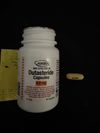
Derek has maintained his hair for over a decade using dutasteride, keto shampoo, and previously minoxidil, despite early hair loss and family history of baldness. Other users discuss their own hair loss treatments, including combinations of oral minoxidil, finasteride, dutasteride, RU58841, nizoral, microneedling, and low-level laser therapy.
Participants want to maintain hair until at least age 30, using treatments like finasteride, dutasteride, and minoxidil. Hair loss remains a concern, with some considering hair transplants.
The user experienced worse hair after removing a wig system and has been using Hairband 82 Comfort Flex, Hair Max supplements, dermarolling, and a scalp massager for 4 months without clear results. They are hesitant to use Minoxidil due to shedding concerns and avoid finasteride due to side effects, preferring Saw Palmetto instead.
The user is using oral dutasteride, topical minoxidil (Regaine foam 5%), and ketoconazole shampoo for hair loss, reporting good results with no significant side effects. The user is 26 years old and applies minoxidil once or twice daily.
A 22-year-old male is experiencing hair loss due to seborrheic dermatitis, not male pattern baldness, and is seeking advice. Suggestions include using Nizoral, sulfate-free and ketoconazole shampoos, cutting hair short, using cold water, avoiding picking scabs, and trying selenium sulfide shampoo or finasteride.
Oral minoxidil treatment increased hair density and shaft caliber in AGA patients. Side effects included hypertrichosis and lower extremity edema, with younger patients experiencing fewer side effects.
The conversation discusses the absorption and effectiveness of PG-free versus PG versions of RU58841, with some users believing PG improves efficacy while others see no difference. Concerns about RU58841's potential side effects on the endocrine system are also mentioned, with one user considering switching to pyrilutamide.
Kintor's GT20029, a treatment for hair loss, has completed Phase 1 successfully, showing promise as an androgen receptor degrader that could potentially regrow hair. It is considered more effective than Pyrilutamide, with infrequent dosing and minimal systemic absorption.
Naepo's 5-month progress report detailing their journey of treating male pattern baldness with dutasteride and oral minoxidil, which has already resulted in an encouraging improvement in hair density. Others have responded with appreciation for the thorough report and asked further questions about Naepo's educational background.
The user experienced hair regrowth with oral minoxidil and finasteride but faced aggressive hair loss after developing IBS, questioning if the condition affects medication absorption. They are considering switching to topical treatments.
The conversation discusses arranging an interview with the developers of RU58841 to clarify its safety and reasons for halted research, with some users expressing concerns about potential risks and others citing financial reasons for the discontinuation of studies. Specific treatments mentioned include RU58841, minoxidil, and finasteride.
Dr. Bloxham's 9-month update on FUT scar revision with Verteporfin shows promising results. Excitement is high for FUE, which appears highly effective based on Dr. Barghouthi's findings.
Sulfur soap may help with hair thickening and reducing scalp inflammation, but it can cause dryness. Nizoral, containing ketoconazole, is noted for its potential to reduce seborrheic dermatitis but may also cause scalp dryness and hair loss.
The user is considering adding a topical treatment to their current regimen of finasteride and oral minoxidil to protect their temple area, with options like piro, RU58841, or topical finasteride or dutasteride. They are advised against overcomplicating their treatment, but another user suggests a topical with 8% minoxidil/dutasteride for better results.
A 22-year-old male experiencing hair loss suspects androgenetic alopecia (AGA) and possibly telogen effluvium (TE), with a noted improvement in scalp itch after adopting a gluten-free diet. He is advised to consider treatments like finasteride or minoxidil and to check iron and ferritin levels.
KX-826 (Pyrilutamide) 0.5% and 1.0% solutions showed promising results in increasing hair count for male androgenetic alopecia, with the 0.5% dose slightly outperforming the 1% dose. The treatment was well-tolerated with no sexual side effects, but skepticism remains due to past inconsistencies in trial results.