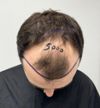
A hair tattoo substitute for a hair transplant, which many people felt was not a good idea. Several treatments were suggested as alternatives, such as Scalp Micro Pigmentation (SMP) and wigs.
A user shared a 10-month update on their hair loss treatment, including a hair transplant of 2300 grafts and 7.5 months of using a topical minoxidil/finasteride solution and ketoconazole shampoo. They expressed regret for not starting the medications sooner and reported side effects like heart palpitations, which improved after cutting out caffeine.
Hair transplants have improved significantly from the old "plug" method, which left unnatural results. Modern techniques by skilled doctors can achieve natural-looking hairlines.
A 27-year-old shared progress 6 months after a hair transplant of 4500 grafts, using finasteride and minoxidil. The procedure was done at Vera Clinic in Istanbul, costing 3000 Euros, and the user is pleased with the results.
The clinic diagnosed the user with NW3 and AGA, noting thinning hair despite using finasteride for 3 years, and suggested PRP and Mesotherapy before considering a transplant. The user questions the necessity of these treatments without confirming retrograde alopecia and its treatability.
Microneedling's effectiveness for hair growth is debated, with some suggesting it enhances minoxidil absorption, but evidence is inconclusive. Concerns exist about its impact on hair transplants, and opinions vary on its use with other treatments like RU58841 and stemoxydine.
The user has been using Minoxidil, finasteride, and a dermaroller for a year with little effect on hair loss. They are considering a hair transplant and are questioning the number of grafts needed and the feasibility of transplanting onto a partially bald scalp.
PP405 shows promise for hair regrowth by manipulating stem cell characteristics and lactate dehydrogenase, with Phase 2a trials pending. Google Ventures' $15M investment suggests confidence, but results and market availability remain uncertain.
PP405, a topical LDH inhibitor, has shown to stimulate hair follicle stem cell proliferation in humans with moderate hair loss. They are advancing to more detailed trials this year.
The conversation is about a user trying a new hair loss treatment, Ruxolitinib, alongside their existing regimen of finasteride, minoxidil, ketoconazole shampoo, and microneedling. They plan to apply Ruxolitinib to their temples daily for 1-2 months.
A user shared their positive experience with a 3200 graft hair transplant surgery, costing 1.20 lakh INR, performed by a doctor with a background at Eugenix. Post-surgery, they were instructed to use minoxidil 5% topically, take finasteride tablets, and undergo PRP treatments.
A user shared their experience with hair loss treatments, including I-PRF injections, mesotherapy, and a topical solution containing Minoxidil and Finasteride. After experiencing side effects, they decided to stop the medicinal treatments and focus on natural alternatives like I-PRF, microneedling, and essential oils.
Clinical studies by Dr. Barghouthi and Dr. Bloxham indicate that Verteporfin, when used with FUE and FUT hair transplantation methods, shows promise in hair follicle regeneration and minimal scarring due to its ability to inhibit Yes-associated protein (YAP). Microneedling at depths of 3-3.5mm, combined with Verteporfin, could potentially reactivate dormant follicles, although the optimal dosage and application method are still under investigation. Concerns remain about the DHT sensitivity of regenerated follicles, highlighting the need for further research to optimize trauma levels and Verteporfin concentrations to achieve effective and scar-free hair regeneration.
Scientists have grown natural-looking hair from stem cells, potentially revolutionizing hair growth treatments. Concerns include cost, DHT resistance, and the need for future procedures.
The user started on Finasteride, switched to Dutasteride, and is considering microneedling but was advised against it by their hair surgeon due to potential scalp issues affecting a planned hair transplant. Other users suggest alternatives like Minoxidil, PRP, and avoiding microneedling due to the risk of scar tissue impacting transplant results.
The user underwent a hair transplant in Turkey and has been using a topical solution with 5% minoxidil and 0.0025% finasteride, along with Ket 2% shampoo and derma rolling, to maintain hair status. They are uncertain about improvements, noting thicker non-transplanted hair, and are considering increasing medication frequency to enhance results.
A 36-year-old considering a fourth hair transplant is advised to either shave his head or use a hair system due to poor results from previous transplants and late medication use. He plans to consult top surgeons and adjust his current treatments, including finasteride and minoxidil.
Combining microneedling with Low Level Laser Therapy (LLLT) for hair growth, with discussions on device legitimacy and effectiveness. Alternatives like PEMF and the use of oral and topical treatments such as dutasteride, minoxidil, and finasteride are also considered.
ET-02 showed significant hair growth in five weeks, outperforming minoxidil, with a non-hormonal mechanism that avoids side effects of treatments like finasteride. A phase 2 trial is planned to further assess ET-02's efficacy and safety.
Using lice as an alternative to microneedling for hair loss treatment, with concerns about effectiveness and practicality. Some users humorously suggest genetically altering lice to produce beneficial compounds.
Hair cell therapy and follicle cloning are still in experimental stages, with treatments like hair multiplication and regenerative hair therapy being marketed but not yet proven to create unlimited new follicles. There is skepticism about the effectiveness and legitimacy of these treatments, with some considering them scams.
A 22-year-old is frustrated with ongoing hair loss despite using treatments like topical minoxidil, finasteride, microneedling, oral dutasteride, and oral minoxidil. Their dermatologist suggests treating scalp inflammation with oral tretinoin and using exosomes for alopecia.
A 24-year-old shared a 4-month update on their hair transplant of 3900 grafts done by Dr. Serkan Aygin in Turkey, costing 3100 euros. They have been using topical minoxidil at night and 1mg of finasteride daily for about a year and a half before the transplant.
A user traveled to Turkey for a 5000-graft FUE hair transplant at ASMED Clinic with Dr. Koray Erdogan. They used finasteride before and after the surgery and shared detailed experiences, costs, and recovery tips.
A user shared their positive experience with a hair transplant of 3500 grafts, showing significant improvement in appearance after 5 months. They underwent the procedure at Heva Clinic in Istanbul for $2,300 USD, which included aftercare, and attributed their hair loss to both genetics and traction alopecia from tight hairstyles.
Dr. Tsuji's stem cell hair multiplication procedure may offer a future solution for hair loss, but it is initially expected to be very expensive, with prices potentially decreasing over time. In the meantime, users discuss using treatments like finasteride, despite side effects, to manage hair loss.
A user shared their positive experience 12 months after a hair transplant with 4052 grafts and 10130 hairs, using finasteride, red light therapy, B12, biotin, and rosemary oil. They are satisfied with the results and recommend these treatments.
Combining therapies like scyllo-inositol, alpha-ketoglutarate, and autophagy-inducing supplements may enhance hair growth and prevent hair loss. Reporting individual results can accelerate progress in hair loss treatments.