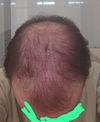
Inflammation on the scalp can hinder hair regrowth and the effectiveness of treatments. The user is using ketoconazole shampoo, Selsun Blue, finasteride, and oral minoxidil.
A user shared their one-month progress using finasteride 1mg, oral minoxidil 5mg, biotin, zinc, iron, omega, and vitamins D and E. Other users noted good results but suggested only finasteride and minoxidil are necessary.
The conversation is about the ineffectiveness of 1% ketoconazole for hair loss, with the user stating that studies support the 2% version and even that has minimal results. The user also mentions using minoxidil, which dries out their scalp, and ketoconazole worsens it.
Exosome stem cell treatment for hair loss, which is expensive and reportedly effective, but its popularity has declined. The conversation also mentions Minoxidil, finasteride, and RU58841 as treatments.
OP is considering using Stemoxydine or the Ordinary Multi Peptide Hair Serum as a carrier for topical finasteride, avoiding minoxidil due to palpitations. They plan to crush finasteride pills into a 30 ml solution.
A topical solution called "Multi-Peptide Serum for Hair Density" by The Ordinary Company, which contains several ingredients that are used in alternatives to Minoxidil and was found to have better results than 5% Minoxidil in a study. People who have tried it shared their experiences with the serum as well.
A user is experiencing worsening hair loss despite using finasteride, PRP treatments, and supplements like vitamin D, biotin, zinc, and iron. They are seeking advice on whether to continue with finasteride, increase the dosage, or try additional PRP sessions.
The conversation discusses hair loss and bloodwork results, focusing on zinc, vitamin D, and ferritin levels. The user is experiencing telogen effluvium after surgery and seeks advice on supplementation.
Fatty acid metabolic signaling can activate epithelial stem cells for hair regeneration. Oleic and palmitoleic acids showed the best results, but practical application on humans remains uncertain.
The user is trying Hair + Me's 5% minoxidil and 0.1% finasteride topical, which has a different carrier and pleasant smell compared to traditional alcohol-based formulas. They are seeking feedback on its effectiveness compared to classic formulas.
A user reported that Procerin, containing Saw Palmetto and Pumpkin seed oil, provided similar hair thickening results as finasteride but with milder side effects. They experienced reduced libido and watery ejaculations but are adjusting the dose to minimize these effects.
The user shared their 9-month progress using exosomes and topical minoxidil for hair loss, concluding that minoxidil was more effective for them than exosomes. They plan to continue using minoxidil and have started finasteride while managing dandruff with salicylic acid.
PP405 shows promise for hair regrowth by manipulating stem cell characteristics and lactate dehydrogenase, with Phase 2a trials pending. Google Ventures' $15M investment suggests confidence, but results and market availability remain uncertain.
CHK-Cu (copper peptide) and C-60 (branched carbon chain) are discussed as potentially more effective than minoxidil for hair regrowth. Some users are skeptical about the claim that DHT isn't the root cause of hair loss, and others are trying these products to see if they work.
The conversation is about which blood tests are essential to check before starting hair loss treatment with finasteride or dutasteride. The tests mentioned include DHT, PSA, Estrogen/Estradiol, Testosterone, FSH, and LH.
Vitamin E is suggested as beneficial for hair follicles. Some users question the dosage and effectiveness, while others share positive experiences with vitamins.
Glycine supplementation may increase 5-alpha reductase activity, potentially affecting hair loss. Users discuss its impact on hair fall and its role in the body.
Hair regrowth treatments for cis-males include Minoxidil, Finasteride, and RU58841. Estrogen and testosterone blockers can help restore hair loss but may not suit everyone.
Treatments for hair loss, specifically the use of minoxidil, finasteride and RU58841. Replies to this post suggest that users should share relevant information publicly rather than through direct messages.
The conversation discusses alternatives to Minoxidil, such as Nanoxidil and Trioxidil, and the use of DIY oil mixtures for hair loss treatment. Users share their experiences and opinions on these products.
A 43-year-old male with advanced hair loss is experimenting with alternative treatments, including red light therapy, microneedling, scalp massages, an oil mix, and ketoconazole shampoo, after previously experiencing side effects from finasteride and minoxidil. He noticed some minor changes with red light therapy but remains skeptical about significant improvement.
User experienced bad reaction to minoxidil and asks if anyone tried stemoxydine alone for hair loss. They consider trying stemoxydine with low dose topical finasteride after testing stemoxydine on a small area.
The conversation discusses the possibility of creating liposomal topical finasteride at home or at a local pharmacy, questioning if it is an expensive or proprietary technology. It also mentions making topical finasteride using alcohol and propylene glycol.
The conversation discusses the effectiveness of finasteride and microneedling for treating hair loss. The linked article is seen as an advertisement for these treatments.
27-year-old female experiences aggressive hair thinning and hirsutism despite normal testosterone levels. Spironolactone and 2% minoxidil were ineffective; high DHEA sulfate levels may be the cause.
A group buy for hair loss treatments including Harmine 19a, TM5614, Abiraterone Acetate, and others. A compound, BMS-202, that can potentially reverse gray hair is also mentioned.
Vitamins and minerals like vitamin E, zinc, and iron may aid hair growth, especially in cases of deficiency. Pumpkin seed oil, saw palmetto, horsetail, and AminoMar show some promise for improving hair health and count.
Breezula's phase 3 results are expected soon, with discussions on the effectiveness of androgen receptor antagonists like spironolactone and the potential of GT20029. Users express skepticism about new treatments and discuss the complexities of male pattern baldness, often relying on finasteride despite its side effects.
The user is taking 0.5mg finasteride and 0.5mg Loniten orally daily, using Eucapil twice weekly, and Minoxidil foam once daily for hair loss. They believe Eucapil effectively stops hair loss despite side effects like breast growth.