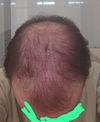
A user noticed increased hair loss and was prescribed Betamethasone dipropionate 0.05% lotion by a dermatologist. Another user suggested changing doctors and asking for finasteride instead.
A user is seeking advice on the efficacy and side effects of homemade topical solutions for hair loss, specifically bicalutamide, estradiol, cyproterone acetate, and spironolactone, as they cannot access RU58841 or pyrilutamide.
RU58841 from rudirect caused more hair shedding and itch, while anageninc's RU58841 improved the situation. Users are concerned about the quality and authenticity of RU58841 from different suppliers, including those from China.
The conversation is about whether it's safe to use minoxidil with a mix of stemoxydine, RU58841, alfatradiol, and tretinoin at the same time for hair loss treatment. Concerns were raised about the absorption and effectiveness when these treatments are applied together.
The user is considering whether to add RU58841 or Nizoral shampoo to their current hair loss treatment of finasteride and minoxidil, noting budget constraints and concerns about hair dryness. They are unsure if RU58841 is worth adding or if they should use both treatments to see the effects.
A user is trying 2-deoxy-D-ribose with distilled water for hair growth, observing new hair and skin pigmentation changes. Others compare it to Minoxidil, expressing interest and caution about its effectiveness and safety.
Using a daily hair spray with 0.3% finasteride, 7% minoxidil, 2% ketoconazole, and biotin, along with a 1% ketoconazole shampoo once or twice a week, may be excessive according to the product's recommendations. The user is unsure about this regimen for treating androgenetic alopecia (AGA).
The conversation is about a user obtaining a compounded treatment for hair loss, including 0.1% latanoprost, 0.2% melatonin, and 1% cetirizine. The user also uses 2.5 mg dutasteride, 5 mg minoxidil, and RU58841 daily, and is at Norwood 2.
The conversation is about using DIY deoxyribose topical and botox injections for hair loss. The user is experimenting with these treatments and believes the science is strong.
User deciding between oral and topical minoxidil, concerned about hypertrichosis and myocarditis interaction. They're using topical finasteride, LLLT, natural oils, dermastamping, and scalp massage, and considering adding oral minoxidil.
Topical finasteride (P-3074) can inhibit scalp DHT by up to 70%, with some users experiencing systemic absorption similar to oral use. Users discuss varying application frequencies and concentrations, with some noticing side effects when overused.
A user stopped using finasteride and switched to a mix of essential oils in jojoba oil to treat hair loss, which reduced itching and hair shedding significantly. They shared their experience, noting that dermatologists were not helpful.
The user experienced side effects from oral minoxidil and is seeking alternatives like Stemoxydine, Aminexil, and Redensyl + Procapil. They have been using finasteride for four years and are considering other treatments due to concerns about side effects.
CB-03-01 is a topical anti-androgen with low absorption, offering potential as a side-effect-free alternative to Finasteride/Dutasteride for hair loss. It's in stage 2 clinical trials for acne and showing promise for male pattern baldness.
Topical spironolactone is discussed as a hair loss treatment, with concerns about its effectiveness and side effects compared to finasteride and minoxidil. Users mention its unpleasant smell, potential systemic absorption, and suggest alternatives like pyrilutamide and alfatradiol.
The conversation discusses combining topical cetirizine with minoxidil for hair loss treatment and inquires about the safety and absorption through the skin, as well as the possibility of adding melatonin.
PP405 shows promise in hair loss treatment, but stem cell therapy using adipose-derived stem cells and ATP also successfully reversed androgenetic alopecia in mice. Stem cell therapy is costly, and some doubt the effectiveness of PP405 based on press releases.
The user experienced temporary peach fuzz growth using a product with procapil and later tried minoxidil and finasteride without significant results. Their boyfriend has used minoxidil and finasteride consistently for over five years with sparse hair improvement.
A user reported thickening their hairline using a nightly mixture of castor oil, peppermint oil, rosemary oil, and sandalore, without using minoxidil due to side effects. They also continued using alfatriodol for DHT blocking and saw modest improvements after 6 months.
The user is using a hair regrowth treatment plan that includes finasteride, microneedling, minoxidil foam, ketoconazole shampoo, and piroctone olamine shampoo. They are seeking advice on the effectiveness of their regimen and dosage of finasteride, and are curious about others' experiences with piroctone olamine.
The user is using 5% Minoxidil, a 1 mm derma stamp, Vitamin D3, Zinc, and anti-dandruff shampoo for hair regrowth. They plan to consider DHT blockers like finasteride in the future.
User can't find 2% keto shampoo in their area and asks about ketoconazole BP20. Replies confirm that 20mg/ml means 2% ketoconazole and BP stands for British Pharmacopoeia, ensuring purity and quality standards.
Alfatradiol (0.025%) is an effective and safe treatment for androgenetic alopecia in both men and women, increasing anagen hair rates with minimal side effects. Users discuss its cost-effectiveness and ease of use compared to other treatments like finasteride and RU58841, with some combining it with stemoxydine and Minoxidil.