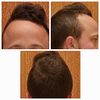
The conversation discusses hair regrowth progress using oral finasteride, topical minoxidil, and ketoconazole shampoo. Users note positive changes and suggest dutasteride for oily scalp issues.
The user is seeking recommendations for scalp-friendly minoxidil and RU58841 products available in the UK, as previous products caused scalp inflammation. They mention issues with RUDirect and MinoxidilMax products.
The conversation discusses concerns about MVSupplements.com products, specifically the Min+Ru spray and GHK Serum, due to discrepancies in ingredient lists and recent poor feedback. Users also mention a price increase and one user reports no issues with the RU powder.
High-dose oral minoxidil (>5 mg/day) can increase hair density in some men with androgenetic alopecia, but side effects like extra body hair and heart issues are common. Gradual dose increase is advised, but adverse effects may lead to discontinuation or dose adjustments.
Topical dutasteride 0.05% is reported to outperform oral finasteride with minimal side effects, but concerns about study bias exist due to company funding. Some users report mixed results with topical dutasteride, noting issues with skin penetration and systemic absorption.
The conversation is about a user experiencing hair shedding after switching from finasteride to dutasteride and increasing their oral minoxidil dose. The user is advised to continue with the current treatment, consider adding topical minoxidil, and consult a dermatologist for potential underlying issues.
Hair shedding in the shower is normal, with 50-100 strands lost daily, but excessive shedding may indicate issues like low iron. Treatments like gentle hair care, iron supplements, and medications like minoxidil and finasteride can help reduce hair loss.
A 31-year-old individual started taking finasteride 24 days ago to address hair thinning and loss, which has worsened their mood and stress. They have not yet added minoxidil and are experiencing significant shedding, contributing to sleep issues and insecurity about their hairline.
The user started using minoxidil in September 2024 and finasteride in February 2025, along with dermal rolling, rosemary and clove water, and copper peptide serum for hair growth. They experienced positive hair growth results but had issues with a poorly done scalp micropigmentation (SMP) tattoo, which they are in the process of removing with laser treatments.
Microneedling can cause infections if not done carefully; users suggest using alcohol swabs and reducing needle depth to avoid issues. Proper sanitation and gentle pressure are key to preventing bleeding and infection.
A user experienced hair loss and texture changes, tried minoxidil and finasteride, and considered antihistamines like Cetirizine for potential histamine issues. They reported improved alertness but continued shedding.
The user is concerned about hair loss and is unsure whether to trust their dermatologist's prescription of minoxidil, fearing potential hormonal effects. Other users suggest using finasteride to block DHT and recommend a blood test to check for underlying issues, while advising against relying solely on shampoos for hair loss treatment.
The user experienced significant hair thinning despite using finasteride and minoxidil, leading to concerns about whether it's a temporary shed or a more serious issue. They plan to start using RU58841 and are advised to consult a doctor to rule out other causes like autoimmune disorders.
JXL082 is not the same as PP405, leading to a halt in sales and a plan to synthesize the real PP405. There is skepticism about the safety and effectiveness of JXL082 and PP405, with concerns about patent issues and the long-term impact on hair growth.
The conversation discusses the use of 1% ketoconazole shampoo, like Nizoral, for hair loss and scalp issues. Users suggest it may help with early hair loss and scalp conditions but is not as effective as other treatments like minoxidil and finasteride.
Minoxidil and tretinoin can cause scalp dryness and itchiness. Using Nizoral, aloe, a lighter minoxidil formula, or a water-based moisturizer like one with hyaluronic acid may help alleviate these issues.
The user is using 5% Minoxidil and 0.1% topical Finasteride and is considering adding 0.5mg Dutasteride every 5 days to stabilize hair regrowth. Consistency with treatment is advised, and there is no strong evidence linking Finasteride or Dutasteride to fertility issues.
Oral minoxidil is gaining popularity due to increased awareness and convenience, despite potential side effects like cardiac issues and unwanted hair growth. Users report mixed results, with some seeing significant regrowth and others experiencing side effects or minimal improvement.
The user started on Finasteride, switched to Dutasteride, and is considering microneedling but was advised against it by their hair surgeon due to potential scalp issues affecting a planned hair transplant. Other users suggest alternatives like Minoxidil, PRP, and avoiding microneedling due to the risk of scar tissue impacting transplant results.
The user experienced initial shedding but saw regrowth after seven months using oral minoxidil (1.75mg) and a dandruff shampoo. They plan to try Spironolactone and possibly metformin for PCOS-related hair issues.
Concerns about the long-term effects of dutasteride and finasteride on fertility, with discussions on cycling these medications to mitigate risks. The conversation highlights skepticism about study methodologies and the importance of weighing treatment risks against potential fertility issues.
Using essential oil roller bottles makes applying minoxidil easier and more convenient. Oral minoxidil has potential side effects, including heart issues, while topical application is considered safer.
A 30-year-old man is considering quitting Finasteride due to sexual side effects, including reduced libido and difficulty reaching orgasm, despite its effectiveness in treating hair loss. He is exploring other factors like relationship issues and potential low testosterone, and is considering getting blood work done.
The user has been using topical finasteride, Latanoprost, and other treatments for hair loss but hasn't seen progress and is considering increasing the finasteride dosage or switching to dutasteride. They cannot use minoxidil due to heart issues and are seeking advice on other options.
Nandrolone is discussed as a potential treatment for hair regrowth, with some users noting its effectiveness but also its risks, such as organ damage and cardiovascular issues. It is suggested not to be used with finasteride, and some users are experimenting with alternative hormone therapies for hair thickening.
The applicator for a homemade hair loss solution containing Minoxidil, RU58841, Azelaic acid, and caffeine is difficult to use, with users experiencing issues with dispensing the liquid. Some suggest pressing harder or using a different method, like a dropper, for better application.
The user is happy with their 2-month progress using a 3-in-1 oral tablet containing finasteride, minoxidil, and biotin, with minor side effects like slightly lower libido. They report no significant issues like breakouts and note that oral treatments are more effective than topical ones.
The user has been taking 1mg finasteride daily for a year with no improvement in hair loss and reports low cortisol levels, sleep issues, and anxiety changes. The conversation includes discussions on the potential effects of finasteride on cortisol and neurosteroids, with suggestions to consult a doctor and consider other factors.
The user has been using finasteride and minoxidil for 11 months but is experiencing increased hair loss and no signs of improvement. Another user shares a similar experience and mentions iron deficiency and thyroid issues affecting hair loss despite using the treatments.
The user had a hair transplant with Estenove, rating the overall experience 6/10 due to logistical issues, unmet expectations, and dissatisfaction with the results. They advise against pricier packages and express regret over the asymmetrical hairline, despite good customer service and post-op care.