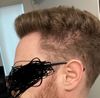
The user experienced thicker hair with finasteride and new hair growth with minoxidil and 2% ketoconazole shampoo. They reported no side effects from finasteride.
Creatine is believed by some to cause hair loss, potentially by increasing DHT levels, despite conflicting evidence. Users report mixed results when combining creatine with treatments like finasteride, dutasteride, and minoxidil.
The user is considering switching from finasteride and minoxidil to dutasteride for better hair regrowth results, as they are experiencing thinning and shedding despite current treatments. They have also tried microneedling, Clobetasol, and salicylic acid to manage scalp issues and inflammation.
A 26-year-old African American male is experiencing hairline recession and thinning despite using 0.5mg finasteride daily and topical minoxidil. He is considering increasing finasteride dosage, returning to twice-daily minoxidil, or switching to dutasteride for better results.
A 38-year-old male experienced rapid hair loss progression and tried topical Minoxidil for 15 months without success, then switched to a combination spray with Minoxidil, Finasteride, and Tretinoin for two months, still seeing no improvement. Users suggest patience, as Finasteride can take six months to a year to show results, and recommend considering oral treatments if health permits, while also advising against washing off treatments too soon.
Dutasteride 1.5 mg stopped shedding and reduced scalp inflammation in one month, unlike finasteride. The user also uses minoxidil but saw no results until adding dutasteride.
The user experienced side effects from oral finasteride and tried mixing it with liquid minoxidil but faced application issues. They are seeking a 5% minoxidil foam with a maximum of 0.15% topical finasteride concentration.
A 23-year-old male is experiencing large dandruff flakes causing hair loss, despite using anti-dandruff shampoo. He seeks advice on resolving the issue, noting a family history of baldness.
A 19-year-old transgender individual is experiencing worsening temple recession despite taking female hormones and 1.25mg finasteride. They are seeking advice on additional treatments to address hair loss.
The user experienced hair growth in the temples after using 5% topical minoxidil twice daily, oral finasteride 1mg daily, and Nizoral shampoo weekly. They reported no side effects and managed dandruff with a scalp scrubber and Nizoral.
A 25-year-old male has been using Minoxidil foam for 3 years and topical Finasteride for 2 years to address hair loss, with plans to increase Finasteride concentration. He is considering additional treatments like microneedling and RU58841, while seeking advice on whether to switch back to oral Finasteride despite concerns about side effects.
A 23-year-old experiencing severe diffuse thinning after scalp inflammation is considering finasteride as a last resort after stopping minoxidil and using anti-inflammatory medication. Users suggest that inflammation causes temporary shedding and recommend consulting a dermatologist, with some advocating for finasteride as a reliable treatment option.
A 23-year-old stopped using finasteride due to sexual side effects after three years. The discussion covers experiences with finasteride, dutasteride, and other treatments, noting varied side effects and effectiveness.
The conversation discusses the effectiveness of Vichy's Dercos shampoo, which contains aminexil, niacinamide, AHA, and Vitamin E, for hair issues. One user mentions success with Vichy's serum containing 1.5% aminexil in reducing hair shedding.
Quitting RU58841 after over two years reduced scalp itching and inflammation, despite concerns about losing hair gains. The user continues using finasteride and oral minoxidil.
The user is experiencing hair loss with possible causes including chronic telogen effluvium, diffuse alopecia areata, and androgenic alopecia. They have tried treatments like Nizoral shampoo, minoxidil, and finasteride, and are considering a biopsy for further clarity.
A 28-year-old male is experiencing excessive hair shedding despite using oral and topical minoxidil, and occasionally using ketoconazole shampoo. He is considering trying GHK-Cu serums but cannot use finasteride.
The user shares their hair loss treatment routine, which includes topical minoxidil, botana oil, coconut moisturizer, derma stamping, derma rolling, 3% salicylic acid shampoo, and scalp massage. Suggestions include adding finasteride, switching to 2% ketoconazole shampoo, and using rosemary oil instead of botana oil.
The user has been using finasteride for a year and recently started minoxidil, noticing reduced hair shedding but no significant regrowth. Suggestions include continuing the current regimen, adding micro-needling, and considering a hair transplant for more noticeable results.
The user has been taking 1.25mg finasteride daily for 11 months and recently added a generic version due to increased shedding. They also use keto shampoo twice a week, which has reduced seborrheic dermatitis but not the itching or shedding.
Combining tretinoin with minoxidil may improve absorption by exfoliating the scalp, but results vary. Users suggest starting with low frequency to avoid irritation, and some recommend additional treatments like finasteride or microneedling.
A 25-year-old male experienced hair regrowth after switching from topical minoxidil to a combination of topical minoxidil and oral finasteride, along with microneedling and multivitamins. He reported no significant side effects from finasteride, except mild discomfort, and emphasized the effectiveness of oral finasteride over topical solutions.
The user shared their 8-month hair loss treatment progress using Minoxidil 5% with Finasteride, microneedling, and liquid Vitamin D. They advised against junk food, wearing tight caps, and using hair straighteners, emphasizing consistency with a single brand for effective results.
The user used topical finasteride 0.3% and minoxidil 6% nightly for 6 months, then added oral finasteride 1mg daily a month ago, which improved hair density. They also started using Flakes shampoo for scalp irritation, finding it more effective than keto shampoo.
A 23-year-old male experienced initial success with finasteride, topical minoxidil, and ketoconazole for hair loss, but persistent shedding and scalp issues led him to switch to dutasteride without improvement. Users suggest stress management, addressing potential seborrheic dermatitis, and patience with the treatment process.
The conversation discusses hair loss treatments for a woman experiencing androgenetic alopecia and seborrheic dermatitis, with suggestions including low-dose oral minoxidil, dutasteride, and hormone replacement therapy. The user is seeking advice due to intolerance to spironolactone and topical minoxidil, and concerns about low testosterone and DHT levels.
Switching from spironolactone to bicalutamide caused severe hair shedding, despite using treatments like dutasteride, minoxidil, and estradiol injections. The user is experiencing androgenetic alopecia and is seeking solutions to stop the hair loss.
A 34-year-old male is experiencing hair loss on the sides of his head, with inflammation and itchiness, while the top remains thick. He is using topical dutasteride and keto shampoo to address the issue.
A 23-year-old shared their positive 4-month progress using 1mg oral finasteride and topical minoxidil for hair loss, noting increased hair health and confidence despite initial shedding. Other users shared similar experiences and results, with some using Kirkland Costco minoxidil.
The user has been taking Finasteride daily for 11 months and is experiencing increased hair thinning and shedding, with no signs of regrowth. They are concerned about the effectiveness of Finasteride and have also been using microneedling as a treatment.