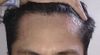
A 19-year-old with NW2-2.5 hair loss is starting finasteride soon, considering low dosages of 0.25mg daily or 0.5mg 3-5 times a week. They are also using derma stamping, ketoconazole shampoo, ACV washes, and various oils to maintain hair quality and reduce scalp itch.
Minoxidil is typically applied once daily, with some users opting for foam to minimize irritation. Users often combine it with finasteride or use oral minoxidil for improved results, while managing scalp irritation with ketoconazole or salicylic acid shampoos.
The user is using a regimen including topical finasteride, ketoconazole, melatonin, keto shampoo, pyrilutamide, microneedling, and tretinoin for hair loss, and is considering switching to oral finasteride for convenience and potentially better results. Some users suggest switching to oral finasteride and checking for health issues like nutrient absorption, while others note maintenance or slight improvement in hair thickness.
The user plans to mix Kirkland minoxidil with spironolactone tablets for hair loss. They cannot use finasteride, saw palmetto, or spearmint tea due to side effects like insomnia and low testosterone.
The user has severe diffuse thinning on the scalp and is using finasteride, topical minoxidil, dermarolling, tretinoin, and Nizoral without satisfactory results. They are considering a hair transplant but are concerned about the cost and the number of grafts needed.
The conversation is about hair loss treatments, with users recommending finasteride and minoxidil as effective solutions. Some users report side effects, but overall, the consensus is to use these treatments rather than waiting for a cure.
The conversation discusses various hair loss treatments, with a focus on pyrilutamide, minoxidil, and alternatives to finasteride due to intolerance. Users suggest adding a DHT blocker like finasteride or dutasteride, and some recommend trying topical versions to reduce side effects.
The user is using dutasteride, oral minoxidil, and topical minoxidil with tretinoin for hair loss. They are considering whether to continue this treatment or opt for a hair transplant for their temples.
Clascoterone 5% solution (Breezula) is a promising alternative for androgenetic alopecia, showing continued hair growth with consistent use and no significant side effects. It may be suitable for those who cannot tolerate finasteride or dutasteride, especially when trying to conceive.
Topical roflumilast is effective for reducing inflammation in various scalp conditions like seborrheic dermatitis, psoriasis, and eczema, but not proven to stop scarring alopecia. Alternatives like apremilast and Vtama are also discussed for their anti-inflammatory benefits.
The user reported high estradiol levels after one month of using finasteride for hair loss. They discussed potential side effects and adjustments to their treatment plan.
A user is experiencing significant hair loss and scalp issues despite using Minoxidil, finasteride, and RU58841 since 2017. They switched to oral Minoxidil and are now on isotretinoin and topical corticosteroids for seborrheic dermatitis but continue to lose hair and seek advice on whether inflammation or treatment changes are the cause.
The user reports noticeable hair regrowth after using 2.5mg oral minoxidil daily and 2% ketoconazole shampoo every other day for three months. The dermatologist advised against finasteride due to the user's age but mentioned it might be needed later.
The conversation discusses a hair loss treatment regimen using Alfatradiol, Pyrilutamide, and Minoxidil. The user shares their current stack of these treatments.
The conversation is about someone who has been using finasteride and minoxidil for over three years without satisfactory results for hair thinning. They have started using dutasteride and added RU58841 seven months ago but have not seen improvements yet.
The daily regimen includes oral finasteride, topical minoxidil, and witch hazel toner to reduce itchiness. Witch hazel is noted for its hydrating properties and affordability.
The user has been using 1mg finasteride, 5% minoxidil, Nizoral, and a derma stamp weekly for two months to treat hair loss. They are experiencing good results, with some skin flaking from microneedling.
The user is considering using topical finasteride for hairline recession and thinning, despite having low DHT levels and previous side effects from oral finasteride. They are also taking 2.5 mg of oral minoxidil, which has not resulted in regrowth or stabilization.
A 16-year-old started using ketoconazole 2% and redensyl for hair loss, as minoxidil and finasteride are not recommended until age 18. They are seeking feedback on whether the treatment is effective or maintaining their hair.
A user discusses a topical treatment combining Minoxidil, Betamethasone Valerate, Canrenone, Finasteride, and Dutasteride for hair loss. The treatment is RX-only and provided by a dermatologist.
A 21-year-old user has been using finasteride 1mg daily since March 11 and ketoconazole 1% 2-3 times a week since April 22, with no significant side effects. They are questioning if they are seeing early hair regrowth after 2.5 months of treatment.
The user experienced some hair regrowth using twice daily topical 5% minoxidil and once daily oral 1mg finasteride, along with dermarolling. They plan to continue this regimen for at least two years and may try additional treatments if needed.
Clascoterone is a topical treatment for androgenetic alopecia, showing modest to moderate hair regrowth, and may be available by 2027-2028. It is considered safer than finasteride, with discussions on its effectiveness compared to RU58841 and pyrilutamide.
The user experienced side effects from a hair loss treatment and is considering using pyrilutamide, alfatradiol, and possibly minoxidil. They are unsure about starting minoxidil immediately or waiting to see the effects of the other treatments.
User asked dermatologist for finasteride, received latanoprost and diprogenta cream instead. Others suggest latanoprost is expensive and not better than minoxidil, recommend trying another doctor for finasteride.
The user experienced side effects from finasteride and is considering adding Alfatradiol or Fluridil to their regimen, which includes Minoxidil, dermarolling, and ketoconazole. Fluridil is noted to be more effective than Alfatradiol but less effective than finasteride, with mild side effects reported.
The user has been using dutasteride, oral minoxidil, and vitamin D for 8 months with no improvement in hair loss. They are considering trying RU58841 or a hair transplant due to the ineffectiveness of current treatments.
The user is using topical minoxidil and finasteride with good results and is considering adding stemoxydine 5% to their regimen. Another user suggests trying it if financially feasible, as results can vary.