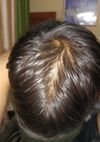
The user mixes their own RU58841 solution and found that increasing the ethanol content improved absorption and reduced scalp itching. A study on minoxidil showed that penetration increased with higher ethanol concentrations, reaching maximum penetration at 90% ethanol.
Tips for using a scalp applicator for Minoxidil, including using smaller doses for even coverage, twisting the applicator for better distribution, adjusting pressure to control flow, and cleaning regularly. Users also discuss alternative methods like pipettes, q-tips, and spray bottles for applying Minoxidil, especially for those with longer or thicker hair.
A 20-year-old diffuse thinner has been using finasteride for 8 months and is considering adding minoxidil to their routine. A user suggests incorporating minoxidil for quicker regrowth, despite the hassle of daily application, while continuing finasteride.
The user reported significant hair recovery using topical minoxidil combined with the Age-R Booster-H-device, alongside oral finasteride and weekly dermaroller use. The device improved minoxidil absorption, leading to visible new hair growth.
User shares 8-month hair growth progress using 2.5mg oral minoxidil and 2ml topical minoxidil/finasteride mix. Others comment on noticeable improvement and discuss user's journey and treatment details.
The user is using 2.5mg oral Minoxidil, rosemary mint oil, scalp massaging, a derma roller, multivitamins, and hair vitamins for hair regrowth. They are considering adding pumpkin seed oil, a derma pen, and saw palmetto vitamins, and are advised to consider finasteride.
The conversation discusses different methods of applying Minoxidil to the scalp to avoid making hair greasy and clumpy. Suggestions include using Rogaine Foam, keeping hair short, applying with a comb and fingers, using a spray, and a technique involving a brush and dropper.
A user is considering taking oral minoxidil 3mg every other day or thrice a week to minimize side effects and save money. They seek opinions on this dosing strategy.
The user experienced significant hair regrowth using 1mg finasteride every other day and 1ml topical minoxidil daily, with initial shedding but improvement by three months. Microneedling was also used, with adjustments to frequency and needle length for better results.
Minoxidil sulfate is more effective than regular minoxidil, especially for those with low sulfotransferase levels or scalp sensitivity, but it is unstable unless delivered in a liposomal format. Combining minoxidil with tretinoin can enhance effectiveness, and stopping minoxidil use can lead to rapid hair loss.
A 23-year-old male shared his 5.5-month progress using 5% topical minoxidil foam for hair regrowth, considering adding finasteride despite concerns about side effects. Users advised starting finasteride to maintain gains, with some suggesting topical options to minimize side effects.
A 23-year-old with Norwood 4 hair loss is using minoxidil, finasteride, oral minoxidil, a multivitamin, and derma rolling, seeking advice on whether to increase minoxidil usage despite cost concerns. A dermatologist recommended the regimen, and the user added derma rolling and tretinoin.
The conversation is about a user's hair regrowth after 2.5 months using topical minoxidil. Some suggest adding finasteride for long-term results, while others share their experiences with side effects or alternative treatments like dermarolling and dietary improvements.
Making a 1 year update on hair loss treatment of Finasteride, 5 mg oral minoxidil and topical minoxidil with 1.5 mm dermarolling; the user experienced some face pimples, baggy eyes, and had tried skin care. They also used fiber with their hair product and left it for a few days to make it look visually better. Replies were positive and one asked if using both oral and topical minoxidil was overkill.
A 19-year-old is experiencing hair regrowth using 0.5mg dutasteride, topical minoxidil at night, topical redensyl in the morning, and weekly dermarolling. They have been on the treatment for a month and plan to share monthly updates over the next two years.
The user has been taking 2.5 mg of oral minoxidil daily since mid-January and has used finasteride for about five years, noting a decrease in its effectiveness. They are questioning whether their hair appears thicker due to minoxidil or if it's just longer.
The user is using 0.5mg dutasteride daily and 3mg oral minoxidil daily for hair loss, but hasn't seen improvements after five months. They report miniaturization and thinning, especially at the hairline and crown, and are advised to wait at least a year for better results.
The conversation discusses hair loss treatments, specifically the use of 5% topical minoxidil, with considerations for adding finasteride or dutasteride. Concerns about side effects, such as unwanted body hair growth from oral minoxidil, are also mentioned.
The user experienced hairline improvement using topical 5% Minoxidil in the first month and 8% Minoxidil with 0.3% topical finasteride in the second month, along with batana oil, Vitamin D, and biotin. The user takes two doses daily and reports a thicker, stronger hairline.
The user is experiencing hair shedding after using minoxidil and is considering switching to dutasteride while planning to increase their oral minoxidil dose. They also use nicotine pouches, Vyvanse, and GHK-Cu, and have noticed thicker eyebrows and lashes from oral minoxidil.
Applying Minoxidil takes users between 10 seconds to 20 minutes, with most finding quicker methods more efficient. Techniques vary from using foam, liquid, or spray, with some users recommending buzz cuts for easier application.
The user is considering switching between topical minoxidil (10%) and oral minoxidil (2.5mg) to manage hair shedding around the temples, while also using a dermaroller and biotin. They are concerned about the potential side effects of oral minoxidil, such as hypertrichosis, and the impact on hair shedding if they stop using it.
User asks if washing hair or using hair fibers after minoxidil dries is okay and if dry scalp means full absorption. Some doctors and sources say 50-75% absorption occurs after an hour.
Oral minoxidil is causing significant blood pressure fluctuations and increased heart rate, leading the user to consider switching to topical minoxidil and tretinoin. The user plans to consult a cardiologist and is likely to stop using oral minoxidil.
The user shared their 3.5-month progress using 1mg finasteride, topical minoxidil, and 0.5mg dutasteride, along with biotin, vitamin D, saw palmetto, and multivitamins. They reported improvements in hair regrowth with some dryness from minoxidil and use micro-needling weekly.
A 41-year-old man shared his 3-month hair regrowth progress using 5% minoxidil and weekly microneedling. He applies minoxidil nightly and uses a topical mix of coffee, olive oil, rosemary oil, and vitamin oil after morning microneedling.
A user's success in treating their hair loss with 2x daily topical dutasteride and minoxidil, as well as the potential for using less frequent application of topical dutasteride due to its long half-life.
A user shared their 2-month progress using oral and topical minoxidil, oral finasteride, topical rosemary oil, keto shampoo, a derma pen, and scalp massages for hair loss. They reported significant improvement and plan to continue with updates.
A 22-year-old man shared his 4-month progress using minoxidil 5% twice daily for hair loss, showing thicker hair without using finasteride. Others commented on his good results and discussed their own experiences with hair loss and treatments.