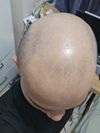
The conversation is about using Xeljanz for hair regrowth in individuals with LPP. The user is seeking experiences and expectations from others who have tried this treatment.
The conversation humorously discusses hair loss treatments, mentioning Minoxidil, finasteride, and RU58841. It jokingly credits a person for the potential success of a treatment called GT20029.
Hopeful treatments for hair loss, including Verteporfin, Androgen Receptor Degradation, and SCUBE3. These treatments offer potential solutions to slow or stop the effects of androgens on the scalp.
The conversation discusses the potential effects of soy isoflavones on hair loss, suggesting soy might counteract DHT due to its estrogenic properties. It also touches on the legitimacy of sources and anecdotal stories about soy consumption.
The conversation is about enhancing dermarolling for hair loss by using topical peptides like tb-500 or GHK-Cu to aid in healing and hair growth, and whether anyone has experienced significant results from this method.
A user struggled with hair loss and ineffective vitamin treatments from their doctor. They eventually obtained a finasteride prescription through a telemedicine service and felt relieved.
Hair cell therapy and follicle cloning are still in experimental stages, with treatments like hair multiplication and regenerative hair therapy being marketed but not yet proven to create unlimited new follicles. There is skepticism about the effectiveness and legitimacy of these treatments, with some considering them scams.
The user is using topical finasteride, Bioscalin, Omega 3, and hair filler therapy for hair loss. There is some progress noted, but varying photo angles and lighting make it hard to assess fully.
Oral supplementation of Nicotinamide Mononucleotide (NMN) improves hair quality and appearance in middle-aged women. However, it may reduce total hair density, possibly due to seasonal shedding.
A 27-year-old male has been using 1mg finasteride and 2.5mg oral minoxidil daily for androgenetic alopecia, seeing good results in 3 months but experiencing thinning and density loss. He seeks advice on his Norwood scale level and when density might return.
A 24-year-old shares progress on hair regrowth after 3 months using 2.5mg oral minoxidil, 0.5mg dutasteride, and scalp injections of dutasteride, minoxidil, and vitamins every two weeks. They are uncertain if the improvement is due to actual regrowth or just longer hair.
Alfatradiol (0.025%) is an effective and safe treatment for androgenetic alopecia in both men and women, increasing anagen hair rates with minimal side effects. Users discuss its cost-effectiveness and ease of use compared to other treatments like finasteride and RU58841, with some combining it with stemoxydine and Minoxidil.
Clascoterone 5% solution is not yet commercially available, with only the 1% solution currently sold for acne. Users discuss the potential of Clascoterone as a hair loss treatment, comparing it to other anti-androgens like RU58841 and Eucapil.
User tried oral dut 0.5mg, oral min 5mg, topical RU 80mg, and weekly microneedling at 1.5mm for hair loss. Others commented on the significant improvement and potential for future hair transplant.
The user is using a compounded foam with Latanoprost 0.01% and Finasteride 0.1%, averaging 3ml per week, and is considering whether to add oral finasteride despite concerns about side effects. They are also contemplating switching to 1mg oral finasteride and oral minoxidil for simplicity and effectiveness.
The conversation is about finding high-purity RU58841 solutions for hair loss treatment, with mentions of Anagenic, Selleckchem, MV Supplement, and rudirect.co.uk as potential sources. Users discuss their experiences and preferences regarding product quality and shipping.
A 29-year-old considering hair loss treatment received advice to explore a theory on androgenic/anabolic balance and was encouraged to read a beginner's guide for better recovery chances. The user expressed gratitude and willingness to try the suggested approach.
N-Acetyl-Cysteine (NAC) is being explored for treating hair loss, but users report mixed results. Some also mention using Quercetin and Resveratrol without significant hair improvement.
A 27-year-old male has been using 1.25mg finasteride for 5 months and 5% minoxidil twice daily for 2 months, along with biotin and vitamin D supplements, to improve hair growth. He reports some progress and side effects like reduced libido, and is considering switching to oral minoxidil and possibly adding dutasteride after a year.
Improved diet, reduced alcohol consumption, and better water quality led to thicker hair and less shedding. The user also used MSM supplements, vitamin C, multivitamins, biotin shampoo, and growth oil.
The user started a hair loss treatment with a topical solution containing 0.1% Dutasteride, 7.5% Minoxidil, 0.0125% Tretinoin, and Biotin, along with a multivitamin, Ashwagandha, CBD oil, Retinol, and Caffeine Solution. They experienced some shedding and scalp irritation, leading to a reduction in the use of the caffeine solution.
Vitamin D deficiency can hinder hair recovery, and addressing it may help with hair loss. Hair loss may result from various issues like excess DHT, vitamin deficiency, or scalp inflammation.
The safety of combining alfatradiol and fluridil with finasteride as a potential treatment for male pattern baldness, which is approved in the European Union. Other treatments such as minoxidil and RU58841 were also discussed.
Combining minoxidil 5%, tazarotene 0.1% cream, and lumigan for hair loss treatment is discussed. The conversation focuses on the safety and effectiveness of using these treatments together.
An 18-year-old experienced severe side effects, including heart palpitations and high blood pressure, after using RU58841 once, leading to a referral to cardiology for suspected left ventricular hypertrophy. The user regrets using RU58841 and seeks advice on recovery, while others suggest preexisting conditions or genetic predispositions may be factors.