Low Vitamin D can cause hair shedding, and taking 5000 IU of Vitamin D daily reduced shedding significantly. Vitamin D deficiency is common and correcting it can benefit overall health.
A 37-year-old male resolved scalp folliculitis by adopting a low-histamine diet and taking Vitamin A, Zinc, and Fish Oil, leading to better skin health and thicker hair. He warns about the potential toxicity of excessive Vitamin A intake.
The user is experiencing irritation from using PG with RU58841 and is seeking alternative solutions like K&B in the UK. They report redness, itchiness, and flaky skin from the current treatment.
A female user is experiencing hair loss from the root and dead ends, likely due to post-partum effects, ankylosing spondylitis, and low iron. She seeks advice on improving hair health before going fully blonde.
The user experienced severe hair loss, itchy scalp, and skin issues after trying no-shampoo, and wonders if it's male pattern baldness or an immune issue. They have a history of eczema, dermatitis, and jock itch, and have tried various treatments like coconut oil, peppermint, pumpkin seed, and onion.
Excess sebum rich in cholesterol and triglycerides can lead to hair loss through inflammation, with treatments like Ciclopirox shampoo, Benzoyl Peroxide shampoo, and Clindamycin gel recommended for managing conditions like seborrheic dermatitis and folliculitis. Pioglitazone is suggested for Lichen Planopilaris, while Omega-3s and reducing processed foods may improve sebum quality, though genetic factors play a significant role.
A user experienced significant hair regrowth after improving their diet, getting sunlight, taking a multivitamin, and exercising, following a period of extreme calorie restriction and hair shedding. Others in the conversation attribute the hair regrowth to increased calorie intake rather than just vitamins.
The user experienced increased hair shedding after using RU58841 for two months, but found relief from scalp itchiness. Other users shared similar shedding experiences and discussed side effects like joint pain, while also mentioning the use of finasteride and minoxidil.
The user experienced hair thinning from chromium and alpha lipoic acid supplements, which stopped after discontinuing them. Someone mentioned this could be telogen effluvium, a temporary condition.
The experiences of users who have used RU58841 to treat hair loss, including both positive and negative effects. Some side effects reported include chest pain, joint pain in the hands, tinnitus, and increased heartbeat.
The user noticed increased hair thinning and scalp redness on one side of their temple. They are seeking advice on what this could be and how to address it.
User experienced hair loss after weight loss and started using finasteride 1mg and a multivitamin called HAIRGRO. They noticed increased oily skin and sebum production and are unsure if they should continue the multivitamin.
The user is experiencing severe hair loss due to gut malabsorption and is seeking advice on nutrient testing and supplementation. They have low Vitamin D and Ferritin levels and are asking for recommendations on additional nutrients and blood tests to consider.
The conversation discusses hair loss treatments, focusing on vitamin D and B12 deficiencies, and mentions using finasteride. It also suggests getting a biopsy to differentiate between MPB and other conditions.
User noticed beard and sideburn hair loss, and thinning eyebrows, diagnosed with alopecia barbae and male pattern baldness, and prescribed Desonide cream. User seeks feedback on Desonide cream.
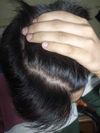
The conversation reassures a woman concerned about thinning hair on her crown, suggesting her hair appears normal and not thinning. Some users recommend prenatal vitamins for hair health, while others attribute the appearance to contrast between dark hair and a pale scalp.
27-year-old female experiences aggressive hair thinning and hirsutism despite normal testosterone levels. Spironolactone and 2% minoxidil were ineffective; high DHEA sulfate levels may be the cause.
The conversation is about disappointment with hair loss progress despite using treatments like finasteride, minoxidil, nizoral, tretinoin, and a dermaroller. Direct sunlight revealed more hair loss than expected, prompting continued treatment and hope for improvement.
A 17-year-old is concerned about hair loss and shares photos for opinions. A user responds that the hair looks normal but is hard to assess from the images.
Hair is growing faster after 2 weeks of using topical vitamin D3 in alcohol/oil. The user plans to continue the experiment for 3 months before giving a full review.
The user noticed new baby hairs after using sulforaphane but is still experiencing shedding. They are seeking a supplement to stop shedding, possibly grape seed extract.
A 36-year-old man with androgenetic alopecia suspects copper and zinc deficiencies may be accelerating hair loss and is supplementing copper to address this. He is also monitoring blood sugar levels due to previous prediabetes concerns and plans to test for insulin resistance.
Minoxidil can cause dark circles and skin issues, and users suggest reducing dosage or switching to foam. Supplements like vitamin C, glycine, and MSM may help with collagen production to reduce these side effects.
Addressing hair loss by checking vitamin D and iron levels is crucial before adding more treatments. Supplementing these deficiencies can significantly reduce shedding.
A user shared their experience with high cholesterol, glucose, and potential metabolic syndrome after using Finasteride and Dutasteride for hair loss. They plan to improve their health with diet and exercise before considering medication.
The conversation is about severe Vitamin D deficiency and its potential link to hair loss. The user is already using oral finasteride, topical finasteride, and topical minoxidil for aggressive hair loss.
A user is experiencing hair regrowth after treating vitamin D, B12, and B9 deficiencies, noticing some improvement after 9 months. They are unsure if further improvement will occur or if they have reached the end of progress, with a possibility of androgenetic alopecia (AGA) being suggested.
A 28-year-old male is experiencing hair loss, itching, soreness, and numbness on the scalp, with symptoms including dry, brittle hair and scalp irritation. Treatments tried include Nizoral, salt water, various oils, and antihistamines, with limited success; a chemist suggested a possible fungal infection, while a doctor suspected male pattern baldness.
Switching milk brands cleared scalp inflammation and other symptoms, but hair shedding continues. The user hopes shedding will stop as hair cycles progress.