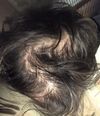
The conversation is about making oral minoxidil pills for personal use, including inquiries about ingredients and binders. The user mentions taking 2.5mg of oral minoxidil daily.
The conversation discusses using a multimodal approach to treat androgenic alopecia, including substances like gamma-linolenic acid, DHA, sulforaphane, melatonin, cetirizine, astaxanthin, fisetin, apigenin, curcumin, limonene, genistein, and berberine. Users also mention using ketoconazole, minoxidil, and low-level laser therapy (LLLT) as part of their hair loss treatment regimens.
A user shared their hair regrowth journey from Norwood 7 at age 22 using oral minoxidil 10mg, dutasteride 0.5mg, and RU58841 70mg, along with a recent hair transplant. They experienced significant progress and discussed potential side effects, particularly with oral minoxidil, and plan to update on further growth.
The user is exploring KX-826 as a potential hair loss treatment due to intolerance to FDA-approved drugs like Minoxidil and finasteride. They seek fundamental help and information about KX-826.
A user shared their successful hair regrowth journey using 0.5 mg Dutasteride, 2.5 mg oral Minoxidil, and Biotin gummies, after switching from Finasteride due to insomnia. They highlighted the importance of brushing the scalp for blood flow and reported significant progress in four months without side effects.
A 47-year-old with significant hair loss tried Happy Head, micro needling, Pura D’Or Shampoo, and various vitamins for three months. The user shared progress pictures showing improvement.
The user received 1600 hair grafts but is dissatisfied and plans a second transplant for better coverage. They use minoxidil and finasteride and are considering adding dutasteride.
A user shared their 1-year hair regrowth progress using 1mg oral Finasteride, 5mg oral Minoxidil, 6% Minoxidil spray, Ketoconazole shampoo, and Hawthorne thickening shampoo and conditioner. They experienced thicker body hair as a side effect but no other issues.
Gizzela is unsure about the dosage and frequency of copper peptides and asks if they can be used with Stemoxydine. They seek advice on applying these treatments together.
The conversation discusses hair regrowth progress using dutasteride 0.5 mg and oral minoxidil 2.5 mg over seven months. Users debate the effectiveness, with some noting slight improvements and others suggesting alternative treatments like finasteride.
OP reported significant hair regrowth using oral minoxidil 5mg, dutasteride 0.5mg, and dermastamping. Users discussed side effects, effectiveness of treatments, and debated dermastamp needle sizes.
Follicopeptide (FOL005) by Coegin Pharma will launch as a cosmetic hair growth treatment by Q2 2025, showing similar efficacy to finasteride. Users discuss the benefits and skepticism of releasing hair loss treatments as cosmetics rather than drugs.
A user is treating hair loss with Dutasteride, Minoxidil, RU58841, Derminator 2, Vitamin D, Biotin, and Zinc. After 6 months, there's no significant visual improvement, but the user feels less insecure about Retrograde Alopecia.
The conversation discusses the effectiveness of AMSbzs supplements in significantly increasing hair count, weight, and keratin content. The user questions why this treatment isn't more widely known despite its impressive results.
The conversation discusses using GHK-Cu, C60, and saw palmetto oil as treatments for hair loss. Specific treatments mentioned include Minoxidil (Min), Finasteride (Fin), and RU58841 (RU).
The user is using topical minoxidil and finasteride with good results and is considering adding stemoxydine 5% to their regimen. Another user suggests trying it if financially feasible, as results can vary.
A 21-year-old experienced significant hair loss after steroid use and stopping minoxidil. He plans to regrow his hair using a regimen of dermarolling, Lipogaine, finasteride, and vitamins.
A user increased their dutasteride dose to 2.5 mg and oral minoxidil to 5 mg after losing hair regrowth, and also started using 2% ketoconazole and microneedling. Another user suggested these changes are meaningful and recommended splitting doses throughout the day for better absorption.
A 19-year-old plans to use an experimental hair loss treatment stack including micro-needling, Minoxidil, Pyrilutamide, Ketoconazole shampoo, and other unreleased compounds like PP405. Users advise against using unverified treatments and suggest sticking to proven options like Finasteride, with some recommending topical application to avoid side effects.
User reports thicker, darker, and healthier hair after 3 months of using Hims chewable tablets containing 3mg minoxidil and 1.1mg finasteride. No significant regrowth in receding areas; previous use of rosemary oils and biotin pills showed no results.
The post and conversation are about a user's 10-month update on natural hair loss treatment, with mixed feedback on its effectiveness. Some suggest using finasteride and minoxidil for better results.
The post and conversation discuss KX-826 (pyrilutamide) for hair loss treatment, with positive remarks about its advertising and authenticity in China. The user changed their perspective after further research and seeing genuine advertising.
User tries dermapen for hair loss and plans to use non-mainstream topicals like c60, ghk-cu, and ptd-dbm with valproic acid. They also use a head massager and modified LLLT belt for additional treatment.
Bryan Johnson uses a custom hair loss treatment that includes topical finasteride, minoxidil, azelaic acid, diclofenac, tea tree oil, rosemary oil, ginkgo biloba, biotin, and melatonin, which have shown varying degrees of effectiveness with minimal side effects. He also undergoes PRP and laser therapy, and has tried dutasteride mesotherapy.
A user experienced significant hair regrowth after 6 months using 1mg Finasteride and Oral Minoxidil, along with pumpkin seed oil, biotin, and collagen supplements, and is considering starting PRP. Another user has not seen results despite using a combination of treatments including finasteride, minoxidil, RU58841, pyrithione zinc, topical dutasteride, ketoconazole, and microneedling.
The user experienced significant hair regrowth after switching to oral finasteride and minoxidil in February 2025. They plan to stop using topical minoxidil gradually and have not experienced significant side effects from the treatment.
The conversation humorously discusses hair loss treatments, specifically finasteride, minoxidil, and dutasteride, and their prevalence in Japan. It highlights the common use of these treatments among Japanese salarymen and the ease of obtaining them online or through clinics.
The user is using a hair recovery treatment with 0.5 mg dutasteride, 5 mg biotin, 5% topical minoxidil, and dermarolling twice a week. They are considering using a 1.5 mm dermaroller and red light therapy.