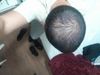
The user is treating hair loss with dermarolling, a laser helmet, scalp massages, and Nizoral. They stopped using minoxidil and finasteride and are considering pumpkin seed oil and sulforaphane.
The user is frustrated about not hearing any updates on the HMI-115 trial for hair loss. They are questioning if there will be any updates in the future.
A 28-year-old male shares progress using 5mg Minoxidil and 0.5mg Dutasteride for hair growth, encouraging the use of these treatments. Users discuss side effects like increased facial hair and debate the effectiveness of treatments within three months.
A 28-year-old male shared his 2.5-month progress using 1 mg finasteride every other day, minoxidil daily, and occasionally castor oil and dermarolling. He also stopped using hair products daily.
A user shared their 88-day progress using 1.25mg finasteride, topical minoxidil, and weekly 1mm microneedling, noting improvement from NW 4.5 to around NW 3. Another user complimented the progress.
The conversation discusses managing seborrheic dermatitis (sebderm) and male pattern baldness (MPB) with treatments like finasteride, coal tar shampoo, Nizoral, and oral minoxidil. Users suggest dietary changes, regular shampooing, and using antifungal products to control sebderm before considering minoxidil.
The user is using Dutasteride and Minoxidil for hair loss and is considering a shorter buzz cut to manage the appearance of thinning at the crown. They are unsure if a #1 buzz cut would look better than a #3 while waiting for the treatment to take effect.
The user is experiencing continued hair loss despite using finasteride, dutasteride, and minoxidil, and is advised to improve diet, check for deficiencies, and consider other treatments like microneedling. Suggestions include sticking with the current regimen, considering a hair transplant, or accepting hair loss and shaving.
P-1075 is a more potent hair growth agent than Minoxidil, but it poses significant heart risks, making it unsafe for use. Despite promising results in macaques, concerns about its cardiotoxicity in rats have halted its development.
The post is a 1-year update on hair loss progress using topical minoxidil and finasteride treatments. The user has seen good progress, especially in transitioning from a Norwood 3 to a Norwood 2 hair loss pattern.
A 19-year-old trans man has been using Finasteride 1mg for a little over two months and is concerned about worsening hair loss, noting a fuzzy and soft hairline and crown. The user is upset as the hair loss appears worse than before starting the treatment.
A new hair loss treatment theory beyond minoxidil and finasteride is proposed, causing mixed reactions in the community, with some members eager to explore and support it, while others call for more research and evidence.
9 months of progress in hair loss treatment, with the treatments being 1mg finasteride taken daily and 1ml minoxidil twice daily, as well as inconsistent dermarolling.
Hair loss treatments discussed include Minoxidil, Finasteride, and RU58841. HMI-115, a monoclonal antibody drug, is in phase 1 and 2 trials for different conditions, but its availability on the gray market is unlikely due to high production costs.
A 22-year-old is using a hair loss treatment protocol including dutasteride, microneedling, 10% minoxidil, 0.1% finasteride topical, a healthy diet, and a hair multivitamin. Users discuss the effectiveness of microneedling and the intensity of the treatment.
A user is treating hair loss with Dutasteride, Minoxidil, RU58841, Derminator 2, Vitamin D, Biotin, and Zinc. After 6 months, there's no significant visual improvement, but the user feels less insecure about Retrograde Alopecia.
The conversation is about a user obtaining a compounded treatment for hair loss, including 0.1% latanoprost, 0.2% melatonin, and 1% cetirizine. The user also uses 2.5 mg dutasteride, 5 mg minoxidil, and RU58841 daily, and is at Norwood 2.
Users discussed experiences with Everychem's solution similar to PP405 for hair loss, noting some positive results like increased hair thickness and new growth. There was skepticism about the product's legitimacy and safety, with some users reporting early signs of effectiveness and others expressing concerns about the lack of evidence and safety profiles.
The user switched from finasteride to 0.5mg oral dutasteride and added 2.5mg oral minoxidil, along with occasional microneedling, to improve hair regrowth. They reported no side effects and are hopeful for continued progress, especially in the temple area.
A user experimenting with an extreme hair loss treatment stack of Dutasteride, RU58841, 15 mg oral minoxidil, and microneedling, which sparked a debate among other users about the safety of this approach.
The user, on testosterone replacement therapy, found finasteride and minoxidil ineffective for hair loss. They are trying a new topical gel with dutasteride, tretinoin, and a higher concentration of minoxidil, and plan to document the results.
Dutasteride 1.5 mg stopped shedding and reduced scalp inflammation in one month, unlike finasteride. The user also uses minoxidil but saw no results until adding dutasteride.
A 21-year-old male shares progress on hair regrowth using dutasteride, minoxidil, and ketoconazole for one year, noting significant regrowth despite initial shedding. Users discuss their experiences with shedding and inquire about the form of minoxidil used.
A 20-year-old user experienced worsening hair loss despite using various treatments including topical and oral minoxidil, finasteride, and dutasteride. Other users suggested additional treatments like JAK inhibitors, RU58841, and lifestyle changes, but the user remains skeptical and frustrated.
The conversation is about someone's 13-month hair regrowth progress using 0.5 mg Dutasteride daily, 5% Minoxidil twice daily, Biotin tablets, and Sebizole shampoo. They are happy with the results.