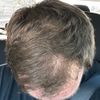
OP has been using alfatradiol and a mix of rosemary, peppermint, and jojoba oils for hair loss, with inconsistent dermapen sessions. They plan to add topical finasteride at 0.025% later.
The user started using topical minoxidil, oral finasteride, GHK-CU, and HGH in October, resulting in thicker hair and improved overall health. They experienced minor side effects like dehydration from HGH but reported benefits like clearer skin, better recovery, and muscle gain.
The user stopped using Alfatradiol after 4 months due to no hair improvement and side effects like dry scalp and gallbladder pain. They are considering trying topilutamide, which is suggested as an alternative.
Finasteride can cause pelvic or urethral discomfort for some users. Reducing the dose to 0.25 mg on Mondays, Wednesdays, and Fridays is being considered as a potential solution.
Hair loss treatment involves gland treatment with iodine, liver extract, wild American ginseng, and black cohosh, along with crude oil scalp massage. The approach aims to stimulate hormones and improve blood circulation to promote hair growth.
MSM supplements are discussed for hair growth, with mixed opinions on their effectiveness. Some users combine MSM with treatments like finasteride and minoxidil, while others report no noticeable benefits.
Methylsulfonylmethane (MSM) is not a treatment for male pattern baldness but can accelerate hair growth and thicken miniaturized hairs, with the side effect of increased hair growth all over the body. The user asks others to share their experiences with MSM.
The user switched from finasteride to dutasteride in January and noticed increased crown thinning, despite using minoxidil with rosemary, biotin, and castor oil. They are concerned about hair loss and considering visiting a clinic for further advice.
The conversation is about whether stemoxydine can shorten the dormant phase after a hair transplant, known as the ugly duckling phase. There is skepticism about whether it actually works as claimed.
The user experienced hair loss after chikungunya and started PRF (platelet-rich fibrin) injections with injectable Dutasteride, noticing new hair growth. They are hopeful for continued improvement.
The user experienced a slight decrease in hair shedding and scalp itch, and reduced sebum production using Pyrilutamide, but stopped due to chest pain, breathing difficulties, and heart issues. They felt normal a week after discontinuing and doubted FDA approval for the drug.
Switching from topical to oral minoxidil resolved issues like watery eyes and ear itchiness. Users report oral minoxidil is better for sensitive skin, though some are concerned about side effects like hair growth everywhere.
Minoxidil may cause increased prolactin levels, leading to side effects like puffy nipples and chest tenderness. Users experienced these issues and considered stopping minoxidil while continuing or switching to other treatments like finasteride, microneedling, and supplements.
A 31-year-old male experienced side effects from various hair loss treatments, including finasteride and dutasteride, and is considering mesotherapy with dutasteride as a last resort. Another user tried mesotherapy for four months without significant change but experienced no side effects.
Oral minoxidil can cause side effects like shortness of breath and constipation, which may be reduced by taking it in the morning. Some users experience no side effects, while others switch to topical treatments or adjust their dosage and timing to manage symptoms.
The user experienced hair thinning, possibly due to long COVID and prediabetes, and saw regrowth after dietary changes and using biotin shampoo. They are taking vitamins and noticed significant hair regrowth, especially at the widow's peak.
Dutasteride is associated with increased blood glucose, HbA1c, LDL cholesterol, and liver enzyme activity, potentially leading to diabetes, NAFLD, and liver metabolism changes. The conversation highlights concerns about these adverse effects and calls for more studies, including on finasteride.
The user is considering using dutasteride or finasteride for hair loss and has recurrent folliculitis. Another user suggests treating the folliculitis and notes diffuse thinning.
After 10 months on a high dose of Dutasteride, there were no noticeable benefits or side effects, leading to the conclusion that increasing the dose is overrated. Combining 0.5mg Dutasteride with RU58841 or Minoxidil is recommended for better results.
A user experienced puffy nipples and lumps from finasteride, leading to a dilemma between continuing treatment with potential surgery or accepting hair loss. They restarted finasteride at a lower dose with supplements but still face side effects and are seeking advice on whether to persist or stop.