DHT sensitivity at the scalp increases with age, contributing to androgenic alopecia. Treatments like Minoxidil, finasteride, and RU58841 are discussed for managing hair loss.
A 17-year-old is concerned about hair thinning and unable to see a dermatologist for a year. They are advised to consider using topical minoxidil and possibly finasteride in the future.
A user is upset about hair loss due to seborrheic dermatitis and DUPA, which prevents a hair transplant. They mention using jojoba oil and discuss treatments like Minoxidil, finasteride, and RU58841.
The conversation discusses using topical cetirizine as a treatment for androgenetic alopecia (hair loss). Specific treatments mentioned include Minoxidil, finasteride, and RU58841.
A potential treatment for alopecia involving a protein that calms hair follicles has shown promise in rats, but skepticism remains about its applicability to humans. Many users express doubt about the timeline for effective hair loss treatments, comparing it to past unfulfilled promises.
The conversation is about a 17-year-old experiencing severe hair thinning and the advice given is to see a dermatologist or doctor to check for underlying health issues or to start treatment early if it's male pattern baldness.
Topical Vitamin D3 may stimulate hair growth and has been used for AlopeciaAreata. There is a question about the lack of research on its use for Androgenetic Alopecia (AGA).
A 22-year-old is using finasteride, minoxidil, and biotin to regrow hair after shaving it off due to a bad haircut. They are open to staying bald if the treatment doesn't work and are not considering a hair transplant due to cost.
A user is treating hair loss with Dutasteride, Minoxidil, RU58841, Derminator 2, Vitamin D, Biotin, and Zinc. After 6 months, there's no significant visual improvement, but the user feels less insecure about Retrograde Alopecia.
Hair loss treatments like finasteride, dutasteride, minoxidil, and RU58841. Users discuss "DHT itch" at receding hairlines and suggest using dutasteride or ketoconazole shampoo for relief.
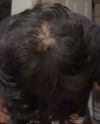
A 16-year-old noticed hair thinning on the crown and sides of the head, with minimal temple thinning. After using Minoxidil for 6 months, some areas improved, but the crown worsened, and they seek advice on the irregular hair loss and treatment options.
The user is experiencing hair thinning on the sides and back of the head while the top remains thick. A reply suggests it might be retrograde alopecia.
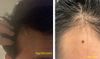
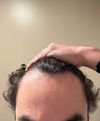
A 28-year-old male is experiencing hairline recession despite his family having full heads of hair. Suggested treatments include finasteride, minoxidil, and ketoconazole 2% shampoo.
The user experienced severe scalp itching and hair loss while on dutasteride, which they linked to caffeine and masturbation. They plan to cut out both to see if their hair density improves.
A 20-year-old male with diffuse androgenetic alopecia tried homeopathy for hair regrowth but saw limited results due to inconsistency and is considering switching to minoxidil and finasteride. Despite some baby hair growth, hair fall hasn't stopped, and he believes more time and consistency might be needed.
A 17-year-old experiencing hair loss is using Minoxidil but is hesitant about Finasteride due to potential side effects. Others recommend Finasteride for its effectiveness and suggest alternatives like vitamins and derma rollers.
Hair loss treatments like finasteride, minoxidil, and RU58841 are becoming more known, but many remain unaware of their effectiveness. There is hope for future advancements despite skepticism and misconceptions about current treatments.
A 20-year-old experiencing hair loss since age 16 is using finasteride and minoxidil and is considering future hair transplants. Discussions include the potential for multiple transplants, the use of body hair for coverage, and the importance of treatments like dutasteride and scalp micropigmentation for maintaining hair density.
A 20-year-old is experiencing aggressive hair loss and is using oral finasteride, topical minoxidil, tretinoin, rosemary oil, and dermarolling in an attempt to manage it. They are concerned about their appearance and future hair loss, seeking advice on additional treatments.
Celery juice is discussed as a potential treatment for crown balding, with skepticism from users. The conversation highlights differences between alopeciaareata and male pattern baldness.
A 20-year-old is experiencing hair thinning and is considering Clascoterone and Minoxidil as treatments, avoiding finasteride due to concerns about fertility and hormones. A suggestion was made to use Clascoterone for local DHT targeting and combine it with Minoxidil for maintenance and regrowth while avoiding systemic side effects.
Why androgenic alopecia affects the scalp rather than other body parts, potential explanations for this phenomenon, treatments available to combat hair loss, and the implications of male attractiveness in modern society.
A user experiencing hair loss received three different diagnoses: androgenic alopecia, traction alopecia, and scarring alopecia, and tried treatments like minoxidil and finasteride without success. They are considering dutasteride but were advised to seek anti-inflammatory medication instead.
A 16-year-old started using ketoconazole 2% and redensyl for hair loss, as minoxidil and finasteride are not recommended until age 18. They are seeking feedback on whether the treatment is effective or maintaining their hair.
The user is experiencing sudden hair loss and is considering micro-needling, low-level light therapy, iron supplements, folihair, and Omega 3. They are hesitant to start finasteride, suspecting the hair loss might be due to telogen effluvium from a past COVID-19 infection.
A dermatologist prescribed Betnovate scalp, a corticosteroid, for a 21-year-old male's hair loss due to DHT. The individual is considering using Nizoral shampoo, topical finasteride, a derma roller, and minoxidil, but is unsure about the effectiveness of two other products suggested by the dermatologist.
The user is experiencing hair thinning and has a vitamin D deficiency, which they suspect might be causing the issue, but they are also considering androgenic alopecia (AGA) as a cause. They are currently using minoxidil and are unable to get finasteride prescribed, while others suggest addressing the vitamin D deficiency and consulting a dermatologist.
The user suspects scarring alopecia and is exploring NSAIDs and turmeric/pepper for inflammation-related hair loss, having experienced burning and thinning with finasteride and testosterone reduction. They are seeking feedback while unable to afford a dermatologist.
Balding scalps have more androgen receptors, leading to increased TGF-beta, which causes blood vessel loss and hair follicle miniaturization. Blocking androgen signaling and TGF-beta may help prevent hair loss.
The review discusses traditional hair loss treatments like minoxidil and finasteride, and newer options like Low-Level Laser Therapy, microneedling, and platelet-rich plasma for androgenetic alopecia. It highlights the need for more high-quality trials to assess these treatments' effectiveness and standardized protocols for emerging therapies.