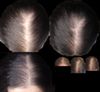
Managing seborrheic dermatitis using ketoconazole shampoo, Nizoral, and oils like MCT and coconut oil. The user considers shaving their head and consulting a dermatologist.
Minoxidil use may worsen seborrheic dermatitis, causing itching and dandruff. Users consider stopping minoxidil or switching to foam to improve scalp condition.
The conversation discusses scalp itching and tenderness after microneedling, despite using medicated shampoos and proper sanitation. The user plans to see a dermatologist and is concerned about possible infection or allergic reaction.
A user is upset about hair loss due to seborrheic dermatitis and DUPA, which prevents a hair transplant. They mention using jojoba oil and discuss treatments like Minoxidil, finasteride, and RU58841.
A 25-year-old male with seborrheic dermatitis and hair thinning seeks advice on the severity of his condition and treatment options. Oral finasteride and oral minoxidil are recommended as the most effective long-term treatments.
An 18-year-old using 5% minoxidil topically and derma rolling weekly for 1.5 months shows visible hair growth progress. The user also addresses vitamin D deficiency and thyroid imbalance with medication.
The user experienced severe scalp itching after using RU58841 and ketoconazole shampoo, despite trying moisturizing treatments. They suspect the issue is related to the propylene glycol in the vehicle and are seeking alternatives.
A 27-year-old male with diffuse hair loss, including the donor area, did not respond to finasteride, dutasteride, or minoxidil. He suspects his hair loss may be linked to a mild connective tissue disorder, possibly affecting the structural support of hair follicles, rather than being purely hormonal.
The conversation is about dealing with hair shedding due to seborrheic dermatitis and recent illness. Recommendations include treating seborrheic dermatitis with ketoconazole, correcting vitamin D deficiency, and improving sleep.
A user experienced rapid hair loss and was prescribed Desonide cream for mild Alopecia. They are seeking feedback on its effectiveness and potential side effects.
A young female diagnosed with Lichen planopilaris (LPP) experienced years of misdiagnosis and ineffective treatments, including a hair transplant and other procedures. She is considering litigation due to the misdiagnosis and has learned that LPP is chronic, hair loss can be stopped with ongoing medication, but lost hair cannot regrow.
An 18-year-old is using topical minoxidil 5% and derma rolling weekly for hair regrowth after shaving their head, while also addressing vitamin D deficiency and thyroid imbalance. They are questioning if the changes observed are signs of regrowth.
Betnovate and mometasone furoate were tried for scalp issues, but Zoryve and Selsun shampoo were recommended for relief. Itraconazole was suggested for stronger treatment if topicals fail.
A 16 year old's experience with using pyrilutamide to treat hair loss, and the potential side effects of adding tretinoin to minoxidil and finasteride treatments.
A user experienced severe scalp itching with MPB and found Nizoral ineffective. A doctor diagnosed seborrheic eczema and prescribed Betacap, which relieved the itching.
Using dermaneedling or dermapen for hair loss while managing seborrheic dermatitis and dandruff. Treatments mentioned include ketoconazole, peppermint and jojoba oil, and rubbing alcohol.
A 16-year-old diagnosed with male pattern baldness (MPB) was prescribed hair vitamins, vitamin D, a non-ketoconazole shampoo, and redenysl + serum, with a suggestion for GFC or IHRF treatments. Some users recommended minoxidil, ketoconazole, and derma stamping, while others advised against certain treatments until the age of 18.
A 19-year-old male with seborrheic dermatitis (SD) experienced significant hair loss and uses keto shampoo, zinc, and Nizoral to manage it. He inquires about the potential for regrowth and whether adding finasteride would help.
Minoxidil and finasteride are being considered for hair loss due to seborrheic dermatitis and male pattern baldness. The user is also using ketoconazole and zinc pyrithione shampoo.
Minokem-N's composition is unclear, with concerns about unlisted hydrocortisone. Users discuss alternatives like AloATM, which lacks soothing agents, and the challenges of verifying ingredients.
A user with diffuse hair loss for a decade tried various treatments, including LLLT Helmet, supplements, topicals, and hair transplants. They found relief from scalp inflammation and itching using a topical solution made from crushed Xeljanz pills mixed with ethyl alcohol.
Excess sebum rich in cholesterol and triglycerides can lead to hair loss through inflammation, with treatments like Ciclopirox shampoo, Benzoyl Peroxide shampoo, and Clindamycin gel recommended for managing conditions like seborrheic dermatitis and folliculitis. Pioglitazone is suggested for Lichen Planopilaris, while Omega-3s and reducing processed foods may improve sebum quality, though genetic factors play a significant role.
The user treated seborrheic dermatitis and hair loss with a routine including sulfate-free tea tree oil shampoo, ketoconazole shampoo, minoxidil foam, microneedling, and supplements like Omega-3 and Vitamin-D. They experienced significant hair shedding initially but saw improvement over a year.
Minoxidil and tretinoin can cause scalp dryness and itchiness. Using Nizoral, aloe, a lighter minoxidil formula, or a water-based moisturizer like one with hyaluronic acid may help alleviate these issues.
Treating Seborrheic Dermatitis, a fungal scalp condition which can cause hair loss. Treatments discussed include antifungal shampoos, cold showers, exfoliating the scalp, taking Vitamin D, and stimulating the prostate through the anus.
Concerns about using topical minoxidil with tretinoin around toddlers due to potential exposure. Some suggest using oral minoxidil instead to avoid risks.
The conversation discusses managing seborrheic dermatitis (sebderm) and male pattern baldness (MPB) with treatments like finasteride, coal tar shampoo, Nizoral, and oral minoxidil. Users suggest dietary changes, regular shampooing, and using antifungal products to control sebderm before considering minoxidil.
Lichen Planopilaris (LPP), a form of permanent hair loss, which can be mistaken for seborrheic dermatitis and is characterized by scalp itching, burning, redness, and dandruff. Treatment options discussed include steroidal creams, finasteride, minoxidil, and RU58841.
An 18-year-old experiencing hair loss and seborrheic dermatitis has tried finasteride, dutasteride, and various shampoos without success. They are considering anti-androgens like RU58841 and KX-826 for oil control and dandruff reduction.