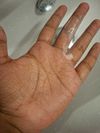
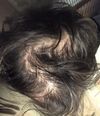
A female user is seeking feedback on using topical minoxidil on eyebrows due to eyebrow loss, as oral minoxidil hasn't worked and they avoid Latisse due to potential fat loss.
A Danish citizen warns against NordicHairGrowth.com, claiming it falsely advertises products for treating androgenic alopecia. The company's ingredients and claims are disputed, including a non-existent patented ingredient RP-24, and a non-verifiable clinical trial.
The conversation discusses hair loss treatments, specifically using topical minoxidil, oral finasteride, ketoconazole, and derma stamping. Users share their experiences, with one noting improved scalp health and slight regrowth, while another considers switching treatments due to lack of progress.
The user is using a regimen of topical finasteride (.025% concentration), minoxidil, Nutrafol, and vitamin D to address hair loss. They experienced initial side effects but reported improvement over 11 weeks and are considering increasing the dosage.
The conversation discusses hair loss treatments, specifically the use of topical minoxidil and derma-stamping, with suggestions to add finasteride or dutasteride for better long-term results. Ketoconazole shampoo is also considered for scalp health.
The conversation discusses a hair loss treatment called "nanoxidil," which is similar to minoxidil but with better absorption. Users are curious about its effectiveness for hair regrowth.
A trial of verteporfin for hair regeneration, with pictures comparing the original and current status, as well as links to other resources discussing the efficacy of this treatment in combination with Minoxidil, Finasteride, and RU58841.
Topical high-dose vitamin C is discussed as a potential treatment for hair loss due to its ability to inhibit DHT and reduce histamine. Some users express skepticism about its effectiveness compared to treatments like finasteride.
The user is using oral minoxidil and finasteride for hair loss and plans to add topical minoxidil and a dermaroller. They also use ketoconazole shampoo to support hair regrowth.
Adding non-prescription topicals like alfatradiol and Zix to a standard fin/min/niz regimen may help with scalp inflammation and shedding, but their long-term effectiveness varies. Zix is recommended for reducing scalp inflammation and enhancing the effectiveness of other treatments.
The user switched from Hims topical finasteride and minoxidil to Musely Hair Pill Bloom+, which includes minoxidil, dutasteride, and other vitamins, and noticed new hair growth but also experienced lower blood pressure. Another user ordered a minoxidil-only pill.
A user is asking if a regimen of 2.5mg oral minoxidil, 2ml topical minoxidil, finasteride, vitamin E, and a multivitamin will regrow their hair. Responses suggest optimism, calling it a strong treatment plan.
Taking Minoxidil topically for hair loss and the results, which included jokes about castration, Daenerys Targaryenism, and a hair system. People in the conversation also shared positive affirmations and humorous comments.
The user is seeing positive results in hair growth using a combination of topical minoxidil, finasteride, microneedling, and keto shampoo. They also use a red light panel for collagen rebuilding and are happy with the progress.
KX-826 Pyrilutamide 1% is launching soon, and users are discussing its potential benefits and drawbacks compared to other treatments like Minoxidil and finasteride. Some users are skeptical about its effectiveness, while others are hopeful it will be a safer alternative.
The conversation discusses a hair loss regimen involving finasteride, dutasteride, minoxidil, RU58841, and various supplements like biotin, omega-3, vitamin D3, zinc, and magnesium. The user also uses dermastamping and topicals like ketoconazole and diclofenac, with mixed opinions on zinc's effect on hair loss.
A 26-year-old male has been using Redensyl for nearly two months without progress and recently switched to minoxidil. He is also taking multivitamins with biotin and using ciclopirox shampoo for dandruff.
The conversation discusses alternatives to minoxidil and finasteride for hair loss, with users expressing skepticism about the effectiveness of Redensyl, Procapil, and Baicapil. One user recommends Finax by Dr. Reddy as a reliable option in India.
The conversation discusses using retinol to enhance minoxidil's effectiveness for hair loss, with a user considering The Ordinary's 0.5% retinol and seeking advice on azelaic acid concentration. Other users suggest using tretinoin instead and consider pre-formulated products combining minoxidil, tretinoin, and azelaic acid, but the original poster has not seen improvement from dermarolling.
Hair loss treatments discussed include Fluridil, Minoxidil, Stem, Niz, Viviscal, Broccoli Sprouts, and Derma. One user claims most treatments are ineffective, while another supports Eucapil.
Minoxidil can be effectively delivered through nanoemulsions containing eucalyptol or oleic acid, enhancing its diffusivity and targeting hair follicles. This contradicts the advice against mixing minoxidil with oils in topical formulations.
The conversation is about gratitude for a channel that provides support and advice on hair loss treatments, including micro-dosing finasteride, using a derma pen, ketoconazole shampoo, and a topical oil. Some users express appreciation for the community, while others reflect on their experiences and the information shared.
The conversation discusses the risks and methods of ingesting liquid minoxidil for hair loss. Concerns include dosing accuracy, safety of ingredients, and potential side effects compared to using oral minoxidil tablets.
Fluridil is discussed as a potential topical alternative for hair loss for those experiencing side effects from finasteride. Some people have tried higher concentrations, but there's no clear consensus on its effectiveness.
A 21-year-old male experienced side effects from topical finasteride and is seeking alternative treatments to maintain hair until Breezula is available. He is considering using minoxidil, Nizoral, micro-needling, and vitamin D supplementation, and may try CB or RU58841 if necessary.
A user shared their positive experience with a 5% minoxidil and 0.1% finasteride topical serum for hair loss, noting improvements in hair density and new growth within 2.5 months. They also mentioned using red light therapy, vitamin D+K2 supplements, and an all-natural shampoo.
The post discusses a hair loss treatment regime using Nizoral, a laser helmet, dermaroller, bentonite clay mask with essential oils, and ketoconazole shampoo. The user avoids finasteride and minoxidil due to concerns about side effects and pet safety.
The user started finasteride and experienced increased shedding for five months. They are concerned about how low vitamin levels might affect the shedding and effectiveness of finasteride.
A user wants to dilute a melatonin sublingual spray to 0.0033% for use as a topical hair loss treatment. They ask if distilled water can be used for dilution and how much is needed for stability over months.
The conversation is about using vitamin C and Magnesium L-Threonate for hair growth by reducing DHT binding to dermal papilla cells. The original post about vitamin C's pH levels and sebum control was possibly removed by a moderator.