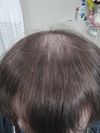
User tried dutasteride, topical finasteride, oral minox, dermawounding, saw palmetto, pumpkin seed oil, and ketacozonole for hair loss. Improvement was temporary, now trying RU58841 and seeking help.
Lab-grown hair using iPSCs is being explored, but practical applications are limited. Finasteride is suggested as the only current effective treatment.
A 21-year-old man shared his 2.5-year experience with hair loss treatments, including 1mg Propecia (finasteride) nightly, 12.5% Minoxidil once daily, 2% Nizoral shampoo 2-4 times a week, and later 5% Minoxidil once daily. He experienced minor side effects like watery semen and itchy scalp, and while he's seen fluctuations in hair growth, he's generally happy with the results and is considering experimental treatments like CB-03-01 and RU58841.
A 28-year-old male shares progress on hair loss treatment using 0.5mg dutasteride and 5mg minoxidil, experiencing initial shedding but encouraged by community support. He also uses ketoconazole occasionally based on scalp oiliness.
A user is concerned about hair loss in the temple area despite using Minoxidil and finasteride for 10 months and is curious if PP405 can help. Responses indicate uncertainty about PP405's effectiveness, with some optimism about future treatments and AI speeding up drug discovery, but emphasize waiting for clinical trial results.
A user (seblt) who has had side effects from finasteride, minoxidil and RU58841 but is now trying pyrilutamide as a last resort, with other users providing advice and support. They have already seen some baby hairs growing after 10-14 days of treatment and will provide updates in 1-2 weeks.
Corticosterone inhibits GAS6, affecting hair follicle stem-cell activity, with potential implications for stress-related hair loss. Ashwagandha and Vitamin K are suggested for reducing cortisol, but their effectiveness is debated.
Upcoming hair loss treatments for those who can't tolerate DHT blockers, focusing on Minoxidil, microneedling, and ketoconazole. Promising treatments include GT20029, PP405, KX-826, and RU58841, though RU58841 may not be safe.
PP405 is expected to be on the market between 2027 and 2030, with phase 3 trials starting in 2026. There is skepticism about its fast-tracking due to its cosmetic nature, and it may appear on the gray market sooner.
The conversation is about a user assessing their hair loss as Norwood 1.5 and discussing their use of oral minoxidil and finasteride for 2.5 years, which improved their hair density. They are content with their current progress but hope to reach Norwood 1.
Hair loss treatments Finasteride, Dutasteride, Pyrilutamide, and RU58841 have different mechanisms of action. They can be used individually or stacked for better protection against hair loss.
The post discusses speeding up verteporfin trials for hair loss treatment. The original poster, involved in the trials, requests help in crowdsourcing doctor emails to spread awareness and gather more support for the trials.
PP405 is progressing to Phase 2b trials, with results expected in late 2025 or early 2026, and potential Phase 3 trials in 2026. Some users experienced side effects from finasteride and are hopeful for PP405 as an alternative treatment.
The user does not respond well to minoxidil and is seeking an alternative to Tretinoin to upregulate sulfurtransferase activity for hair loss treatment. No specific alternative treatments were mentioned.
A 20-year-old shared their experience of reversing hair loss without using minoxidil or finasteride, instead relying on supplements like biotin, collagen, fish oil, saw palmetto, and various vitamins. They emphasized the importance of a balanced supplement schedule and noted improvements in hair health without experiencing additional shedding.
Male pattern baldness (MPB) may be an early warning sign for type 2 diabetes due to its association with insulin resistance. Treatments discussed include testosterone therapy and finasteride, which affects hormone levels related to hair loss and insulin sensitivity.
A user shared their 14-month progress using Pyrilutamide and Minoxidil for hair loss, noting improvement and no side effects with these treatments, unlike their negative experiences with Finasteride and RU58841. They emphasized the importance of consistent application for seeing results.
The post discusses the potential of upregulating aromatase to treat hair loss, suggesting that increasing CCL2 levels through Vitamin D or microneedling might help. The user questions why microneedling doesn't work for everyone, especially those with advanced hair loss.
RU58841 is used without finasteride by some due to side effects, with mixed results. Users report combining RU58841 with minoxidil and adjusting finasteride doses to manage hair loss.
The user experienced hair regrowth using topical minoxidil and finasteride, and later added oral finasteride for maintenance. They reported no side effects and found a specific shampoo helpful for scalp issues.
A user shared progress pictures after 40 days of using topical finasteride, minoxidil, and KX-826 following a hair transplant. They previously used Polaris NR-11, which contains finasteride and minoxidil, and experienced significant hair regrowth.
A 31-year-old individual started taking finasteride 24 days ago to address hair thinning and loss, which has worsened their mood and stress. They have not yet added minoxidil and are experiencing significant shedding, contributing to sleep issues and insecurity about their hairline.
A 23-year-old experiencing hair thinning has seen noticeable improvement after using 1.25 mg oral finasteride for over a year and recently starting 2.5 mg oral minoxidil, along with ketoconazole shampoo. They are considering a hair transplant in the future and have not experienced any side effects from the medication.
A 31-year-old female stopped excessive hair shedding using Nizoral shampoo, diluted apple cider vinegar rinse, daily scalp massages, and oral iron and biotin supplements. She noticed a significant reduction in hair loss after 2.5 months and is observing potential regrowth.
The conversation discusses arranging an interview with the developers of RU58841 to clarify its safety and reasons for halted research, with some users expressing concerns about potential risks and others citing financial reasons for the discontinuation of studies. Specific treatments mentioned include RU58841, minoxidil, and finasteride.
Concerns about the potential systemic effects and safety of PP405 for hair loss, with discussions on its comparison to existing treatments like finasteride and minoxidil. Users express skepticism about untested research chemicals and emphasize the importance of clinical trials to ensure safety and efficacy.