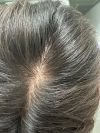
Dutasteride may affect testosterone levels, leading to high ferritin and iron levels, which can cause hair loss. High ferritin might be linked to past heavy drinking or hemochromatosis.
The conversation is about finding non-alcoholic minoxidil options in India due to irritation from propylene glycol-based formulations. Suggestions include Tugain 5% foam, Morr Max 5%, minoxidil gel, and Morr F Aqua plus, with OP avoiding finasteride due to side effects.
A 26-year-old male with grade 3 hair loss is using 2.5 mg oral minoxidil, 1 mg finasteride, 5% minoxidil, ketoconazole shampoo, and kLM d3. He plans to post progress pictures every 6 weeks and is seeking suggestions.
Topical minoxidil can cause water retention, making the face appear swollen. Switching from liquid to foam and reducing application frequency may help; using dandelion root extract as a diuretic is also suggested.
The user is experiencing increased hair shedding after 7 months of using a topical solution and is considering switching to oral treatment. They are concerned about thinning hair around the corners and temples.
The user experienced severe hair loss, itchy scalp, and skin issues after trying no-shampoo, and wonders if it's male pattern baldness or an immune issue. They have a history of eczema, dermatitis, and jock itch, and have tried various treatments like coconut oil, peppermint, pumpkin seed, and onion.
The conversation discusses using GHK Cu + AHK Cu peptides combined with topical dutasteride and minoxidil for hair regrowth. It mentions negative side effects of finasteride and promotes a specific copper peptide serum.
The user is experiencing severe hair loss due to gut malabsorption and is seeking advice on nutrient testing and supplementation. They have low Vitamin D and Ferritin levels and are asking for recommendations on additional nutrients and blood tests to consider.
The user increased finasteride to 1mg daily, stopped using ketoconazole and pyrithione zinc shampoos, and started using regular pH balanced shampoo with tea tree oil, rosemary/peppermint oil, and microneedling. They are now seeing new hair regrowth at the hairline and temples.
A user experienced increased pimples and cysts after two years on dutasteride, possibly due to hormonal changes. Suggestions included seeing an endocrinologist, using supplements like boron and DIM, adjusting diet, and reducing body fat to manage side effects.
The conversation is about personal experiences with Alfatradiol (Pantostin) for hair loss and whether it causes shedding similar to Minoxidil. People are sharing their experiences with this treatment.
A 24-year-old experienced hair regrowth with finasteride, minoxidil, and ketoconazole but saw a significant shed after four years despite continued treatment and healthy habits. They stopped minoxidil after shaving their head, noticed dandruff disappeared, and are seeking advice for potential regrowth.
The conversation is about finding shampoos that add volume and promote healthy hair growth without harsh chemicals. The user from India uses an ayurvedic Aloe Vera shampoo and washes their hair once a week.
After 2 months of using minoxidil and finasteride twice daily, along with ketoconazole shampoo 2-3 times a week, progress in hair condition is shown. The user shares pictures to document the changes.
The user is experiencing hair loss and is using finasteride while addressing low ferritin and copper levels. They are concerned about continued hair shedding and are advised to correct vitamin deficiencies and wait for finasteride results after 12 months.
The user is questioning if their hair is regrowing or thinning while using dutasteride 0.5mg, minoxidil 2.5%, vitamin tablets, and ketoconazole shampoo. They are seeking opinions on their hair loss treatment progress.
A 44-year-old is experiencing rapid hair thinning after weight loss, despite using finasteride for two years. They have added minoxidil, vitamins, ketoconazole shampoo, derma stamping, and are considering PRP treatment while slowly introducing dutasteride.
The user is considering adding 2% ketoconazole to their current treatment of oral minoxidil and finasteride to address scalp itchiness and inflammation. Another user suggests controlling inflammation is important for managing hair loss.
The conversation is about recommendations for a daily shampoo to use alongside topical finasteride and minoxidil treatments for hair loss. The user is currently using PURA D’OR shampoo and considering other options, while another user suggests Johnson's baby shampoo and shares their experience with finasteride, minoxidil, and PRP sessions.
User experienced hair loss since 16, used Fin, Minox, and Nizoral with success but stopped due to side effects. Now using Pur D'or shampoo, Rogaine foam, scalp massages, volumizing spray, and dermarolling for hair maintenance.
The user is experiencing early hair thinning and is currently using finasteride and ketoconazole shampoo. They are considering adding minoxidil or switching to dutasteride for stronger DHT suppression, while also checking for iron deficiency.
The user started using topical and oral Minoxidil in December 2024, added ketoconazole shampoo in February 2025, and began using topical Dutasteride mixed with Minoxidil. The ketoconazole shampoo stopped scalp itchiness, but the hairline looks the same, with existing hairs appearing frail and thin.
The user shared progress pictures after using topical dutasteride for 4 months, experiencing heavy shedding at month 2, which returned to baseline 1.5 months ago. Previous treatments with topical and oral finasteride and minoxidil were ineffective or caused side effects, and the user is hopeful about the shedding phase indicating potential effectiveness of topical dutasteride.
The conversation is about experiencing hyper-trichosis from taking oral Castor Oil. The user reports increased hair growth on the stomach and legs but is not concerned as it is harmless and will stop when the treatment stops.
The user switched from finasteride to 2.5 mg dutasteride daily and added 1% pyrilutamide to address persistent scalp itch, but the itch remains. They also use 2% ketoconazole and 2.5% selenium sulfide shampoo for temporary relief.
The conversation is about using PTD-DBM and valproic acid for hair loss. The user is inquiring about the dosage of these treatments, noting that valproic acid is used at a 7.5% solution.
A user is considering mixing fast-drying minoxidil with Kirkland minoxidil to reduce greasiness and drying time. They also use liquid minoxidil to apply RU58841 powder.
Minoxidil is highly toxic to cats, and even small amounts can be fatal. The user decided against using topical minoxidil due to the risk to their cats and considered oral minoxidil and ketoconazole shampoo as alternatives.