Search
for
Sort by
Community Join
540-570 / 1000+ resultscommunity anti-androgens help with chronic seborric dermatitis ?! and hence diffuse thinning
An 18-year-old experiencing hair loss and seborrheic dermatitis has tried finasteride, dutasteride, and various shampoos without success. They are considering anti-androgens like RU58841 and KX-826 for oil control and dandruff reduction.
community is 1% finasteride and 0.1% tretinoin typically prescribed?
1% finasteride is considered too high, with most people using 0.1% or 0.3% topically. Combining it with 0.1% tretinoin is aggressive and may cause skin irritation.
community Pyrilutamide/KX-826 for women?
Pyrilutamide/KX-826 is being considered as a potential treatment for female androgenetic alopecia (AGA), but its high cost and limited data on effectiveness are concerns. Kintor markets it for both men and women.
community Will kintor show pyrilutamide phase 3 trials result this q
The conversation is about the release of a new phase 3 clinical trial for a year and questioning if the results of the 6-month clinical trials will be shown this quarter. The specific treatment discussed is Pyrilutamide.
community anybody here having success with Topical Spironolactone?
The user plans to mix Kirkland minoxidil with spironolactone tablets for hair loss. They cannot use finasteride, saw palmetto, or spearmint tea due to side effects like insomnia and low testosterone.
community Turmeric Inhibits Conversion of Testosterone to DHT; Creatine Enhances It - Kyle Gillett
Turmeric may slightly inhibit DHT, but it likely doesn't significantly impact hair loss. Creatine might increase DHT levels, but its effect on hair loss is debated and not conclusively proven.
community 5 months of 1mg Fin, daily GHK-CU injection, daily keratin/biotin/MSM supplement, daily Pura D’Or Advanced Therapy Shampoo and Conditioner, daily Ayurvedic oil, Ket x3/week, weekly microneedling with topical GHK-CU
A user shared their 5-month hair loss treatment progress, using 1mg finasteride, daily GHK-CU injections, keratin/biotin/MSM supplements, Pura D’Or shampoo and conditioner, Ayurvedic oil, ketoconazole thrice weekly, and weekly microneedling with topical GHK-CU. The post includes progress pictures.
community Kintor Pharmaceutical Announces AR-PROTAC (GT20029) Approved for Acne and Androgenic Alopecia Clinical Trials in China
The conversation discusses the approval of Kintor Pharmaceutical's AR-PROTAC (GT20029) for clinical trials in China for acne and androgenic alopecia. One user expresses optimism about new treatments being developed and seeks clarification on how the new drug works, specifically if it temporarily degrades the AR protein to reduce DHT sensitivity in hair follicles.
community 18M Diffuse thinning with 7ng/mL Vit D. Is it just the deficiency or is 0.5mg Fin mandatory?
An 18-year-old with diffuse hair thinning is considering switching from a topical Minoxidil 10% + Finasteride 0.1% solution to Minoxidil 5% foam and oral Finasteride 0.5mg, while also addressing vitamin D deficiency and potential scalp inflammation. Users suggest using Nizoral shampoo for inflammation, considering dutasteride for better results, and maintaining vitamin D levels to protect hair follicles from DHT.
community Ashwagandha And Hair Loss - Correlation?
The conversation discusses whether ashwagandha affects hair loss, with one user noting no increase in hair loss while using it and another suggesting it may help slow hair loss by reducing stress. The original poster is using finasteride daily and is concerned about ashwagandha's impact on hair loss.
community shampoo nizoral 1% information
User has itching, dandruff, and scalp issues, considering Nizoral 1% shampoo for treatment. Nizoral's effectiveness for hair loss is uncertain due to limited research, short contact time, and concentration differences.
community The Hormonal Profile of MPB/AGA
Men with early male pattern baldness (MPB) may have hormonal abnormalities similar to those in women with PCOS. Specific treatments mentioned include Minoxidil, Finasteride, and RU58841.
community 26M, grade 3, 2.5 Oral Mg minoxidil 1MG finasteride , kLM d3 , Minoxidil 5%, ketocinazole shampoo.I will post the pics after every 6 weeks.
A 26-year-old male with grade 3 hair loss is using 2.5 mg oral minoxidil, 1 mg finasteride, 5% minoxidil, ketoconazole shampoo, and kLM d3. He plans to post progress pictures every 6 weeks and is seeking suggestions.
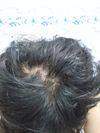
community 23M Experiencing Thinning at Crown/Mid Area; Minoxidil for 1 Month, Considering Finasteride
A 23-year-old is experiencing hair thinning at the crown and mid part, possibly due to vaping, and is using minoxidil, derma rolling, PRGF sessions, rosemary oil, ketoconazole shampoo, and vitamin D3 supplements. They are considering adding finasteride but are concerned about its side effects.
community [21M] seb derm + probably mbp.
Minoxidil and finasteride are being considered for hair loss due to seborrheic dermatitis and male pattern baldness. The user is also using ketoconazole and zinc pyrithione shampoo.
community The other day I had a random discussion about not eating the livers of predators like polar bears because you can get vitamin A poisoning, my nurse roommate looked up symptoms and found telogen effluvium was one of them...
A user experienced hair thinning possibly due to excess vitamin A from taking extra gummy vitamins. They stopped taking the vitamins and are seeking advice on hair regrowth and managing vitamin A levels.
community GT20029 China Phase II Trial For AGA Reached Primary Endpoint
The GT20029 tincture, a topical androgen receptor degrader, showed significant hair growth and good safety in a China Phase II trial for male androgenetic alopecia (AGA), with the 1% dose twice weekly identified as optimal. The company plans to initiate Phase III trials in China and Phase II in the U.S., and the treatment also shows promise for acne.
community Making good progress on finasteride and ketoconazole. Microneedling irregularly too.
User DeadRay9 reports good progress on finasteride and ketoconazole, with irregular microneedling. They take 1.25mg finasteride, experienced increased libido, and saw improvements at 3-5 months.
community My numbers seem completely off. 24M (Diffused thinning)
A 24-year-old male experiencing diffused thinning discusses his DHT levels and hair density issues. He has not used finasteride or dutasteride and is considering AR inhibitors.
community DIY Shed treatment & thick regrowth, Vitamin C shampoo
DIY hair loss treatment with vitamin C in shampoo reduced shedding and promoted regrowth, benefiting both the original poster and their wife.
community Why doesn’t Kevin Mann (Haircafe) use dutasteride, given that it’s more effective than finasteride?
Kevin Mann avoids dutasteride because it comes in gelatin capsules, which he avoids as a vegan, and he is satisfied with finasteride's results. He prefers finasteride due to more long-term research and follows the principle of "if it ain't broke, don't fix it."
community Hair started thinning and found out i have high cortisol and thyroid issues
User experienced hair thinning due to high cortisol and thyroid issues, along with insulin resistance. They are taking magnesium, zinc, vitamin D, calcium, and selenium as supplements.
community DUPA VS. FAPD, which is more treatable? Which is worse?
DUPA is considered more treatable than FAPD, as FAPD involves scarring that prevents hair regrowth. The user has started treatment with oral dutasteride and minoxidil, hoping for better results than previous treatments.
community M30, month 2 of dutasteride and minoxidil
A user shared their two-month progress using dutasteride, minoxidil, ketoconazole shampoo, and tretinoin cream for hair loss, reporting no side effects and increased sex drive. Other users discussed their experiences with similar treatments, including finasteride and oral minoxidil, and debated the effectiveness of microneedling.
community Im on 2.5 mg dutasteride, RU, 15 mg Oral Minoxidil, 300 mg Isoflavones, 1800mg NAC, 1000mg Pumpkin Seed Oil, NAD+ and Vipelin
The user improved their hair loss from a Norwood scale 2.5/3 to 1.5/2 using treatments including 2.5 mg dutasteride, RU58841, 15 mg oral minoxidil, isoflavones, NAC, pumpkin seed oil, NAD+, and Vipelin, but still experiences temple recession. Other users expressed concern over the high dosages of oral minoxidil and dutasteride.
community Itching scalp and dandruff when i scratch it
The conversation is about managing an itchy, flaky scalp, possibly due to psoriasis, and the use of a hydrating conditioner to address dryness. The user is concerned about using conditioner due to experiencing telogen effluvium.
community Consensus on GHK Cu + AHK Cu for AGA in combination with topical dut + min?
The conversation discusses using GHK Cu + AHK Cu peptides combined with topical dutasteride and minoxidil for hair regrowth. It mentions negative side effects of finasteride and promotes a specific copper peptide serum.
community Betacaroten and hairloss? Make it better or Worse?
Betacarotene's effect on hair loss is discussed, with concerns about excessive vitamin A. The user also questions if 15mg melatonin impacts vitamin A levels.
community Is it possible to have low scalp vascularity??
The user is using topical dutasteride, finasteride, minoxidil, and tretinoin but seeing no results or side effects. They also microneedle every two weeks but experience little bleeding, questioning if a thick scalp is preventing treatment effectiveness.