A 7-month progress report of using finasteride and minoxidil, as well as keto dieting and derma stamping; the discussion also touched on RU58841 and its potential side effects.
The conversation discusses the application frequency of a 1% Koshine solution for hair loss, with recommendations varying between once or twice daily. It is noted that the 1% solution is more effective than the 0.5% solution.
The user started using topical and oral Minoxidil in December 2024, added ketoconazole shampoo in February 2025, and began using topical Dutasteride mixed with Minoxidil. The ketoconazole shampoo stopped scalp itchiness, but the hairline looks the same, with existing hairs appearing frail and thin.
The conversation is about a user expressing concerns over the safety of a new drug called Pyrilutamide (also known as KX-826) for hair loss. The user will only trust the drug if it's permitted by EU regulations and sold by a reputable company.
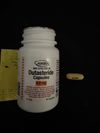
The user switched from finasteride to dutasteride to address temple hair loss and obtained generic oral minoxidil. They are questioning the legitimacy of Camber's dutasteride compared to other options.
Mixing ketoconazole 2% shampoo with coal tar and salicylic acid for seborrheic dermatitis is discussed, with users sharing experiences and alternative treatments like sulfur soap and scalp massage. Some users report success with these methods, emphasizing the importance of avoiding irritants and maintaining scalp health.
After 2 months of using minoxidil and finasteride twice daily, along with ketoconazole shampoo 2-3 times a week, progress in hair condition is shown. The user shares pictures to document the changes.
Kintor Pharma completed patient enrollment for a Phase II trial in China for GT20029, a potential new treatment for hair loss. Some believe GT20029 could replace finasteride if effective, while others discuss finasteride's limited efficacy and potential underreported side effects.
EDHARRINGTON's journey to regrow his hair using finasteride, topical minoxidil, and micro-needling treatments over 4 years, with others commenting their support and admiration for his results.
GHK-Cu is discussed for hair loss treatment, with some users reporting positive results using a 4% topical serum, but concerns exist about the long-term safety of oral or injectable forms. The original poster also uses finasteride and plans to start dutasteride.
Oral PTD-DBM was discussed as a potential hair loss treatment, but it was deemed ineffective in humans despite promising results in mice. The conversation concluded that trying it without VPA might be unwise.
Counterfeit Kirkland minoxidil is being sold online, leading to ineffective hair loss treatment. Users are advised to purchase from reputable sources like Costco to avoid fake products.
GHK-Cu serums for hair growth have mixed results, with some users not seeing significant benefits. Users have tried various brands like Tricomin and Actifolic without success.
A user's experience with the hair loss treatment Pyrilutamide KX-826, which has resulted in some side effects and shedding. The conversation also includes advice for baseline pictures and trying treatments for at least 6 months.
Kintor Pharmaceutical's KX-826 shows promising results for hair loss treatment. Users discuss the use of anti-androgens like spironolactone and RU58841, noting concerns about concentration and safety.
Pyrilutamide (KX826) sourcing and pricing, with users discussing the legitimacy and cost of grey market versus official sources. The conversation highlights the high cost of official products and the effectiveness of grey market versions.
The conversation discusses Kintor's initiation of a new Phase 3 trial to assess the long-term safety of Pyrilutamide (KX-826) for hair loss, which will last 52 weeks. Specific treatments mentioned include Pyrilutamide.
Hair loss treatments discussed include Minoxidil, Finasteride, and RU58841. Anageninc stopped selling KX-826 (Pyrilutamide) due to a cease and desist letter from Kintor, but this may indicate promising study results and a potential 2024 release.
Pyrilutamide (KX-826) is being discussed as a potential hair loss treatment, with some users reporting no regrowth after three months. It may prevent further hair loss but might not promote regrowth unless combined with Minoxidil.
A user's six-month update on their hair loss treatment plan, which includes topical finasteride and minoxidil, dermarolling, and ketokonazole. Replies to the post appreciate the comparison pictures and commend the results achieved from the treatments.
The user noticed increased hair shedding after switching to a new Kirkland minoxidil with a different formula and is concerned about its effectiveness. They suspect the shedding might be linked to the new minoxidil rather than other factors like changing finasteride dosage or stopping RU58841.
A 28-year-old male is experiencing excessive hair shedding despite using oral and topical minoxidil, and occasionally using ketoconazole shampoo. He is considering trying GHK-Cu serums but cannot use finasteride.
A user is joining a clinical trial for Clascoterone, a drug approved for acne but being tested for hair loss. They previously tried finasteride with limited success and plan to share updates on their experience with the new treatment.
The conversation discusses the possibility and safety of adding minoxidil sulfate to mesotherapy with dutasteride. Users are inquiring if anyone has tried this combination.
The conversation discusses the safety and use of ketoconazole shampoo for hair loss, with mentions of zinc pyrithione and selenium sulfide. Users debate the safety of these ingredients, particularly zinc pyrithione, and share opinions on regulatory differences between Europe and the US.
The conversation discusses alternatives to 5AR inhibitors for hair loss treatment, suggesting options like minoxidil, KX-826, pyrilutimide, microneedling, and topical bicalutamide. Concerns about side effects and the effectiveness of these treatments are also highlighted.
Kintor is testing Pyrilutamide with Minoxidil for hair loss. Users are skeptical about its effectiveness and concerned about limited treatment options if this fails.
A 29-year-old is using 1mg oral finasteride and 50mg/g topical minoxidil daily for hair loss, with plans to reduce minoxidil use due to greasiness and considering a hair transplant for receding temples. No side effects from finasteride were reported, and many users suggest a transplant may not be necessary due to good hair density.
The user is discussing their hair loss treatment stack, which includes CB-03-01, Fluridil, Alfatradiol, Cosmerna, microneedling, and Stemoxydine. They have seen some new hair growth but wish they could use finasteride.