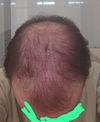
A 17-year-old is addressing hair loss with finasteride, topical minoxidil, and microneedling. They are considering adding GHK-Cu to their regimen, but others advise caution with finasteride due to age.
The conversation is about finding the best conditioner for hair loss, with a mention that Ketoconazole shampoo is recommended for reversing hair loss. Users suggest that most "hair growth" conditioners are ineffective and discuss using anti-dandruff conditioners with piroctone olamine.
A user is considering an extensive hair loss treatment regimen including oral dutasteride, oral minoxidil, topical finasteride, tretinoin, microneedling, keto shampoo, laser comb, and PRP injections. Suggestions include simplifying the routine, possibly increasing minoxidil dosage, and considering alternatives like RU58841, while cautioning against using estrogen due to potential side effects.
.
This user has been using Kirkland Minoxidil foam and 1 mg finasteride for 8 months, as well as a diet change, regular exercise, and daily biotin and Animal Pak supplements to treat their hair loss. So far they have not experienced any side effects from the finasteride.
A user shared their 6-month hair loss treatment journey using minoxidil, finasteride, ketoconazole, and a dermaroller, noting minimal changes between months 3 and 6. Other users discussed similar routines, cutting finasteride pills, and the benefits of using a dermastamp over a roller.
A user found relief from minoxidil-induced scalp itch by using a different product, as Nizoral dried out their scalp and worsened the condition. The conversation focuses on managing side effects of hair loss treatments.
The conversation discusses maintaining hair regrowth using minoxidil and finasteride and whether using gt20029, which degrades androgen receptors, would affect this. Fluridil, a similar treatment, can disable over 90% of active androgen receptors.
The conversation humorously suggests using immunosuppressants like ciclosporine and oral minoxidil for hair regrowth, with a satirical plan involving hair transplants from family members. It highlights the side effects and impracticality of such treatments, emphasizing the post's satirical nature.
The conversation humorously suggests that drug use might be more effective for hair retention than traditional treatments like minoxidil or finasteride. It attributes full heads of hair in homeless individuals to lifestyle factors like reduced stress or hormonal changes.
The conversation is about using a DIY topical Cetirizine 1% solution with microneedling for hair loss treatment. Concerns were raised about potential side effects and the effectiveness of Cetirizine for this purpose.
A user shared their 1.5-month progress using a routine of topical finasteride and minoxidil gel, minoxidil foam, microneedling, keto shampoo, and a multivitamin. They reported noticeable hair regrowth for the first time in a decade.
Keratin microspheres may offer additional mechanisms to combat hair loss compared to minoxidil. The process to create these microspheres is relatively simple and can be done at home with basic equipment.
The user experiences scalp itchiness despite using ketoconazole shampoo and is also taking oral finasteride and minoxidil. Suggestions include trying different shampoos like Head & Shoulders, using salicylic acid products, considering allergies, and consulting a dermatologist for alternatives like Ciclopirox.
The user shared progress photos showing hair regrowth after using Minoxidil, Finasteride, and Nizoral since mid-2023, and plans to replace derma rolling with Tretinoin. They discussed their routine, the initial shedding phase, and their experience with side effects, while others commented on the visible improvement.
A 27-year-old has seen hair regrowth over 5 months using 2ml of 5% minoxidil daily, 50mg of RU58841 daily, and occasional microneedling. Commenters think the results are good and ask about microneedling frequency, needle size, and if ketoconazole shampoo is used.
User experienced hair loss after using a dermaroller, onion juice, and ketoconazole shampoo, and later started finasteride. They are unsure if the hair loss is due to the dermaroller or ketoconazole and seek advice.
The user shared 6-month results using finasteride, minoxidil, ketoconazole shampoo, vitamin D, calcium, and biotin, showing significant improvement. Another user praised the results as excellent.
Osteopontin, a protein involved in hair growth on moles, may help with hair loss. However, it is also linked to Alzheimer's, cancer, and bone development, so caution is advised.
The conversation is about recommendations for microneedling tools for hair loss, with users suggesting a dermastamp from Koi Beauty and the Derminator 2 with 12-needle cartridges.
The conversation discusses alternative hair growth treatments to minoxidil, including Stemoxydine, Tretinoin, adenosine, Baicalin, castor oil, Latanoprost/bimatoprost, and Redensyl. Users share their experiences and opinions on the efficacy of these treatments.
The conversation discusses promising hair cloning research seeking commercialization partners. Cultured hairs formed with pigment, indicating positive progress.
The user shared progress pictures after using finasteride, minoxidil, and ketoconazole for a year, then switching to dutasteride two months ago. Commenters noted significant improvement in appearance and appreciated the watermark for image protection.
The conversation is about hair regrowth treatments using minoxidil, finasteride, tretinoin, and ketoconazole shampoo. Users discuss their experiences, including side effects, shedding, and the potential benefits of adding microneedling.
The user applied topical finasteride 0.3% and minoxidil 6% once daily, used keto shampoo weekly, and derma stamped weekly or biweekly. They noticed hair improvement, possibly due to regrowth or letting it grow longer.
HMI-115, a newly discovered hair loss treatment that could potentially be effective for those with diffuse thinning and telogen effluvium. It is based on prolactin receptor antagonist signaling and has already undergone Phase I trials in women, with potential commercialization by 2027.
Transplanted hairs are thinning after switching from topical to oral minoxidil, with increased shedding and miniaturization. The user is considering reintroducing topical minoxidil and has started using ketoconazole shampoo.
A user lost 60% hair density in 4 months, started finasteride and microneedling, and has greasy, flaky, yellowish scalp. They are awaiting biopsy results, and another user suggested trying ketoconazole shampoo.
The conversation is about a user sharing their 5-month progress using topical minoxidil 5% twice daily, ketoconazole shampoo, and vitamin D supplements for hair loss, with plans to add finasteride. The user experienced initial shedding but noticed hair thickening by the fourth month, and is seeking advice for dryness caused by minoxidil.
Nanoxidil may be more effective than Minoxidil for hair loss due to better follicle penetration, but it lacks widespread recognition and research because it's owned by a small company and classified as a cosmetic. The pharmaceutical system favors Minoxidil due to its established market presence and profitability, leaving Nanoxidil largely unstudied and unknown.
The post discusses the use of El-Cranell, which contains Alfatradiol, and Quercetin as a treatment for hair loss. The user is seeking recommendations on the amount of Quercetin to add to the solution. The conclusion of the document is that Quercetin has been shown to stimulate hair growth and inhibit DHT, and combining it with zinc/copper may have a synergistic effect.