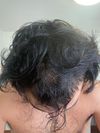
The user is experiencing hair regrowth in small clusters using oral minoxidil, oral finasteride, a red light cap, and Nizoral 2% shampoo. They are hopeful for continued improvement and thicker hair.
The user experienced noticeable hair thickening after 75 days using 5mg oral minoxidil, 1.25mg finasteride, ketoconazole shampoo, and weekly dermastamping. They also reported increased body and facial hair growth.
Hair shedding can still occur after long-term use of finasteride, and it is often part of the natural hair cycle. Some users consider adding minoxidil or switching to dutasteride to manage shedding.
A 21-year-old male using minoxidil and finasteride for two months is experiencing increased hair loss, which is considered normal and part of the shedding process. Users advise continuing treatment, as results typically appear after 6 months to a year, and suggest adding vitamins, microneedling, or considering dutasteride for aggressive hair loss.
People are frustrated with the lack of new hair loss treatments stronger than minoxidil and finasteride. Some are using dutasteride to maintain hair while hoping for future solutions.
A 19-year-old shared 6-month progress photos after using only finasteride for hair loss, noting no significant changes and considering adding oral minoxidil. Others commented that the hair looks healthy and suggested continuing the current treatment.
Starting Minoxidil now won't affect future Finasteride gains; they work differently and can be used together. It's suggested to start Minoxidil to maintain hair health until Finasteride can be started, and consider additional treatments like Ketoconazole shampoo, derma rolling, and rosemary oil for support.
Stopping Minoxidil caused significant hair loss, which was mostly regained after resuming 1mg Finasteride and 3mg oral Minoxidil. Consistent use of both treatments is essential for maintaining hair growth.
The user has been using 5% Minoxidil and microneedling for 11 months, showing some regrowth, and is considering adding Finasteride to enhance results. Many suggest adding Finasteride, either orally or topically, to address DHT-related hair loss and improve hair growth.
The user has been using Minoxidil since 2024 and topical finasteride since January 2026, but their hair continues to thin, and they are seeking hairstyle advice. They have also tried a dermastamp and ketoconazole shampoo, and are considering buzzing their hair for a more balanced look.
The conversation discusses using minoxidil and finasteride for hair loss, with concerns about hair damage from massaging minoxidil into the scalp. Users suggest gentle application to avoid breakage and note that shedding is common after starting finasteride.
Dutasteride is considered a powerful treatment for hair loss, potentially effective for decades, but its success depends on individual genetics and response. Combining Dutasteride with other treatments like Minoxidil, Finasteride, and RU58841 may enhance results, but outcomes vary.
The user has seen hair regrowth after 6 months using finasteride, minoxidil, and topical finasteride, and is considering whether to continue or opt for a hair transplant. Others shared experiences with shedding and encouraged continuing the regimen for more results.
The user is concerned about high LH and estradiol levels after using finasteride but reports no side effects. They are seeking advice on whether these levels are concerning despite feeling fine.
The user has been on 1.2 mg finasteride for 1.5 years with minimal results and recently switched to dutasteride. Suggestions include adding minoxidil, derma rolling, and considering dietary changes to improve hair health.
The conversation is about skepticism regarding Elon Musk's potential interest in hair cloning and includes unrelated discussions about Epstein and political opinions. Hair cloning is not seen as a trillion-dollar industry unless Elon Musk invests heavily in it.
The conversation discusses using minoxidil spray for hair thinning, with advice to use a dropper for better application. Many users recommend adding finasteride as a DHT blocker for more effective hair loss prevention.
Ketoconazole shampoo is mainly used for scalp health and dandruff, not effective for hair regrowth. Some users find it drying, while others notice improved hair appearance and reduced dandruff.
The user started a hair regrowth journey 3 months ago using oral Minoxidil, Finasteride, microneedling, and Ketoconazole shampoo. They are seeing some new hair growth but are cautious about getting too hopeful.
The user experienced significant hair loss after stopping a treatment with vitamins, minoxidil (2.5mg), and dutasteride (0.5mg) for three months. They resumed the treatment 20 days ago and are hopeful for recovery, with no side effects reported.
There is no permanent cure for hair loss; treatments like finasteride, minoxidil, and hair transplants require ongoing use and are not universally effective. Genetic complexity and financial incentives for ongoing treatments hinder the development of a definitive cure.
The conversation discusses hair shedding while using 0.5 mg dutasteride daily for 8.5 months, with users sharing experiences of shedding various hair lengths and thicknesses. It is suggested that shedding can be part of the hair cycle synchronization and may not indicate worsening hair loss.
The user experienced significant regrowth in the crown and hairline using 1.25mg finasteride daily for 13 months but noticed thinner scalp density. Suggestions included adding topical minoxidil or 0.5mg dutasteride, as scalp regrowth may lag behind other areas.
The conversation is about using topical finasteride for hair loss and concerns about its application, side effects, and practicality. Users suggest switching to oral finasteride for convenience, despite potential side effects.
A 24-year-old male has been using topical Minoxidil twice daily for nearly three months and is considering reducing the application to once daily. Users suggest adding finasteride or dutasteride for better long-term results and recommend combining treatments like microneedling, ketoconazole shampoo, and tretinoin for maximum effectiveness.
A 22-year-old male experiencing hair thinning has been using topical finasteride and minoxidil since September 2024, with improvement except in the frontal/middle scalp area. He seeks advice on additional treatments and has started scalp massages.
Quitting smoking may improve the effectiveness of finasteride and minoxidil for hair regrowth. Smoking is harmful to hair health, potentially increasing hair loss and reducing regrowth.
The user has been using finasteride (1.25 mg oral) and minoxidil (5% topical) for 14 months, with recent addition of ketoconazole shampoo, and is experiencing ongoing hair shedding. Despite shedding, there is noticeable hair regrowth, though density remains a concern.
People are discussing the cost of oral finasteride and minoxidil for hair loss, with prices varying by location and source. Some users suggest buying higher-dose pills and splitting them to save money, while others mention using online services like Mark Cuban's Cost Plus Drugs for discounts.
The conversation is about hair regrowth using finasteride and minoxidil, with users noting visible new hair growth and discussing dosages. Some users express encouragement and hope, while one advises against using finasteride.