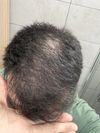
19-year-old experiencing hair loss seeks advice on treatments. Suggestions include Finasteride, Minoxidil, microneedling, hair systems, and consulting a dermatologist.
Topical pirfenidone is highlighted as an effective anti-inflammatory and anti-fibrotic treatment for hair loss, particularly in addressing perifollicular fibrosis, which may enhance the effectiveness of standard treatments like finasteride and minoxidil. The user also uses calcipotriol, MCT oil, ciclopirox shampoo, and benzoyl peroxide shampoo as part of their regimen.
A user shared their success with 1mg daily finasteride, regrowing their crown hair significantly over 15 months without side effects. The user attributes their results to being a hyper responder and did not use minoxidil or other treatments.
Significant hair regrowth was achieved over six years using Minoxidil, Finasteride, and daily 0.25mm dermarolling. Finasteride had the most significant impact, with no reported side effects.
PP405 is ineffective for miniaturized, fibrosed hair follicles in androgenetic alopecia. AMP303 may activate hair follicle stem cells, but minoxidil and finasteride are still the main treatments.
Switching from finasteride to dutasteride and oral minoxidil worsened hair thinning at the hairline and temples. The user is considering returning to finasteride, as dutasteride may not be effective for them.
Dutasteride tablets from India are significantly cheaper than those from pharmacies, but there are concerns about authenticity and customs issues. The user is also using oral minoxidil, finasteride, and RU58841 for hair loss treatment.
The user is considering a hair transplant for their crown area while taking 0.5mg of dutasteride daily. Suggestions include using 500-800 grafts, adding minoxidil to the routine, and using hair fibers to improve appearance.
Minoxidil is often applied once or twice daily for hair growth, but many find it inconvenient and switch to once daily or oral minoxidil for ease. Some users combine it with finasteride for better results, despite potential side effects.
A 35-year-old is seeking advice on hair loss treatments, considering minoxidil, finasteride, and possibly a hair transplant in Turkey. They have previously tried microneedling for a year.
Hair loss treatments like Minoxidil, finasteride, and RU58841, focusing on their effectiveness and side effects. It also highlights the disparity in medical research funding between hair loss and conditions like endometriosis.
A 25-year-old male is experiencing hair thinning at the hairline and vertex, considering using a dermapen or dermastamp, and seeking advice on whether to continue with natural remedies like onion juice and rosemary oil or start using minoxidil or finasteride. He is also looking for recommendations on microneedling devices.
Significant hair regrowth was achieved using oral finasteride 1mg, oral minoxidil 5mg daily, ketoconazole shampoo, and dermarolling. It is advised to continue this regimen for 12-18 months before considering any changes.
A person transitioning is using 2mg sublingual estradiol and 2.5mg oral minoxidil daily for hair regrowth, noting significant progress in three months. They plan to increase estrogen dosage and consider adding dutasteride, discussing the effects and challenges of transitioning.
The user is experiencing diffuse thinning and inflammation despite using 2.5mg dutasteride daily, ciclopirox, and ketoconazole shampoos. They are considering treatments like hydroxychloroquine and JAK inhibitors due to suspected scarring alopecia and have faced challenges in obtaining a scalp biopsy.
Dutasteride is often blamed for worsening hair loss, but initial shedding may lead to improvement, requiring patience. Some users find success with dutasteride, finasteride, and minoxidil, while others experience side effects or no improvement.
Dutasteride and finasteride are not effective for everyone in treating hair loss, with some users experiencing worsening conditions. Many are hopeful for new treatments like PP405, while others consider hair transplants or alternative medications.
A 22-year-old experiencing hair loss and persistent scalp itchiness since age 16 has tried various treatments, including finasteride, ketoconazole shampoo, and dietary changes, with no success. Suggestions include consulting a knowledgeable dermatologist, considering seborrheic dermatitis, and trying different shampoos like Selsun Blue or those with selenium sulfide.
The conversation is about a user's progress using oral finasteride and minoxidil for hair loss over two months. The user reports noticing small hair regrowth after the first month and discusses the convenience and cost of chewable tablets from Hims, while also addressing side effects like ED and heart palpitations.
A 38-year-old user shared progress pictures after 3.5 months of using oral dutasteride, oral minoxidil, dermastamping, and Nizoral shampoo, reporting significant hair regrowth. The user is optimistic about further improvement, while others discuss the effectiveness and side effects of these treatments.
Concerns about the potential high cost of new hair loss treatments, pp405 and gt20029, were discussed, with some users willing to pay a premium if they are effective. Alternatives like finasteride and minoxidil are mentioned as current, more affordable options, and there is speculation about future generic versions and black market availability.
The user experienced significant hair regrowth using topical dutasteride, finasteride, and minoxidil, despite inconsistent application. The combination appears effective, possibly due to reduced scalp DHT levels, allowing minoxidil to work better.
An 18-year-old is using a high-dose treatment for hair loss, including 2.5 mg dutasteride, topical minoxidil, and injectable GHK-Cu, despite minimal hair loss. Many users suggest reducing the dutasteride dose due to potential side effects and recommend starting with finasteride instead.
The user achieved significant hair regrowth using dutasteride 0.5mg for a year and oral minoxidil 2.5mg for eight months, despite initial shedding. They reported no side effects and preferred oral treatments over topicals.
A 30-year-old man shared his 3-month progress using dutasteride, minoxidil, ketoconazole shampoo, and tretinoin cream for hair loss, reporting no side effects. He also takes supplements like Vitamin D3, Calcium, Magnesium, and Zinc, and plans to add Biotin.
Users discussed their experiences with hair loss treatments, primarily finasteride (Fin) and dutasteride (Dut), often combined with minoxidil (Min) and derma rolling. Many reported mixed results, with some seeing slowed hair loss and others experiencing side effects or minimal improvement.
The user is experiencing significant hair loss after switching from finasteride to dutasteride for five months. Suggestions include that the hair loss might be a normal shedding phase, with some recommending continuing the treatment for up to 24 months or considering alternatives like RU58841.
Low vitamin D levels can negatively impact hair growth, and supplementing with vitamin D, along with treatments like finasteride and minoxidil, may help improve hair health. Quitting smoking and ensuring adequate vitamin B12 and K2 intake are also suggested to support hair regrowth.
Dutasteride and finasteride have similar risks of sexual dysfunction for treating androgenetic alopecia. Users experience varying side effects, indicating individual differences in drug reactions.