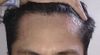
The user shared a 4-month hair loss treatment update, using Kirkland liquid minoxidil twice daily, microneedling with 1.5mm and 0.5mm needles, and applying rosemary oil twice a week. They plan to start taking finasteride and also grew a beard by microneedling and applying minoxidil to their face.
User on Dut, oral minox 20 mg, Saw Palmetto, Pumpkin Oil, RU, 8% topical minox, and topical fina for hair loss; top of head improves, but retrograde alopecia worsens. Asks for options besides exosomes and where to find topical melatonin.
A user's successful hair regrowth after 7 months of using 5% minoxidil, 1mg finasteride, and adding micro needling 4 months ago. The user also took biotin, fish oil, and collagen supplements, and reduced finasteride intake to once every 3 days due to minor libido decay.
A Korean laser helmet increases hair growth by 44% compared to a placebo. Users discuss its cost-effectiveness, clinical support, and compare it to treatments like finasteride and minoxidil, focusing on wavelength and energy density.
The conversation is about hair regrowth using topical minoxidil, microneedling, and vitamin supplements. The user is hesitant to use DHT blockers like finasteride due to concerns about hormonal side effects.
Microneedling with 5% minoxidil improves hair growth for hair loss patients. Best protocol: 1.5mm dermaroller weekly for 12 weeks or 0.6mm dermapen every 2 weeks for 12 weeks, skipping topicals for 24 hours.
The user shared their 5-month progress using oral finasteride, topical minoxidil, and weekly dermarolling for hair loss. They expressed pride in their results, receiving positive feedback from others.
Adipose-derived stem cells with ATP improved hair regrowth in male and female mice with androgenetic alopecia. The most effective treatments were low dose stem cells with ATP for males and medium dose stem cells with non-liposomal ATP for females.
Tea tree oil shampoo resolved redness, itching, and increased hair thickness for the user, suggesting demodex mites as a possible cause. Nizoral was ineffective, but tea tree oil showed significant improvement over several months.
The conversation discusses hair regrowth after a health condition, with the appearance of white substance on the scalp. Suggestions include it being sebum or White Piedra, with a recommendation to try Nizoral.
A 38-year-old male shared 5 months of hair loss treatment progress using oral finasteride, topical finasteride, topical minoxidil, microneedling, and supplements like biotin, zinc, saw palmetto, and pygeum. He is uncertain about the progress.
The conversation is about using tretinoin cream to improve minoxidil absorption for hair regrowth, specifically in the temple region. The original poster eventually stopped this treatment and switched to oral medication.
A woman experienced increased body hair and acne with minimal hair improvement after switching from topical to oral minoxidil. Suggestions included reducing the oral dose, trying spironolactone, returning to topical minoxidil, or considering laser treatment for body hair.
A 35-year-old man had a 6400 graft hair transplant in Turkey after years of baldness, using finasteride, oral and topical minoxidil, and scalp micropigmentation. He is satisfied with the progress and plans further SMP touch-ups to enhance results.
A 42-year-old user shared positive results from using oral and topical Minoxidil, Finasteride, and weekly dermarolling for hair regrowth over three months. The community responded positively, noting significant progress and discussing treatment details and concerns.
The user experienced significant hair thickening and temple hair growth after one year of using finasteride, minoxidil, and weekly dermarolling. They are considering asking their dermatologist about dutasteride.
Accepting baldness and the various ways people try to cope with it, such as shaving, using medications like minoxidil and finasteride, or getting a hair transplant. Participants discussed how true acceptance of hair loss involves confronting difficult emotions such as grief for one's former appearance and identity, as opposed to simply superficially hiding it with a shaved head.
The user is seeking help with using Ell-Cranell for hair loss treatment. They are unsure about the correct application method and dosage. They also inquire about combining microneedling with topical alfatradiol and question a study that referred to alfatradiol as a hair growth inhibitor in male mice.
The conversation discusses the possibility of transplanting leg and arm hair to the scalp for hair loss treatment. Minoxidil is mentioned as a potential aid for hair growth, but concerns about the effectiveness and appearance of body hair on the head are raised.
White spots on a bald scalp, likely tinea versicolor, can be treated with ketoconazole or selenium sulfide shampoos like Selsun Blue. Consulting a dermatologist is recommended for proper diagnosis and treatment.
A user shared their positive experience with a hair transplant in Turkey, where they received 3500 grafts. They started using finasteride, minoxidil, biotin, and ajuga reptans supplements after one month, and posted progress pictures at 1, 2, and 6 months post-transplant.
The user is using dutasteride, oral minoxidil, and topical minoxidil with tretinoin for hair loss. They are considering whether to continue this treatment or opt for a hair transplant for their temples.
A 22-year-old male experiencing hair thinning and loss, possibly due to seborrheic dermatitis or low vitamin D, is cautious about using minoxidil or finasteride due to heart palpitations and high blood pressure. Suggestions include using ketoconazole shampoo to control inflammation and focusing on treating the dermatitis first.
A user is treating their advanced hair loss with a regimen including topical finasteride, minoxidil, hydrocortisone, stem cell serum, peptide serum, multivitamins, he shou wu tea, derma pen, argan oil, and a derma roller. Replies suggest it's too early to judge progress and recommend staying consistent, with one suggesting oral minoxidil as an additional option.
The conversation discusses whether oily scalp and sebum can hinder the absorption of topical hair loss treatments like Minoxidil and Finasteride, even when using tretinoin. The user is skeptical about the effectiveness of these treatments due to their oily scalp condition.
The user improved diffuse thinning without finasteride by using minoxidil foam, cold showers, gentle hair drying, 2% ketoconazole, sulfate-free tea tree oil shampoo, dermastamping, and supplements like Omega-3, Vitamin-D, Biotin, Keratin, Collagen, B3, Zinc, and Magnesium. The regimen was followed for about six months under dermatologist guidance.
User shares progress after 2 months using finasteride, nizoral shampoo, and microneedling for hair loss. Comments discuss early treatment, results, and differing opinions on starting treatments.
A 21-year-old is using Dualgen-5R (minoxidil and tretinoin) and weekly dermarolling to address hair loss, noticing some progress after three months. They plan to add an anti-androgen like RU58841 or Kx826 for better long-term results.