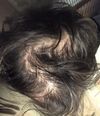
Diluting topical finasteride with coconut oil is discussed, with a suggestion to use topical minoxidil for a combined treatment. OP plans to try the minoxidil combination.
The user shared progress after two months of using finasteride, serioxyl, and NOOANCE casque Pro for alopecia. They are documenting their hair loss treatment journey.
The user has been using topical minoxidil (5%) for two years and kx826/pyrilutamide for one year, after experiencing side effects from finasteride. They report positive results from the combination of minoxidil and kx826 in combating hair loss.
The user was prescribed 0.3% topical finasteride with 5% minoxidil for use on the temples twice daily, while continuing minoxidil on the full scalp. Replies suggested using the treatment once daily and questioned the logic of treating only the temples, with one suggesting dilution for use across the entire scalp.
The user reported using 1.1 mg finasteride, 5 mg minoxidil, 1 mg biotin, dermastamping twice a week, and Nizoral shampoo and anti-itch liquid. The replies praised the progress and suggested a follow-up at six months.
After one month of treatment with finasteride, minoxidil, dermarolling, ketoconazole shampoo, hair vitamins, and vitamin D3, the user reports minimal visual progress and increased shedding, but notes stronger body hair and light fuzz on eyebrows. The user is inquiring about potential hair regrowth.
Exploring the potential of using Verteporfin to grow follicles in combination with microneedling, as well as the cost of administering a single injection and the possibility of combining it with minoxidil.
A user shared their hair regrowth success using microneedling with a dermaroller every 6 days and minoxidil, recommending betadine (povidone-iodine) before microneedling to sterilize the scalp and enhance results. Another user noted the potential risks of iodine toxicity.
The user has been using topical minoxidil 8% and finasteride 0.3% for six months, along with 2% ketoconazole shampoo and microneedling. They are experiencing some hair regrowth and hope for thicker hair by next year.
The post discusses a hair loss treatment regimen including oral finasteride, topical minoxidil, a rejuvenating scalp serum with caffeine, rosemary, and ginger, topical ketoconazole, saw palmetto, and derma rolling. The user seeks advice for scalp pimples and irritation.
Betnovate and mometasone furoate were tried for scalp issues, but Zoryve and Selsun shampoo were recommended for relief. Itraconazole was suggested for stronger treatment if topicals fail.
The user has been treating hair loss for 7 months using a combination of pyrilutamide, a topical mix of finasteride and minoxidil, microneedling, a topical mix of GHK-Cu and minoxidil, ketoconazole shampoo, fish collagen peptides, zinc, and vitamin D3. Another user suggests that continuous small improvements could lead to significant hair regrowth over time.
A user expressed disappointment that their hair loss worsened after 11 months using topical finasteride with TrichoSol, despite no side effects and initial signs of improvement. They asked for advice and opinions on their treatment and alternatives, with suggestions including switching to oral finasteride or dutasteride, starting minoxidil, and addressing their seborrheic dermatitis with different shampoos or medical advice.
Scalp biopsies are crucial for diagnosing hair loss conditions like Diffuse Unpatterned Alopecia (DUPA) and retrograde hair loss, as treatments like finasteride and dutasteride may not be effective if other conditions are present. Combining PPAR-GAMMA agonists with retinoids could improve treatments for conditions like Lichen Planopilaris.
The user is using topical finasteride, minoxidil, nizoral shampoo, and microneedling for hair regrowth but hasn't seen results after 2-3 weeks. They added tretinoin to their routine and are advised to wait a few months for potential changes.
User experienced scalp irritation from Kirkland 5% liquid minoxidil, likely due to propylene glycol. They are seeking non-PG liquid alternatives that are affordable.
The user has been using topical Minoxidil (5%) and finasteride (0.1%) twice daily for 2 months, with occasional missed applications. They also use a zinc pyrithione shampoo every 2 days and do not dermaroll.
The user experienced no regrowth after nine months on minoxidil and developed red bumps after starting finasteride. They also use Nizoral 2%, which helps slightly, but minoxidil causes intense itching.
The conversation discusses how to use fluridil/topilutamide with other hair loss treatments like liquid minoxidil and CB-03-01, considering fluridil's hydrophobic nature and potential degradation with water. The user questions the necessity of washing hair only once per week as suggested by the manufacturer.
The user is experiencing irritation from using PG with RU58841 and is seeking alternative solutions like K&B in the UK. They report redness, itchiness, and flaky skin from the current treatment.
The conversation discusses a 4-month hair loss treatment progress using RU58841, topical Minoxidil, ketoconazole shampoo, and micro-needling. The user shares progress pictures taken at the start, after 1 month, and the current state, all under the same conditions.
Topical melatonin was found to significantly increase hair density and decrease scalp conditions like seborrheic dermatitis. The user is considering using it alongside finasteride and oral minoxidil for treating hair loss and scalp health.
The conversation discusses the effectiveness of finasteride and microneedling for treating hair loss. The linked article is seen as an advertisement for these treatments.
A user shared their 115-day progress in treating hair loss using 5% Minoxidil, topical Finasteride, biotin, microneedling, and collagen peptides. They reported visible improvement and no side effects from topical Finasteride, unlike the oral form.
The user increased finasteride to 1mg daily, stopped using ketoconazole and pyrithione zinc shampoos, and started using regular pH balanced shampoo with tea tree oil, rosemary/peppermint oil, and microneedling. They are now seeing new hair regrowth at the hairline and temples.
PP405 shows promise for hair regrowth, with new hairs observed in 66% of patients in just 27 days. The discussion also mentions Minoxidil, finasteride, and RU58841 as potential treatments.
The user "_Mad_Jack_" shared their progress pictures of using topical finasteride and minoxidil for 11 months. They experienced good hair retention and increased overall hair count, but no regrowth of the hairline. They are considering switching to oral finasteride and microneedling for better results. Testicular pain was a side effect experienced during the treatment. Another user mentioned getting a hair transplant to cover their crown.
Follicopeptide (FOL005) by Coegin Pharma will launch as a cosmetic hair growth treatment by Q2 2025, showing similar efficacy to finasteride. Users discuss the benefits and skepticism of releasing hair loss treatments as cosmetics rather than drugs.
