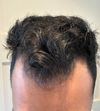
A user discussed using KeraXL serum for hair loss, which contains Biochanin-A from Red clover extract and Acetyl Tetrapeptide-3. They sought feedback on its safety and effectiveness.
The conversation is about someone's hair regrowth after 1.5 months using natural treatments, specifically a dermaroller and a mix of peppermint, pumpkin seed, and rosemary oils. A reply congratulates them and encourages them to maintain their routine.
The conversation discusses hair loss treatments, including minoxidil, finasteride, biotin, folic acid, zinc, micro-needling, niacin, and cipaxil, with the user preparing for a hair transplant. The user experiences side effects with topical finasteride and is hesitant to try oral dutasteride.
The conversation discusses the potential of Replicel/Shiseido treatment for hair loss, questioning its effectiveness, whether it grows new follicles, and its market release timeline. It also compares Replicel to other competitors like Kyocera/RIKEN/Tsuji.
The user is documenting their hair regrowth journey using oral finasteride, topical minoxidil, ketoconazole, dermarolling, biotin shampoo, and rosemary oil. They are committed to maintaining this regimen to track progress.
The conversation discusses Kevin's accurate information on hair loss treatments and highlights Dr. Bloxham's ongoing work with Verteporfin on FUT scars, suggesting people follow Dr. Bloxham's YouTube for updates. It also thanks Haicafe and Melvin from the hair restoration network forum for their contributions.
A 29-year-old is using 5% topical minoxidil, 5 mg oral minoxidil, 1 mg finasteride, Nizoral shampoo, and weekly microneedling to treat hair loss, reporting significant progress in hair regrowth and hairline improvement. The routine includes applying minoxidil twice daily, managing dead skin with shampoo, and using a baseball cap to maintain hair appearance.
A user shared their disappointing results after 1.5 years of hair treatments, including a hair transplant, finasteride, minoxidil, PRP, vegan shampoo, and more. They are considering switching to dutasteride, oral minoxidil, and improving their microneedling routine.
A 26-year-old male experienced hair thinning since age 18 and tried various treatments, including topical minoxidil, oral finasteride, and a hair transplant. He is currently using topical finasteride, minoxidil, tretinoin, hydrocortisone, and oral dutasteride, and is satisfied with the results 6.5 months post-transplant.
A user is experiencing hair thinning and is using a peptide with oleanic acid as a DHT blocker, along with minoxidil, while waiting for topical finasteride. They plan to use a combination of minoxidil, finasteride, dermastamp, ketoconazole, and scalp massages, but are advised to stick to proven treatments like finasteride and minoxidil.
The conversation discusses microneedling techniques and the use of Minoxidil, copper peptides, EGF, FGF, ceramides, and hydration serums to enhance hair growth. It explores optimizing scalp conditions and the potential benefits of various compounds in conjunction with microneedling.
The conversation discusses impressive hair regrowth results using finasteride, minoxidil, and microneedling over 20 months. Some users suspect a hair transplant or hair system, while others inquire about specific product details and side effects.
A user on finasteride, minoxidil, dermastamp, and Nizoral is seeing baby hairs and asks if it's regrowth. Another user confirms it is regrowth and encourages them to continue.
A user shared a 10-month hair loss treatment update using oral dutasteride, topical minoxidil, topical finasteride, microneedling, biotin, and saw palmetto. Replies praised the progress and suggested additional treatments like tretinoin and RU58841.
An 18-year-old experienced hair regrowth using 5% liquid minoxidil and plans to start finasteride at 19. The user noticed thicker hair and new growth, particularly around the temples, and feels more confident.
PP405 shows promise in activating dormant hair follicles and increasing hair counts but lacks detailed efficacy data compared to minoxidil and finasteride. Opinions are mixed, with some optimism and skepticism about its effectiveness.
A 21-year-old experiencing hair loss since age 16 is using 1mg dutasteride, 5mg minoxidil, and Nizoral, with occasional microneedling, but stopped microneedling due to scalp inflammation. They report some patchy regrowth, with stronger results at the front than the midsection.
Microneedling for hair loss involves using a derminator pen at a depth of 1-1.5mm, typically once a week or biweekly, with a 12-24 hour wait before applying minoxidil. Cleaning involves alcohol wipes, and it's advised to change needles after each use and avoid styling products on the day of microneedling.
AHK and GHK are discussed for hair growth in the crown area, with questions about side effects and safety after microneedling. Users share experiences and concerns about these treatments.
ET-02, a new hair loss treatment, shows promising results with a 6-fold increase in hair count, potentially outperforming minoxidil by activating stem cells in hair follicles. Further trials are ongoing to confirm its efficacy and safety, with potential market release in the future.
A female user with chronic anemia and vitamin deficiencies is experiencing finer, straighter hair and seeks recommendations for scalp products to improve circulation and prevent potential hair thinning. She is considering growth oils but is unsure of their effectiveness.
The user reports 8 months of hair growth progress using 1mg Finasteride daily, 5k biotin daily, Nizoral 1% biweekly, a multivitamin daily, and Vitamin D 2000IU daily, with pictures provided for reference. Commenters discuss the improved thickness and length of the hair, with some suggesting a buzz cut for better comparison, which the user declines.
A user's successful 6-month journey with Minoxidil, Finasteride and 0.05 Derma Rolling to regain their hairline, eyebrows, facial hair and overall youthful look. They also discussed the use of topical minoxidil for eyebrow thickening, as well as other skincare routines and healthy lifestyle habits.
The user shared their seven-month hair loss progress using minoxidil, finasteride, biotin, ketoconazole shampoo, and a dermaroller, reporting no side effects and recommending the routine before considering a hair transplant. They use topical treatments daily and wash their hair every two to three days, with plans to continue the routine for another five months.
The conversation is about a group of people trying KX-826 for hair loss, with no serious side effects reported after 25 days of use. Some participants are experiencing less scalp itch and shedding, but it's too early for definitive results.
Hair loss is linked to the loss of stem cells in hair follicles, and potential treatments include gene editing and microneedling. Discussions also mention using Minoxidil, finasteride, and dermarolling to improve hair growth.
The post and conversation are about a user's 6-month progress using topical dutasteride, 8% minoxidil, tretinoin, 2% ketoconazole shampoo, microneedling, oral finasteride, pumpkin seed oil, Vitamin D3, a men's multivitamin, rosemary oil, and 5% minoxidil foam for hair loss treatment.
The conversation discusses potential hair loss treatments, including Setipiprant, Bimatoprost, and Follicept. The user encourages signing up for Follicept, which may come to market soon.
A user shared progress pictures after 6 months of using oral finasteride, minoxidil, ketoconazole, and occasional derma rolling for hair loss. Another user complimented the hair improvement but suggested a different hairstyle.
Hair growth relies on mechanical forces, not just chemicals, with tissue acting like a motor. Minoxidil and finasteride help, but maintaining tissue elasticity and addressing mechanical issues are essential.