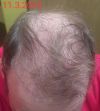
Buzzing or shaving your head can boost confidence and save money on hair loss treatments. Some prefer treatments like finasteride and minoxidil to maintain their hair.
Minoxidil and finasteride are effective for hair loss, but natural oils like pumpkin seed oil and saw palmetto are not proven to be effective. Topical finasteride may be an option for those who cannot tolerate oral finasteride.
Procapil is marketed as a natural hair loss treatment but lacks strong evidence and is industry-biased. Minoxidil and Finasteride are the only FDA-approved treatments for androgenetic alopecia.
A young person is distressed about rapid hair loss despite using finasteride and recently starting oral minoxidil. Many suggest continuing treatment, considering dutasteride, and seeking therapy for mental health support.
The user replaced finasteride with saw palmetto due to availability issues and experienced side effects, leading to adjustments in their regimen. They use saw palmetto, minoxidil, Nizoral, and a dermaroller, reporting reduced side effects and some benefits, with hair fall ranging from 5 to 20 hairs daily.
A 49-year-old male has been using finasteride for over two years, experiencing slow but steady hair regrowth without side effects, and is considering a hair transplant. He is hesitant to add minoxidil due to potential side effects and application hassle.
The user has been using finasteride for over a year without improvement and recently started oral minoxidil. Suggestions include trying dutasteride and continuing minoxidil for potential regrowth.
A 22-year-old male is frustrated about being the only bald person in his social circle. He has tried minoxidil, finasteride, and dutasteride without success and is considering hair systems, transplants, or counseling.
A user is struggling with hair loss at 17 and has been using finasteride for 5 months and minoxidil for 11 months without seeing regrowth. Other users encourage continuing treatment, sharing their own experiences with finasteride, minoxidil, and dermarolling, and emphasizing patience and acceptance.
The user has been using finasteride for 7 months, minoxidil for 10 months, and dutasteride for 4 months with minimal results and is considering stopping treatment. Replies suggest continuing treatment, adding microneedling, and checking DHT levels.
A user is seeking advice on hair loss treatment and has been prescribed finasteride. They currently use minoxidil, rosemary oil, and castor oil, and are considering adding dermarolling. Respondents suggest daily use of minoxidil and finasteride, with some recommending additional treatments like ketoconazole shampoo, dermapen, dutasteride, and vitamins.
The conversation is about a user's experience with finasteride not improving their hair loss and considering dutasteride as a last resort. Some users believe the user's hair appears stabilized, while others suggest surgery or patience, and one mentions heart issues as a reason for not using minoxidil.
A person with hair loss since COVID-19 is considering treatments like finasteride and minoxidil but is hesitant due to potential side effects. Suggestions include visiting a dermatologist, using a ketoconazole shampoo, and considering that post-COVID hair loss might be an autoimmune response.
A user shared their 2-year hair loss treatment journey using 1mg finasteride daily, 2ml minoxidil daily, Nizoral shampoo 2-3 times a week, recently added dutasteride twice a week, and microneedling once a week. They've seen improvement in their hair and advise consistency with medication, with some users responding positively to the progress.
The conclusion of the conversation is that the user should consider using treatments such as finasteride, minoxidil, and RU58841 to potentially reverse their hair loss. Other suggestions include using hair loss concealers and maintaining a healthy diet.
The effectiveness of Dutasteride compared to Finasteride in treating hair loss, with evidence given such as studies and experiences, as well as discussion around whether one should switch from Finasteride to Dutasteride. There is also a discussion on post-Dutasteride syndrome.
This user has achieved impressive results after 5 months of using Finasteride and Minoxidil, which appear to have stopped hair loss and stimulated new growth. They have also incorporated derma pen treatments and supplements such as Zinc picolinate and DMAE into their regimen.
Microneedling for hair restoration involves daily use of a 0.3 mm device and weekly use of a 0.5 mm device. Combining microneedling with Minoxidil can enhance hair growth.
Man experiences happiness after seeing himself with hair, discussing treatments like transplants, hair systems, Minoxidil, and Finasteride. Users share experiences, societal expectations, and desire for accessible solutions.
Young men are advised to delay hair transplants until after age 25, using finasteride, minoxidil, and dermarolling to manage hair loss. Concerns about unethical doctors highlight the need for careful planning.
Hair loss treatments discussed include finasteride, minoxidil, and dermarolling. Users advise patience, noting initial shedding is common and treatments take time to show results.
Male androgenetic alopecia is commonly treated with topical minoxidil and oral finasteride, both requiring continuous use. Other options include hair restoration surgery, dutasteride, light therapy, and camouflaging agents.
The conversation is about comparing keratin hair fibers to Gossypium Herbaceum hair fibers for diffuse hair loss. The user prefers keratin fibers for their durability and is seeking a bulk purchase option.
Keratin microspheres may offer additional mechanisms to combat hair loss compared to minoxidil. The process to create these microspheres is relatively simple and can be done at home with basic equipment.
Keratin fusion bonds are discussed as an alternative to clip-on hair patches for men with diffused thinning. The conversation explores different styling options for hair loss.
OP is considering using a keratin gel to improve hair quality and is concerned about its safety and visual impact on a slightly balding crown. Users discuss shampoo frequency, with some suggesting less frequent use for better hair health, but OP prefers regular shampoo and conditioner for silky hair.
A new hair loss treatment involving Keratin Microsphere Gel is discussed, with skepticism and jokes about its effectiveness and comparisons to other treatments. Users are doubtful and make light of the situation, referencing past disappointments and the study's focus on mice.