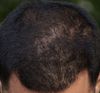
Considering a hair transplant, using Pyrilutamide, the potential availability of CosmeRNA, and the significance of taking Minoxidil and Finasteride for long-term results.
PP405 from Everychem is likely fake and potentially harmful, with concerns about its stability and the risk of using the wrong MPC inhibitor, which could damage hair follicles. The real PP405 was studied under strict conditions, and DIY attempts are discouraged due to unknown formulation and quality control.
Finasteride, Minoxidil, Bioneer CosmeRNA, Technoderma, Kintor, Hope, Breezula, and Follicum treatments showed increases in hair count, with Technoderma showing the highest increase at 24.3 hairs/cm². Amplifica has not yet published results.
The conversation discusses the potential role of prolactin in hair loss and mentions treatments like HMI115, mucuna pruriens, Zinc, and B6 P5P for lowering prolactin levels. It also touches on the use of natural compounds and the lack of studies due to funding issues.
A 30-year-old shared their 7-month hair regrowth progress using topical minoxidil twice daily, 1 mg finasteride daily, and weekly microneedling. Users discussed the effectiveness of these treatments and suggested adding retinol for better results.
The conversation is about selling KY19382 powder, a novel activator of Wnt/β-catenin signaling, and Kolliphor EL liquid for vehicle formulation. The seller offers worldwide shipping.
Hair loss treatments discussed include dermarolling, minoxidil, finasteride, and RU58841. Some users find dermarolling sad, while others mention the complexity of biological systems and limited research funding for hair loss.
AnagenInc is ready to produce a hair loss treatment called GT20029 if there is enough demand. People are discussing combining it with other treatments like finasteride and minoxidil, and some are concerned about the legitimacy and safety of gray market products.
Hair follicles can be dormant and potentially revived with treatments like finasteride and minoxidil, but irreversible loss occurs if certain structures are destroyed. Early intervention is more effective, and additional methods like microneedling may help.
Hair loss treatments and celebrity hair maintenance, mentioning finasteride, minoxidil, RU58841, biotin, ketoconazole, saw palmetto, dutasteride, and Nutrafol. The tone is satirical, speculating on celebrities' use of hairpieces and transplants.
SCUBE3 and GT20029 are potential treatments for hair loss, with SCUBE3 stimulating hair growth and GT20029 protecting against DHT. A combined approach using SCUBE3, finasteride or dutasteride, and later GT20029 could provide a comprehensive treatment for androgenetic alopecia.
The conversation is about optimism for new hair loss treatments like Stemson's bioengineering, osteopotin, SCUBE3, GT20029, and Verteprofin, and inquires about other notable treatments.
User reports 12-week progress with HIMS spray, Minoxidil, micro-needling, and biotin. Notable baby hairs on crown and temples, hoping for further improvement.
Microneedling can promote hair growth, but there is uncertainty about the best practices, including needle length, device, and session frequency. Users discuss using needle lengths between 0.5mm and 1.5mm, with some experiencing pinpoint bleeding, and emphasize the need for more reliable resources and guidelines.
A 19-year-old has been using finasteride, minoxidil, and microneedling to treat hair loss with no regrowth, feeling mentally affected by it. Advice given includes continuing treatment, considering a hair transplant, addressing potential vitamin deficiencies, and possibly switching to dutasteride or adding ketoconazole shampoo.
Minoxidil alone is not effective for significant hair regrowth; combining it with finasteride or dutasteride is necessary. Additional treatments like hair transplants, microneedling, or oral medications are recommended for better results.
A Phase 1 update for the HMI 115 clinical trial, which involves 16 participants and is expected to end in July 2023; as well as changes to the recruitment process, including treatment protocols with Minoxidil, Finasteride, and RU58841.
The potential of lowering prolactin levels to regrow hair, with a reference to Bayer's drug HMI 115 which has been indicated as having this effect. Treatments mentioned include Minoxidil and Finasteride, as well as RU58841.
Maintaining a healthy lifestyle is crucial for hair health, and relying solely on treatments like Minoxidil, finasteride, or RU58841 without addressing overall health may not be effective. External treatments alone cannot compensate for poor health habits.
Staying positive and managing stress may slow hair loss, but treatments like finasteride, minoxidil, and dutasteride are essential for managing male pattern baldness. Stress can accelerate hair loss, but genetics play a significant role, and early treatment is crucial.
The conversation discusses GT20029, a new topical drug for hair loss and acne without notable side effects, which has been accepted for investigational use in China. Some users express skepticism about the legitimacy of the company and the potential for other drugs like RU58841 to be developed due to patent expiration and lack of profitability.
The user is using testosterone and finasteride to prevent hair loss and is considering adding Primobolan or Masteron, which are DHT-derivatives. They are seeking advice on their genetic risk for male pattern baldness and whether they can safely use these compounds without significant hair loss.
The conversation discusses verteporfin as a potential treatment for hair regeneration, which could lead to unlimited hair transplants by healing the donor area. Some users are considering using verteporfin now, while others are hopeful it will be available for future hair transplants.
Hair loss can be influenced by chronic low-level allergies, and treatments like fexofenadine or topical cetirizine may help with regrowth. The user avoids finasteride, dutasteride, and minoxidil, and has tried Regenera Activa and PRF sessions.
A 39 year old male who has been balding since 23 and is intolerant to finasteride, using microneedling with Derminator 2 once per week and minoxidil foam twice daily in an effort to increase thickness of vellus hairs on the crown and maintain hairline.
PP405 shows promise in activating dormant hair follicles and increasing hair counts but lacks detailed efficacy data compared to minoxidil and finasteride. Opinions are mixed, with some optimism and skepticism about its effectiveness.
PP405 is discussed as a potential hair growth stimulant, possibly more effective than minoxidil, but not a cure for hair loss. There is skepticism about its ability to regrow "deadzones," and concerns about its impact on those with hair transplants.
The user is frustrated with hair regrowth despite using finasteride, minoxidil, dutasteride, RU58841, ketoconazole shampoo, and dermastamping. Others suggest improvement, advise against overmedication, and recommend consulting a doctor or considering a simpler regimen or hair transplant.
AMP-303 and AMP-601 are new hair loss treatments targeting dermal papilla cells, with AMP-303 showing early efficacy in transitioning vellus hairs to terminal hairs after one injection. Further clinical trials are planned, and these treatments are seen as promising due to their biologic approach and less frequent application compared to daily treatments.
Stopping hair loss treatments like finasteride and minoxidil can result in losing regrown hair, highlighting the importance of consistent use. Restarting these treatments may cause temporary shedding, but hair can regrow with continued use.