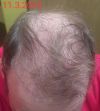
The user has been using 1mg of Finasteride daily and vitamins for a month, noticing hair growth, especially at the temples. They plan to share their two-month progress in the future.
A user accidentally discovered that applying vitamin E oil to their scalp significantly reduced their hair shedding for about 1.5 weeks. They reported improved hair quality and a drastic decrease in hair loss after treatment.
A user shares their hair loss treatment regimen, which includes oral finasteride, oral and topical minoxidil, RU58841, LLLT cap, microneedling, ketoconazole shampoo, biotin, vitamin D3, NAC supplement, MK677, collagen, and other hair care products. They seek opinions on its effectiveness.
Hair loss treatments include finasteride and spironolactone. Low vitamin D levels may contribute to hair loss, and normalizing levels could potentially help regrowth.
A 33-year-old male shared his hair regrowth journey, using minoxidil, dermarolling, hair brushing, scalp oils, dietary changes, and supplements. After five months, he started finasteride to improve hair thickness.
A topical solution called "Multi-Peptide Serum for Hair Density" by The Ordinary Company, which contains several ingredients that are used in alternatives to Minoxidil and was found to have better results than 5% Minoxidil in a study. People who have tried it shared their experiences with the serum as well.
Minoxidil use may worsen seborrheic dermatitis, causing itching and dandruff. Users consider stopping minoxidil or switching to foam to improve scalp condition.
User had a 5000-hair FUT procedure in South Korea in 2014 and is satisfied with results. Uses Minoxidil, dermarolling, and Toppik hair fibers for crown area, and considering Finasteride.
The conversation discusses the effectiveness of Azelaic acid for hair loss, suggesting it may make Finasteride an outdated treatment for male pattern baldness. Specific treatments mentioned include Minoxidil, Finasteride, and RU58841.
A 21-year-old male is experiencing crown balding and is using RU58841, topical minoxidil, and plans to add dutasteride and oral minoxidil to his treatment. He seeks advice on increasing his treatment stack despite previous side effects like chest pain.
A 26-year-old is considering embracing baldness after mixed results and side effects from using dutasteride, minoxidil, and finasteride for hair loss. Suggestions include trying new hairstyles, considering a hair transplant, or focusing on self-acceptance.
Avoid clinics that push for more grafts than necessary, as it can lead to unnecessary costs and damage to the donor area. Trust reputable clinics and be cautious of those using celebrity endorsements or offering suspiciously low prices.
The user replaced finasteride with saw palmetto due to availability issues and experienced side effects, leading to adjustments in their regimen. They use saw palmetto, minoxidil, Nizoral, and a dermaroller, reporting reduced side effects and some benefits, with hair fall ranging from 5 to 20 hairs daily.
The user applies Rogaine foam, Toppik hair fibers, and Tresemme mousse to improve hair appearance and has restarted finasteride after a year off. They are considering a hair transplant and are working on self-esteem related to hair loss.
A 47-year-old male experienced significant hair loss after losing 37 kg in 6 months on a low-carb diet and started taking biotin, zinc, iron, selenium, and spectral dcn-n. Replies suggest that while carbs are not directly needed for hair growth, they help regulate hormones and nutrient absorption, and rapid weight loss can also contribute to hair loss.
A 36-year-old considering a fourth hair transplant is advised to either shave his head or use a hair system due to poor results from previous transplants and late medication use. He plans to consult top surgeons and adjust his current treatments, including finasteride and minoxidil.
The user has been using finasteride for 7 months, minoxidil for 10 months, and dutasteride for 4 months with minimal results and is considering stopping treatment. Replies suggest continuing treatment, adding microneedling, and checking DHT levels.
A user is seeking advice on hair loss treatment and has been prescribed finasteride. They currently use minoxidil, rosemary oil, and castor oil, and are considering adding dermarolling. Respondents suggest daily use of minoxidil and finasteride, with some recommending additional treatments like ketoconazole shampoo, dermapen, dutasteride, and vitamins.
The conversation is about someone who has been taking finasteride for hair loss without success, considering switching to dutasteride or giving up treatment. Suggestions include trying dutasteride, microneedling, infrared therapy, multivitamins, and high-concentration topical solutions combining finasteride and dutasteride.
This conversation is about a user who used finasteride and minoxidil over the course of three years to treat their hair loss, and they achieved great results. They experienced severe shedding when first beginning treatment but eventually saw very noticeable results after one year.
User experienced hair growth after 1.5 months using Fin, 1 month using Min, and microneedling. They use liquid Rogaine twice daily, microneedle with a .4 mm dermaroller, and take oral Fin once a day.
Hair loss treatments discussed include finasteride, minoxidil, and dermarolling. Users advise patience, noting initial shedding is common and treatments take time to show results.
The post discusses a 10-year battle with hair loss using treatments like biotin, Rogaine, Dualgen 15% Minoxidil, dermaroller, and various skin care products. Despite some side effects, the user maintains a full head of hair and is considering a hair transplant in the future.
A potential non-invasive topical treatment targeting the WNT Signaling Pathway for hair regeneration is being researched, with positive results on human hair follicle cells. Current effective treatments for hair loss include Minoxidil, finasteride, and hair transplantation.
Osteopontin, a protein involved in hair growth on moles, may help with hair loss. However, it is also linked to Alzheimer's, cancer, and bone development, so caution is advised.
Scientists have grown natural-looking hair from stem cells, potentially revolutionizing hair growth treatments. Concerns include cost, DHT resistance, and the need for future procedures.
KPV, a peptide patented by L'Oreal, may promote hair growth and reduce hair loss by extending the anagen phase and has anti-inflammatory properties. It could be combined with treatments like minoxidil for enhanced effects.
Hair loss may be linked to the TRPS1 gene and protein, not just DHT. Amplifica's AMP-303 targets mesenchymal stem cells and shows promise in treating hair loss, unlike Pelage's PP405.