Search
for
Sort by
Community Join
600-630 / 1000+ resultscommunity We need to keep these snake oil companies accountable.
Biotin is being misleadingly marketed as a primary treatment for androgenic alopecia, overshadowing more effective treatments like finasteride and minoxidil. There is a call for increased awareness and accountability to prevent misinformation.
community Second shed, non-stop flaking, itching
The user is experiencing a second hair shedding phase and increased flaking and itching while using minoxidil 5% nightly and microneedling every two weeks, with needle length increasing over time. Other users suggest the hair loss may continue without the use of finasteride.
community Fighting Hair Loss without Finasteride?
A user discusses fighting hair loss without finasteride, using minoxidil, ketoconazole shampoo, saw palmetto, pumpkin seed oil, pygeum, stinging nettles, biotin, a boar bristle brush, and a derma roller. Replies suggest finasteride is necessary for effective hair loss prevention.
community Have we become too obsessed with DHT??
Focus on scalp health, not just DHT suppression, is crucial for hair regrowth. Effective treatments include Hair Restoration shampoo, LLLT laser cap, microneedling, and topical finasteride.
community 1.5 year update - Fin, Min, keto shampoo, micro needling
A user shared their 1.5-year hair loss treatment progress, using finasteride, minoxidil, ketoconazole shampoo, and microneedling. They noticed improved hair health and growth, especially when consistently following their treatment routine.
community DIY copper peptide for microneedling?
The conversation is about using DIY copper peptide (GHK CU) serum for microneedling to address hair loss, with additional treatments including Nizoral for DHT reduction and red light therapy. The user is considering adding Minoxidil but is concerned due to having cats.
community Microneedling, Nanoxidil, and Rosemary Oil
The user treated their hair loss with microneedling, nanoxidil, rosemary oil, jojoba oil, scalp massages, keto shampoo, and supplements. They experienced significant hair regrowth and a reduction in hair shedding within 8 weeks.
community I tried salt water to stop the DHT itch
Treating the itch associated with male pattern baldness, which is believed to be caused by DHT. Potential treatments discussed include salt water, finasteride, ketoconazole, and RU58841.
community Switching over to oral Dut and adding RU and Keto enriched Min and after 4 months of use the DHT itch is still there. It’s killing me. What else to do?
The user switched to oral Dutasteride, added RU58841, and used Ketoconazole-enriched Minoxidil but still experiences scalp itch and hair loss after 4 months. They are advised to give Dutasteride more time, consider seeing a dermatologist, and explore other topical solutions.
community Pelage Pharmaceuticals’ PP405 and its Impact on Follicular Regeneration to be Presented at the American Academy of Dermatology (AAD) Annual Meeting 2026 28th march
Pelage Pharmaceuticals' PP405 aims to treat hair loss by reactivating dormant hair follicle stem cells, showing promising results in early trials. The company plans to present their findings at the American Academy of Dermatology Annual Meeting in 2026.
community Almost 3 months finasteride, minoxidil, and ketocornizol shampoo.
The conversation is about someone experiencing significant hair regrowth after nearly three months using finasteride, minoxidil, and ketoconazole shampoo. Specific treatments mentioned include finasteride, minoxidil, and ketoconazole shampoo.
community How I managed to reduce my hair shedding (in only a month, after 10 years!)
Using spirulina and chlorella to boost ferritin and iron levels reduced hair shedding by more than half in a month. The user found these natural supplements more effective than regular iron tablets for hair growth.
community 3 month dutasteride mesotherapy (3 session) . Minoxidil 2.5 month ( changed the brand 25 days ago) / ketoconazol shampoo
The user is experiencing significant hair shedding after 3 months of dutasteride mesotherapy, 2.5 months of Minoxidil, and using ketoconazole shampoo. They are concerned about the shedding but plan to continue the treatment.
community Waterman's Grow Me Shampoo - Snake Oil?
A user has been using Waterman's Grow Me Shampoo, which claims to have DHT blockers and promote hair growth. They've noticed potentially faster hair growth and some new hairs but are unsure if the product is effective or not.
community Finasteride completely stopped itching on my scalp
Finasteride stopped scalp itching and improved hair health, likely due to reduced DHT. Users discussed the relationship between DHT, itching, and hair loss, with some mentioning minoxidil and antifungal treatments like ketoconazole.
community 2 months min and 2% keto shampoo. Had also been on fin for a year.
The user experienced thicker hair with finasteride and new hair growth with minoxidil and 2% ketoconazole shampoo. They reported no side effects from finasteride.
community 7 Months Progress Finasteride + Minoxidil + Keto Shampoo & Conditioner
User reports 7 months progress using Finasteride, Minoxidil, and Keto Shampoo & Conditioner, with positive results and no side effects. Others in the conversation congratulate the user and discuss the effectiveness of the treatments.
community TCA 35% chemical peel, don't try this shit at home.
The conversation discusses using a TCA 35% chemical peel on the scalp to potentially improve hair growth by addressing fibrosis and enhancing the effectiveness of topical treatments. The user also mentions trying microneedling and other methods like topical metformin and dutasteride for hair regrowth.
community Fixing DHT Itch (scalp inflammation) with Aloe Vera gel & more
Aloe vera gel can help reduce scalp inflammation and "DHT itch" associated with hair loss, particularly in those with androgenic alopecia and seborrheic dermatitis. It's suggested to use aloe vera alongside treatments like finasteride and ketoconazole shampoo to manage symptoms and promote scalp health.
community We need to talk about DHT itch
DHT Itch and its link to balding, with various treatments such as finasteride being discussed. Members shared their experiences of scalp itch before and after taking 5AR inhibitors, and potential underlying causes such as seborrheic dermatitis were discussed.
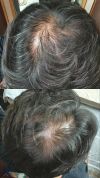
community 24M with crown thinning and oily scalp - shampoo recommendations and whether to start minoxidil again?
A 24-year-old male with crown thinning and an oily scalp is seeking advice on shampoo recommendations and whether to restart minoxidil or try a hair growth serum. He is concerned about daily shampooing and managing greasy hair.
community 22M Losing hair since 16, nothing helps, scalp always itchy. Just fed up.
A 22-year-old experiencing hair loss and persistent scalp itchiness since age 16 has tried various treatments, including finasteride, ketoconazole shampoo, and dietary changes, with no success. Suggestions include consulting a knowledgeable dermatologist, considering seborrheic dermatitis, and trying different shampoos like Selsun Blue or those with selenium sulfide.
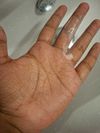
community 23M, switched topical solution and experiencing increased shedding
A 23-year-old male switched to a topical solution containing Fin 0.1% and Min 5% from a previous solution with Fin 1% and Min 5%, noticing increased hair shedding. He is concerned about losing around 50 hairs while using ketoconazole shampoo.
community Best Sources for High Purity Ru58841
The conversation is about finding high-purity RU58841 solutions for hair loss treatment, with mentions of Anagenic, Selleckchem, MV Supplement, and rudirect.co.uk as potential sources. Users discuss their experiences and preferences regarding product quality and shipping.
community Hair gel makes my hair look terribly unhealthy?!
Avoid hair gel; use sea salt spray, matte clay, or styling powder for volume. Use finasteride and minoxidil for hair loss.
community Does the ordinary multi peptide hair serum contain redensyl?
User wants to buy TO hair serum with redensyl but found a website not listing redensyl in ingredients. No specific treatments mentioned.
community Beginning my hair treatment journey
A 19-year-old noticed hair thinning and mild receding hairline, opting for a treatment regime excluding finasteride and minoxidil. The regime includes derma rolling, rosemary and coconut oil, a massage comb, a DHT-blocker shampoo, and vitamins B12 and Biotin.
community Pilose antler extracts promotes hair growth in androgenetic alopecia mice by activating hair follicle stem cells via the AKT and Wnt pathways
community Sweet Lord my DHT itch is finally gone
Hair loss itch stopped by adding RU58841 to treatment. Topical Finasteride and Pyrilutamide also mentioned as potential itch solutions.