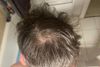
A human trial of verteporfin, a potential treatment for hair loss, with some users noting potential improvements in scarring and overall healing compared to control areas.
Peptides like GHK-Cu, BPC-157, and TB-500 have significantly reduced hair loss, with GHK-Cu being particularly effective. The discussion also covers the high cost of these peptides and explores more affordable purchasing options.
A new Latanoprost-based formula used by Hollywood celebrities to treat hair loss, with the formula containing minoxidil, tretinoin, melatonin, azelaic acid, zinc thymulin, vitamin B6, sandalore and methyl vanillate. It also mentions the potential of offering a combined sublingual minoxidil/oral dutasteride option in the future.
OrganTech is working on regenerating hair and teeth, with positive results in mice, but skepticism remains about progress for humans. Users express frustration over the lack of advancements in human hair loss treatments, despite ongoing research and trials.
The conversation discusses the approval of Kintor Pharmaceutical's AR-PROTAC (GT20029) for clinical trials in China for acne and androgenic alopecia. One user expresses optimism about new treatments being developed and seeks clarification on how the new drug works, specifically if it temporarily degrades the AR protein to reduce DHT sensitivity in hair follicles.
A user shared their positive experience with a non-surgical hair replacement system, detailing the purchase and maintenance process, including using Walker Lace Front Support Tape and various adhesives. They found the system secure and undetectable, allowing them to engage in active pursuits without issues.
The conversation is about hair regrowth using high-dose dutasteride, oral minoxidil, and microneedling. Users discuss seeing tiny hairs and hope they will become terminal, with advice to use derma rolling weekly for better results.
Hair fibers effectively cover thin hair areas, boosting confidence and reducing stress about hair appearance. Users discuss combining hair fibers with other products like hair spray, dermmatch, and Boldify, noting challenges like blocking minoxidil absorption and the importance of color matching.
A user shared their positive experience with Trichogenics for hair restoration, highlighting their unique zigzag hairline technique and personalized attention. They had 1700 follicles transplanted and praised the natural results.
A user is creating a custom topical hair regrowth serum using minoxidil, bimatoprost, tretinoin, castor oil, and hyaluronic acid. They are also using dutasteride, oral minoxidil, and castor oil in their current regimen.
Calecim (PTT-6) Advanced Hair System is a 6-week hair restoration product using stem cell-derived ingredients to stimulate hair growth. Users are skeptical, calling it overpriced and ineffective, suggesting alternatives like LLLT devices or PRP treatments.
This post and conversation are about the molecular mechanisms triggered by microneedling, specifically its effects on inflammation, tissue remodeling, epithelial proliferation, differentiation, and collagen synthesis. The discussion highlights the potential benefits of microneedling for hair loss treatment.
The conversation discusses GT20029, a compound by Kintor Pharma that degrades androgen receptors and is in trials, with potential as a hair loss cure. Another promising treatment mentioned is an antibody that blocks prolactin and has shown positive results in macaques.
Kintor Pharma successfully dosed the first patient in a Phase II trial for KX-826 for acne vulgaris. Users are more interested in results for male pattern baldness (MPB).
The conversation is about optimism for new hair loss treatments like Stemson's bioengineering, osteopotin, SCUBE3, GT20029, and Verteprofin, and inquires about other notable treatments.
User discovered hair fibers, tried Toppik but concerned about ingredients. Considering Boldify (cotton-based, cheaper) and Surethik (keratin-based) as better options.
The user shared progress pictures showing improved hair growth at the temples after 2.5 months using oral finasteride/dutasteride, ketoconazole shampoo, minoxidil, tretinoin, and dermarolling. The user reported no side effects from the medications and noted inconsistent microneedling.
Emerging hair loss treatments like PP405, a topical MPC inhibitor, show promise in activating stem cells for hair growth. The conversation seeks information on the development stages and accessibility of these treatments.
The conversation is about a user trying a new hair loss treatment, Ruxolitinib, alongside their existing regimen of finasteride, minoxidil, ketoconazole shampoo, and microneedling. They plan to apply Ruxolitinib to their temples daily for 1-2 months.
The conversation discusses the tension theory of baldness, suggesting that over-developed masseter muscles may harm hair follicles. Botox injections to relax these muscles reportedly led to an 18% increase in hair count in men with AGA.
BionicBell discussed using Bimatoprost, a medication typically for eyelash growth, for hair loss and mentioned a compounding pharmacy that can mix it with other ingredients like minoxidil and finasteride. They are seeking advice on using topical finasteride for female pattern baldness and are considering a custom foam combination to maximize hair growth results.
The user used microneedling, zinc, vitamin D3, biotin, magnesium, saw palmetto, pumpkin seed oil, and a DHT-blocker shampoo with biotin for hair loss. They are considering adding minoxidil due to stagnation in progress.
The user is using a routine involving microneedling, Minoxidil with tretinoin, a red light cap, scalp massages, Nizoral shampoo, and essence oil shampoo to address hair loss, with visible progress noted. They are considering topical finasteride or dutasteride if progress slows but are cautious due to past side effects.
The conversation discusses using microneedling with copper peptides, specifically GHK-Cu, for hair loss treatment. Some users combine it with minoxidil and topical finasteride, applying peptides either topically or through injection.
Microneedling on the vertex may require trimming hair to ensure needles reach the scalp effectively. Using a needle length of 1.0–1.5 mm is suggested, and longer hair might get damaged if not cut.
Trans woman experiencing thinning hair despite low testosterone and finasteride use seeks possible causes and solutions. Current treatments include finasteride, spironolactone, estradiol, vitamins, and microneedling; minoxidil not tried due to concerns about dependence and side effects.
Recruitment for a verteporfin trial and a separate hair cloning trial using verteporfin and other methods is underway, with locations in Jordan, NYC, Beverly Hills, and Memphis. Dr. Bloxham is conducting the hair cloning trial, and interested participants are encouraged to contact him directly.