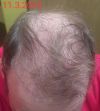
Hair loss treatments include finasteride and spironolactone. Low vitamin D levels may contribute to hair loss, and normalizing levels could potentially help regrowth.
A user's success in treating their hair loss with 2x daily topical dutasteride and minoxidil, as well as the potential for using less frequent application of topical dutasteride due to its long half-life.
Natural remedies to treat hair loss, such as polyphenols, apple peel extract, grape seed extract, green tea extract, peppermint oil, pumpkin seed oil, apigenin, Ginkgo biloba, red clover extract, olive leaf extract, Ecklonia Cava and Grateloupia elliptica. In addition, terpenes, carotenoids, and tocopherols were discussed as potential treatments.
A 24-year-old experienced initial success with finasteride, Rogaine, and Nizoral for hair loss but noticed a decline after 1.5 years. Despite concerns about side effects, they decided to try dutasteride after consulting with a dermatologist.
A user shared their hair regrowth journey using a comprehensive treatment plan including oral minoxidil, oral dutasteride, topical minoxidil, Nizoral shampoo, microneedling, and various supplements. They reported noticeable improvement in their crown area after 4.5 months, with only minor side effects like forehead pimples.
The user experienced significant hair regrowth after 4 months using oral minoxidil, oral dutasteride, topical minoxidil, Nizoral shampoo, microneedling, and various supplements. They reported increased body hair and some acne as side effects but noticed less hair breakage with silk pillows.
A 23-year-old trans male is concerned about hair loss and is considering treatments like topical and oral minoxidil and finasteride. They are worried about the effects on their pet and hormone balance and are seeking affordable options within their existing medical team.
The user experienced hair regrowth with finasteride and minoxidil but faced shedding after stopping the treatment. They resumed the treatment and used Toppik hair fibers to mask hair thinning during the shedding phase.
The conversation discusses various treatments for hair loss, including finasteride, minoxidil, keto shampoo, derma stamping, vitamin D, and dutasteride. It also mentions lifestyle changes like exercise, quitting smoking, and dietary supplements.
The product being promoted is likely ineffective for hair regrowth, as it lacks key ingredients like minoxidil and finasteride, and may rely on deceptive marketing tactics such as lighting tricks. Users suggest that proven treatments like minoxidil and finasteride are more reliable for hair loss.
The conversation discusses potential causes of pigmentation around hair follicles, suggesting sebum buildup, autoimmune conditions, or dermatitis. Treatments mentioned include finasteride, dutasteride, and an anti-inflammatory diet, with a recommendation to consult a doctor for a proper diagnosis.
The user experienced significant hair improvement using a costly treatment involving a tincture and micro needling. They are seeking cheaper alternatives, with suggestions including finasteride, dutasteride, and minoxidil as effective options.
The user has been using finasteride for over a year without improvement and recently started oral minoxidil. Suggestions include trying dutasteride and continuing minoxidil for potential regrowth.
Hair loss discussion includes treatments like Minoxidil, Finasteride, and RU58841. A secret to applying Toppik Hair Building Fibers is shared, and a possible reason is to help people apply Toppik.
Finasteride is effective and affordable for preventing hair loss but may cause side effects like low libido. Some users combine it with minoxidil for better results, while others consider alternatives like dutasteride due to side effects.
A 23-year-old woman is considering starting minoxidil for hair thinning but is concerned about its long-term use and effectiveness. Recommendations include consulting a doctor, checking ferritin levels, and considering treatments like spironolactone or finasteride, while minoxidil is suggested for regrowth but not as a primary treatment.
The user has been on a comprehensive hair loss treatment regimen for four years, including Dutasteride, topical and oral Minoxidil, and various other treatments, but has seen little progress and is considering a hair transplant. Despite trying multiple therapies, including PRP and exosome injections, the user is still experiencing hair thinning and is hesitant about trying peptides due to potential cancer risks.
Finasteride increased testosterone and estrogen, stopped hair loss, and promoted regrowth. Users discussed side effects like libido changes and considered adding minoxidil and aromatase inhibitors.
Avoid clinics that push for more grafts than necessary, as it can lead to unnecessary costs and damage to the donor area. Trust reputable clinics and be cautious of those using celebrity endorsements or offering suspiciously low prices.
Buzzing or shaving your head can boost confidence and save money on hair loss treatments. Some prefer treatments like finasteride and minoxidil to maintain their hair.
The user replaced finasteride with saw palmetto due to availability issues and experienced side effects, leading to adjustments in their regimen. They use saw palmetto, minoxidil, Nizoral, and a dermaroller, reporting reduced side effects and some benefits, with hair fall ranging from 5 to 20 hairs daily.
Ketoconazole, once popular for hair health, is now less mentioned, with mixed reviews on its benefits for scalp health. Microneedling is discussed as a potential alternative to traditional treatments like finasteride and minoxidil, with varied opinions on its effectiveness.
A product that makes hair look thicker and healthier without promoting regrowth. Discussions include treatments like minoxidil, finasteride, red light therapy, and a serum with caffeine and peptides, with mixed effectiveness opinions.
A 49-year-old male has been using finasteride for over two years, experiencing slow but steady hair regrowth without side effects, and is considering a hair transplant. He is hesitant to add minoxidil due to potential side effects and application hassle.
The conversation is about hair loss treatments, focusing on the use of dutasteride, minoxidil, and microneedling. Users suggest adding minoxidil and microneedling for better results, while some caution against using RU58841 due to potential risks.
A user experienced hair thinning and scalp issues after using a sebum-regulating shampoo and perm treatments. They are advised to consider potential allergies, try a simple shampoo, and research treatments like finasteride for possible male pattern baldness.
A 22-year-old male is frustrated about being the only bald person in his social circle. He has tried minoxidil, finasteride, and dutasteride without success and is considering hair systems, transplants, or counseling.
A 47-year-old male experienced significant hair loss after losing 37 kg in 6 months on a low-carb diet and started taking biotin, zinc, iron, selenium, and spectral dcn-n. Replies suggest that while carbs are not directly needed for hair growth, they help regulate hormones and nutrient absorption, and rapid weight loss can also contribute to hair loss.
A 36-year-old considering a fourth hair transplant is advised to either shave his head or use a hair system due to poor results from previous transplants and late medication use. He plans to consult top surgeons and adjust his current treatments, including finasteride and minoxidil.
The conversation is about a user's experience with finasteride not improving their hair loss and considering dutasteride as a last resort. Some users believe the user's hair appears stabilized, while others suggest surgery or patience, and one mentions heart issues as a reason for not using minoxidil.