Treating alopecia androgenetica with limited options, such as spironolacton, dutasteride, finasteride, minoxidil 5%, Rogaine foam for men, a shampoo with ketoconazol, iron supplement and dermarolling.
A user experienced significant hair regrowth after 3.5 months using topical minoxidil and weekly derma rolling. Others discussed enhancing results with finasteride, ketoconazoleshampoo, and microneedling.
A 21-year-old male is experiencing potential hair regrowth after using minoxidil, finasteride, microneedling, and ketoconazoleshampoo. Users are optimistic about his progress, advising patience and consistency.
A 35-year-old man shares his positive progress in hair regrowth using a daily routine of 5mg oral minoxidil and 0.5mg dutasteride, along with a low light cap, weekly dermarolling, and biweekly ketoconazoleshampoo. He reports noticeable improvements without side effects and aims to inspire others considering similar treatments.
The user started using 1mg finasteride, 2.5mg oral minoxidil, and ketoconazoleshampoo to address hair loss and scalp buildup, showing progress over 1.5 months. The ketoconazoleshampoo helped with scalp buildup, and no side effects were reported from the medications.
A 16-year-old experiencing hair thinning noticed a shift from shedding long hairs to shorter hairs, while using Vitamin D, biotin supplements, ketoconazoleshampoo, and improving diet. They are questioning if the short hairs indicate regrowth or androgenetic alopecia (AGA).
A 19-year-old shares his hair loss experience and treatment routine, which includes 1mg finasteride daily, 2mg oral minoxidil daily, ketoconazoleshampoo every 2 days, and a healthy lifestyle. He notes that oral minoxidil is showing better results than topical minoxidil.
A user convinced their 45-year-old dad to use minoxidil and finasteride, resulting in significant hair regrowth. The dad now uses 1mg of finasteride daily and topical minoxidil twice a day, and has also started using 1% ketoconazoleshampoo.
A 20-year-old male experienced severe hair loss and scalp issues after using liquid minoxidil, which caused intense itching. Despite trying different treatments like ketoconazole and selenium shampoos, and addressing low vitamin B12 levels, his hair loss and scalp problems persist.
OP experienced forehead redness after using minoxidil and finasteride PG-free solution for a week. Suggestions included trying ketoconazoleshampoo or topical CBD with MCT oil to reduce irritation.
The user is experiencing scalp irritation and increased hair loss while on vacation, possibly due to hard water and sun exposure. They have stopped using a minoxidil and finasteride spray due to burning sensations and are using a prescribed betamethasone and salicylic acid solution along with ketoconazoleshampoo.
The user has been using finasteride and oral minoxidil for hair loss, but experienced increased hair loss after using testosterone steroids without post-cycle therapy. They are considering switching to dutasteride and have added ketoconazoleshampoo to their routine, but are concerned about side effects and the ongoing hair loss.
A 34-year-old male seeks advice to restore thick, curly hair. Recommendations include using finasteride or dutasteride to control DHT, minoxidil for regrowth, ketoconazoleshampoo, and microneedling, with patience for results.
A 31-year-old man plans to address his receding hairline using topical finasteride, followed by topical minoxidil 5% with microneedling, and ketoconazoleshampoo. He seeks advice on product availability in India.
A 23-year-old is considering starting a prescribed treatment for hair loss, which includes Dutasteride, oral Minoxidil, topical Finasteride with Minoxidil, and Ketoconazoleshampoo. They are concerned about the potential impact on future fertility and whether to start with Dutasteride or try Finasteride first.
A 20-year-old male is experiencing hair thinning and has not seen results from using oral minoxidil, dutasteride, ketoconazoleshampoo, and GHK-Cu. He is seeking alternative treatments before considering a hair transplant or hair fibers.
The user is experimenting with GHK-Cu and AHK-Cu to stop hair loss and promote hair growth, using a serum from Etsy and injectable GHK-Cu. They supplement this with dermastamping and ketoconazoleshampoo.
The user shared their hair loss treatment progress using topical minoxidil, oral finasteride, derma stamping, and ketoconazoleshampoo, noting improvements after switching back to a previous minoxidil brand. They are satisfied with the results and considering a hair transplant in the future.
The user is using finasteride, HGH, GHK-CU, BPC-157, KPV, biotin/collagen/keratin vitamins, ketoconazoleshampoo, and low-dose naltrexone to address hair loss, avoiding minoxidil due to past shedding experiences. Adenosine is discussed as a potential alternative to minoxidil, though it is noted to be expensive and hard to find.
The user experienced significant hair regrowth using finasteride alone over 6-7 months, despite initial side effects like reduced sexual desire and acne. They are considering reducing the dosage to manage side effects and have also used ketoconazoleshampoo weekly.
A 41-year-old male has been using a combination of treatments for hair regrowth, including finasteride, minoxidil, a laser cap, ketoconazoleshampoo, and rosemary oil, with some progress noted. He is maintaining his current regimen in hopes of a future miracle drug while considering hair transplants and other treatments like dutasteride and copper peptides.
The user has been using Minoxidil (5mg) and finasteride (1.1mg) for almost five months, with occasional microneedling and ketoconazoleshampoo, and has noticed some hair regrowth and thickening. Others in the conversation agree that there is noticeable improvement and suggest continuing the treatment for better results.
A 24-year-old male is experiencing a receding hairline and is advised to use topical minoxidil for hair regrowth, while being cautious about finasteride due to potential side effects. Adding ketoconazoleshampoo is suggested for scalp health, and consistent use of minoxidil is recommended for noticeable results in 3-6 months.
The user is experiencing hair regrowth after 4.5 months of using oral minoxidil, oral dutasteride, latanoprost, ketoconazoleshampoo, and dermarolling. They report shedding initially but have seen improvement without significant side effects.
The user is experiencing hair that doesn't grow past a certain length despite using minoxidil and finasteride for male pattern baldness. Suggestions include trying dutasteride, microneedles, and ketoconazoleshampoo.
A 17-year-old is experiencing diffuse thinning, dandruff, body hair shedding, and other symptoms, possibly linked to seborrheic dermatitis or telogen effluvium. They are using ketoconazoleshampoo and considering blood tests to check for thyroid issues or deficiencies.
The user applied 0.005% topical finasteride, minoxidil, tretinoin, caffeine, and ketoconazoleshampoo for four months but saw no hair regrowth. Some users suggested increasing the finasteride dose or trying alternative treatments like clascoterone, pyrilutamide, or RU58841.
The user has been using a Phoenix 2-in-1 pill (1mg finasteride with 3mg minoxidil), nizoral ketoconazoleshampoo, and derma rolling for 9 months but continues to experience hair shedding. They are considering adding Rogaine foam and are curious about low-level laser caps for better results.
A 30-year-old man saw improved hair density and texture after three months using Minoxidil, Finasteride, and ketoconazoleshampoo, despite initial side effects. He experienced increased body hair and libido and is satisfied with the results despite the high cost in Turkey.
A user shared their 75-day progress using oral minoxidil, finasteride, ketoconazoleshampoo, and dermastamping for retrograde alopecia, reporting significant improvement and increased body hair without side effects. They also discussed quitting smoking and the potential correlation between early beard growth and male pattern baldness.
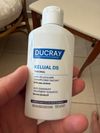

![[GHK-Cu+AHK-Cu experiment] Stopping hair loss and promoting hair growth](/images/assets/a2fe9e48-31eb-4e92-a763-614a7d32f7cd/small/20559.jpg)