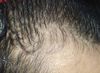
Managing seborrheic dermatitis using ketoconazole shampoo, Nizoral, and oils like MCT and coconut oil. The user considers shaving their head and consulting a dermatologist.
The post discusses using a topical tincture containing zinc, azelaic acid, and other ingredients to inhibit 5 alpha-reductase activity for treating hair loss. The user plans to try this natural alternative before using finasteride or RU58841.
Nizoral 2% is popular for maintaining scalp health and reducing inflammation, though its effectiveness for hair loss is debated. Some users combine it with finasteride for better results, while others find it drying or ineffective.
Alcohol-based minoxidil absorbs better but can cause irritation; non-alcohol-based is gentler. Topical dutasteride shows promise but needs more research; low-dose oral minoxidil (0.25 mg/day) is effective with fewer side effects. Ingredients like Procapil, Redensyl, caffeine, and Anagain in shampoos have limited evidence; ketoconazole shampoo can help when used 2-3 times a week with other treatments.
Users discuss their preferred daily shampoos for hair loss, mentioning products like Nizoral, rosemary shampoo, caffeine shampoo, and biotin shampoo. Some also use shampoos containing minoxidil and ketoconazole.
The user is considering adding 2% ketoconazole to their current treatment of oral minoxidil and finasteride to address scalp itchiness and inflammation. Another user suggests controlling inflammation is important for managing hair loss.
Ketoconazole is somewhat effective for male pattern baldness (MPB), but the manufacturer promotes it for dandruff instead, possibly because the dandruff market is larger and to avoid confusion among dandruff sufferers without hair loss.
Ketoconazole shampoo does not significantly reduce systemic or scalp DHT levels and is mainly used for its anti-fungal and anti-inflammatory effects. It is not a replacement for finasteride, which is recommended by some users despite concerns about side effects.
After 2 months of using minoxidil and finasteride twice daily, along with ketoconazole shampoo 2-3 times a week, progress in hair condition is shown. The user shares pictures to document the changes.
Minoxidil can cause scalp itchiness, often due to propylene glycol, and users suggest alternatives like foam formulations without PG, using moisturizing oils, or reducing application frequency. Some recommend ketoconazole or zinc pyrithione shampoos to help with inflammation and itchiness.
The conversation is about hair loss treatments, specifically Pyrludimide (KX-826) and Breezula (clascoterone), with the user unable to tolerate finasteride and dutasteride. The user plans to use these treatments alongside minoxidil, considering the efficacy and availability of each option.
The user is using 1mg Finasteride daily and ketoconazole shampoo twice weekly for hair regrowth, with noticeable improvement. They are considering adding Minoxidil to their regimen.
Shampoos are not effective for stopping hair loss; treatments like minoxidil, finasteride, and dutasteride are more effective. Ketoconazole shampoo may help with scalp inflammation but not directly with hair loss.
The conversation is about using 5mg oral minoxidil, 1mg oral finasteride, and Keto shampoo for hair loss, with additional supplements like Biotin, multivitamins, and Vitamin D3 with K2. Suggestions include possibly switching to 2.5mg dutasteride instead of finasteride.
A 27-year-old male experienced hair loss and dermatitis, which improved with tea tree oil and neem extract. He is considering using a 2% Ketoconazole solution for further treatment.
A 35-year-old male is using oral finasteride and ketoconazole shampoo for hair loss and is unsure about seeing improvement after 4 weeks. Suggestions include continuing the current treatment for at least 6 months before expecting results, and considering adding minoxidil to the regimen.
The user has been using minoxidil daily, finasteride three times a week, and ketoconazole 1-3 times a week for a year to treat hair loss, resulting in noticeable hair regrowth at the hairline and temples, with minor side effects like itching and dandruff. They started with minoxidil a month before the other treatments and experienced an initial shedding phase for about six weeks.
The conversation discusses a hair loss and scalp care routine involving ciclopirox shampoo, benzoyl peroxide, clindamycin gel, clobetasol propionate, and calcipotriol to manage seborrheic dermatitis, folliculitis, and inflammation. It also touches on the role of diet and other treatments like oral minoxidil and pioglitazone for scalp health.
The conversation discusses using ketoconazole, an anti-androgen, for hair loss and whether mesotherapy with dermarolling could enhance its absorption into the scalp. The user questions if the typical 2% ketoconazole shampoo dose would be effective when used after dermarolling to target androgen receptors in the scalp.
The conversation is about a user considering the use of Ketoconazole 2% shampoo before showing signs of male pattern baldness (MPB) to potentially delay its onset, inspired by a YouTuber who uses the shampoo to reduce scalp DHT levels. The user's interest in this preventative measure stems from a family history of MPB.
A new hair loss lotion by Dr. Brotzu, expected to regrow up to 5 years of lost hair, is set to be released by Fidia Farmaceutici. It claims to work like minoxidil and finasteride without side effects, but skepticism exists due to its classification as a cosmetic product.
A user shared their progress after 8 months of using oral dutasteride, minoxidil, and ketoconazole shampoo for hair loss. They are very pleased with the results.
Petal Fresh Hair ResQ shampoo is discussed for hair loss, with skepticism about its effectiveness. Minoxidil is mentioned as part of a treatment plan, and other recommended ingredients include Piroctone Olamine, Ketoconazole, and Saw Palmetto.
A user is seeking recommendations for a shampoo with 1% Ketoconazole that is sulfate-free. They are looking for a product without 'sodium laureth sulfate.'
A doctor prescribed Finasteride, Minoxidil, an expensive hair serum, and a shampoo containing climbazole and Piroctone olamine for hair loss. The user is concerned about the effectiveness of the serum and shampoo.
Using 2% ketoconazole shampoo reduced hair shedding significantly, while 1% did not. The user wonders if hair loss was due to seborrheic dermatitis and if stopping workouts also affected this.
The conversation is about using topical minoxidil and Nizoral shampoo for hair loss. It discusses whether to use conditioner with Nizoral and how to apply minoxidil without causing scalp irritation.
Clascoterone is being discussed for hair loss, but its current acne formulation may not be suitable for scalp use due to potential skin irritation and lower dosage compared to Breezula. Users mention other treatments like finasteride, minoxidil, and pyrilutamide, with some expressing skepticism about clascoterone's effectiveness for hair loss.
The user has been using dutasteride, finasteride, and ketoconazole shampoo for hair loss, recently adding minoxidil and tretinoin, and plans to start microneedling. They advise starting treatments early to maintain hair, as regrowth is more challenging.