Finasteride may affect liver function and cortisol levels, potentially linking it to non-alcoholic fatty liver disease (NAFLD). More research is needed to understand this connection fully.
The user is experiencing hair loss and is considering using topical minoxidil and finasteride due to concerns about liver health, specifically elevated ALT levels from fatty liver. They are advised to start with topical treatments while continuing weight loss and dietary changes to improve liver function.
The conversation discusses hair loss treatments, focusing on the use of Minoxidil, finasteride, and triamcinolone. Concerns are raised about high concentrations of Minoxidil and the long-term use of corticosteroids.
The user is concerned about hair loss and has been using finasteride and minoxidil. The doctor refused to prescribe finasteride due to a perceived increased risk of prostate cancer, prompting the user to consider seeking another doctor's opinion.
The user experienced no significant improvement in hair loss despite using Dutasteride, oral Minoxidil, and previously RU58841, and is uncertain if changes in medication or stopping RU58841 worsened the condition. Some users noted no change or slight improvement, while others suggested the possibility of Dutasteride causing issues.
A user plans to stop Dutasteride to conceive a child, seeking advice on hair maintenance. Suggestions include switching to Finasteride, but many emphasize prioritizing child safety.
The user is using dutasteride 0.5mg every other day and recently started minoxidil 5% with a dermaroller. Initial side effects included watery semen, erection difficulties, and chest pain, but these have resolved.
The conversation is about the difficulty in obtaining GT20029, a hair loss treatment, due to patent issues and the need to resort to group buys or Chinese labs for acquisition. Specific treatments mentioned include Minoxidil, finasteride, and RU58841.
The user is considering switching from finasteride to RU-58841 for hair loss due to side effects and is concerned about its safety around cats. They are also seeking dosage suggestions and alternatives like pyrilutamide.
A 31-year-old experiencing male pattern hair loss is considering options to manage it before their wedding, including continuing oral finasteride despite dizziness, switching to topical finasteride, adding minoxidil, or getting a hair transplant. They are advised that switching to topical treatments might reduce dizziness and that a hair transplant should be considered once hair loss stabilizes.
A user experienced heart palpitations and breathing issues while using oral finasteride and minoxidil for hair loss and plans to switch to generic finasteride and topical minoxidil. They also use Nizoral shampoo and are considering a moisturizing shampoo due to dryness and itchiness.
The conversation is about someone planning to start finasteride for hair loss and wanting to interpret pre-treatment blood panels to assess the risk of side effects like gynecomastia. They list various tests to measure hormone levels and other health indicators.
User experienced hair thinning after losing 100 lbs and started Dutasteride treatment. They faced side effects like fatigue, brain fog, and insomnia but no erectile dysfunction.
The user is experiencing a lack of morning erections after using 0.5mg of finasteride every other day for two weeks and is considering whether to reduce the dose, continue, or stop. The discussion focuses on adjusting finasteride dosage due to side effects.
The user is experiencing severe hair loss, possibly due to telogen effluvium, after stress, poor nutrition, and hormonal changes. They are using Nizoral and supplements but are considering hormonal treatments like spironolactone despite previous side effects.
A 25-year-old male experienced reduced libido and morning erections after using finasteride for hair loss. Despite reducing the dosage, the sexual side effects persist, and he seeks advice on resolving them.
The user is considering switching from Finasteride to Dutasteride for better hair regrowth, despite concerns about potential shedding and side effects. Opinions vary, with some suggesting the switch for stronger results and others advising caution due to possible side effects and the importance of consulting a doctor.
A 22-year-old has been using dutasteride (0.5 mg daily) for over a year but is experiencing increased hair shedding, scalp inflammation, and burning, and cannot use minoxidil due to side effects. Suggestions include consulting a dermatologist, trying oral minoxidil, microneedling, rosemary oil, caffeine shampoo, and considering other treatments like PRP or red light therapy.
A 19-year-old is considering whether to continue finasteride at 0.5mg every other day due to concerns about side effects. They are seeking advice on dosage frequency and potential side effects, noting no issues so far.
Creatine generally does not affect hair loss, but some report increased shedding due to higher DHT levels. Many manage hair loss with dutasteride, finasteride, and minoxidil.
A 27-year-old male using Minoxidil, Finasteride, and dermarolling for hair loss shared blood test results and experienced side effects with Finasteride. Adjusting the Finasteride dosage helped reduce side effects.
The user is on Finasteride for hair loss, taking 0.5mg daily, and plans to reduce the dose to 0.25mg while making lifestyle changes to lower prolactin, SHGB, and cortisol. They will retest in 90 days to assess progress and are open to advice.
The post and conversation discuss KX-826 (pyrilutamide) for hair loss treatment, with positive remarks about its advertising and authenticity in China. The user changed their perspective after further research and seeing genuine advertising.
A doctor criticized the use of Finasteride for hair loss, suggesting Minoxidil and a hair transplant instead, despite the patient experiencing no side effects from Finasteride. The patient disagreed, arguing that Minoxidil doesn't address the root cause and that Finasteride is necessary to protect donor hair in transplants.
The user is considering starting dutasteride (DUT) 0.5mg for hair loss due to lack of access to finasteride and is concerned about potential side effects. They seek guidance on whether to begin this treatment.
Dutasteride can lead to increased cholesterol and liver fat. The user is reconsidering its use due to high cholesterol and lipid levels despite a healthy lifestyle.
The user reports taking high dosage oral minoxidil (10mg/day) for hair growth, which causes facial bloating. They tried using the diuretic furosemide to reduce bloating, but it was ineffective.
Upcoming hair loss treatments for those who can't tolerate DHT blockers, focusing on Minoxidil, microneedling, and ketoconazole. Promising treatments include GT20029, PP405, KX-826, and RU58841, though RU58841 may not be safe.
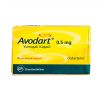
A child accidentally took Avodart, leading to concerns about DHT suppression and its effects. Users humorously discuss potential consequences and treatments like DHT injections and topical solutions.
The conversation discusses hair regrowth progress using Minoxidil, Biotin, Finasteride, and Ketoconazole, with microneedling stopped after 8 months. The user is questioning the effectiveness on temple areas after 1.7 years of treatment.