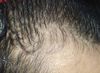
A user's experience with microneedling monotherapy and potential treatments such as finasteride, minoxidil, Stemoxydine, rosemary oil, peppermint oil, and RU58841 for reversing hair loss.
The user applied Kindor's KU, followed by a solution of Finasteride, Minoxidil, and Tretinoin for alopecia. They experienced no side effects from Kindor's KU.
There is no imminent cure for hair loss, but treatments like Minoxidil, Finasteride, and new drugs such as KX-826, GT-20029, and PP405 are being explored. Current solutions focus on slowing hair loss and stimulating growth, with hopes for better options in the future.
A 15% discount is offered on hair research products like RU58841 and TEMPOL at Chemyo.com. The legality of selling these compounds is confirmed by the seller.
PP405 shows promise in hair regrowth, potentially outperforming existing treatments like finasteride and minoxidil, with significant results in just four weeks. The treatment is still in early stages, with further trials needed to determine its long-term effectiveness and optimal dosage.
RU58841, a potential hair loss treatment, was not commercialized due to marketability issues and lack of long-term safety data. Concerns about its formulation and delivery methods further complicate its use.
The conversation discusses the use of 1% ketoconazole shampoo, like Nizoral, for hair loss and scalp issues. Users suggest it may help with early hair loss and scalp conditions but is not as effective as other treatments like minoxidil and finasteride.
After 2 months of using minoxidil and finasteride twice daily, along with ketoconazole shampoo 2-3 times a week, progress in hair condition is shown. The user shares pictures to document the changes.
The conversation discusses hair loss treatments, specifically mentioning Minoxidil, finasteride, RU58841, and TB-500 Thymosin Beta-4. It critiques the credibility of biohacking claims.
The review discusses traditional hair loss treatments like minoxidil and finasteride, and newer options like Low-Level Laser Therapy, microneedling, and platelet-rich plasma for androgenetic alopecia. It highlights the need for more high-quality trials to assess these treatments' effectiveness and standardized protocols for emerging therapies.
Hair loss treatment should target dermal white adipose tissue (DWAT) to restore hair follicles. Potential remedies include tocopherol (vitamin E), botox, rosiglitazone, niacin, kojyl cinnamate esters, and ADP355.
The conversation is about a user's two-year hair loss treatment progress using 1mg oral finasteride daily, Kirkland minoxidil twice a day, and Nizoral 1% shampoo three times a week. The user reports no side effects and attributes most progress to finasteride and minoxidil.
PP405 may revive dormant hair follicles, and DHT blockers like finasteride or dutasteride could maintain new hair. Combining PP405 with minoxidil might be optimal, but long-term effects and continuous use are uncertain.
Finasteride reduces DHT production, so blood tests can track hormonal changes. Pyrilutamide blocks androgen receptors without altering hormone levels, making blood tests less useful for detecting its effects.
The user has been using finasteride, dutasteride, pyrithione zinc, and oral minoxidil to treat hair loss and has seen an increase in fine hairs on the hairline but overall thinning on the top. They are considering adding zinc and Vitamin K to their regimen and are already taking hair multivitamins with collagen.
Treatments for hair loss, such as minoxidil, finasteride, and RU58841; humorous posts about hair loss; and the choice to stop using treatments in exchange for a different look.
The user has been taking oral Finasteride and topical Essengen 6 Plus for hair loss and is experiencing increased depression. They plan to get bloodwork to check hormone levels and are seeking advice on which tests to include.
The user experienced significant hair regrowth over four months using 1 mg finasteride, 2.5 minoxidil, and occasional ketoconazole. They reported no side effects from the treatments.
The conversation discusses the potential role of prolactin in hair loss and mentions treatments like HMI115, mucuna pruriens, Zinc, and B6 P5P for lowering prolactin levels. It also touches on the use of natural compounds and the lack of studies due to funding issues.
The conversation discusses hair loss treatments, specifically using Minoxidil, finasteride, and RU58841. It also mentions the importance of raising vitamin D3 levels.
PP405 is a potential hair loss treatment that may activate dormant hair follicles, but there are concerns about its effectiveness, cost, and side effects. Users discuss treatments like minoxidil, finasteride, and RU58841, expressing skepticism about PP405's long-term success and accessibility.
The user is using 1mg oral finasteride, 1.25mg oral minoxidil nightly, and ketoconazole shampoo weekly for hair loss, reporting no side effects. They self-prescribed after inconsistent use of topical minoxidil, using Lonitab from Intas pharmaceutical.
The use of tropoelastin injections and verteporfin for hair transplant recipients to help regrow donor area hairs, as well as research done on tropoelastin injections restoring elastin in scarred heart tissue and skin. There are discussions about why it is taking so long to get cosmetic mass produced tropoelastin injectables on the market.
Minoxidil (Lipogaine) and Ketoconazole shampoo (Regenepure) are recommended for hair loss treatment, while finasteride is considered risky due to potential side effects. Biotin is not advised due to possible health risks, and the user emphasizes the emotional impact of hair loss and the hope for a future cure.
A 25-year-old shares progress on hair regrowth using finasteride, ketoconazole shampoo, Alpecin caffeine shampoo, and topical minoxidil, noting improved hair health but persistent temple thinning. They consider switching to oral minoxidil, adding microneedling, and possibly a hair transplant after one year.
The conversation discusses the application frequency of a 1% Koshine solution for hair loss, with recommendations varying between once or twice daily. It is noted that the 1% solution is more effective than the 0.5% solution.
Piroctone olamine may be more effective and gentler than ketoconazole for dandruff and itchiness. Users report better results with piroctone olamine, but it is less available in the US.
The user recommends using Regenepure (keto shampoo), Lipogaine (minoxidil), and NatureMade Biotin pills for hair loss treatment and advises against taking finasteride (propecia) without considering potential side effects. They share their own experience with these treatments and suggest reading about both the benefits and risks before deciding on finasteride.