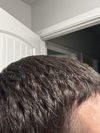
Using Megatek with minoxidil significantly increases hair growth, especially vellus hairs, but is less effective alone. Biotin and ketoconazole shampoo are also used to support hair health.
A 25-year-old woman using minoxidil 2% for hair loss is experiencing faster hair growth and new baby hairs but continues to lose hair and see miniaturization. Suggestions include switching to minoxidil5%, checking vitamin levels, using Nizoral, and considering a DHT blocker.
This conversation is about a user's regrowth journey using 5% Minoxidil and 1% Finasteride, with positive results after 2 months. Other users offered support or shared their experiences with hair loss treatments.
Liquid and foam minoxidil are equally effective for treating hair loss. Liquidminoxidil may be slightly better absorbed due to propylene-glycol, but both forms work well.
A user started using 5mg minoxidil daily and 0.5mg dutasteride every two days for hair loss, along with rosemary, castor, and pumpkin oil twice a week, and derma stamping once a week. They plan to track progress with photos and maintain hair length with clippers.
A user shared their 3-month hair regrowth progress using 1mg finasteride, 5% minoxidil, and ketoconazole shampoo. Commenters noticed improvement and discussed the importance of waiting 6 months for more significant results.
A 26-year-old male shares his progress using 0.5mg finasteride and 5% topical minoxidil for hair loss, considering transitioning to 3mg oral minoxidil. He is also contemplating using a hair system to boost confidence while continuing treatment.
A 30-year-old man shares his positive experience with a topical solution containing 0.1% finasteride, 7.5% minoxidil, tretinoin, caffeine, and fluocinolone acetonide after experiencing side effects from oral finasteride and no results from 5% minoxidil. He reports noticeable hair growth in two months with minimal side effects, attributing success to the new topical combination.
The user has been using topical minoxidil for over a year and added kx826/pyrilutamide to improve hair growth, avoiding finasteride due to side effects like lowered libido and panic attacks. They report positive results with reduced shedding and healthier hair, particularly in areas previously unresponsive to minoxidil.
A user is considering switching from twice-daily to once-daily application of 5% minoxidil and 0.1% topical finasteride to reduce systemic absorption while maintaining hair regrowth. They seek advice on whether once-daily use is effective for maintaining results.
A user noticed hair loss since age 16 and is now using minoxidil5% twice daily, scalp massages, and a derma stamp weekly, along with Alpecin Caffeine Shampoo. They report seeing new hair growth and are happy with the progress.
The user shared progress on hair regrowth using 5% topical minoxidil, 2% keto shampoo, oral finasteride, and recently switched to daily dutasteride. They reported positive results without significant side effects and are hopeful for further improvement.
The conversation discusses hair loss treatments, specifically the use of minoxidil and the potential addition of finasteride. The user has seen some progress with minoxidil but is hesitant about finasteride due to possible side effects, while others suggest combining both for better long-term results.
A 28-year-old is using 1mg oral finasteride, 2.5mg oral minoxidil daily, and keto shampoo weekly for hair loss. They report thicker, healthier hair, especially at the crown, with most progress in the last month after initial shedding.
A 24-year-old reported new hair growth on temples after 3.5 months of using topical minoxidil without shedding. They plan to add finasteride to maintain progress, as minoxidil alone may not be enough long-term.
The user noticed tiny black hairs after using 5% topical minoxidil for 1.5 months and is unsure if it's due to the treatment. Another user suggests continuing minoxidil for at least 6 months and mentions that combining it with tretinoin and finasteride may improve results.
Topical finasteride combined with minoxidil is used for hair loss treatment, with some users experiencing fewer side effects compared to oral finasteride. Morr-F, a topical solution, shows better results than minoxidil alone, with minimal adverse effects reported.
The user shared their 5-year hair regrowth journey using oral finasteride, oral dutasteride, topical and oral minoxidil, and a hair transplant. They experienced significant hair improvement without major side effects, although RU58841 was not effective for them.
A user shared their boyfriend's hair progress after using topical minoxidil5%, oral finasteride 1 mg, supplements, rosemary scalp pre-wash, ketoconazole shampoo, red light therapy, and PRP sessions. The user plans to start dermarolling in January and has noticed significant improvement in hair density.
After 5 months using 1mg oral finasteride, 2ml topical minoxidil, 3mg oral minoxidil, biotin, and shampoo with nioxin and nizoral, the individual saw decent hair improvement but is not fully satisfied yet.
A user shared their 3.5-month progress using 1 mg oral finasteride daily, 5% topical minoxidil nightly, and a dermaroller weekly, reporting no side effects. Others congratulated the user on their progress and inquired about side effects, to which the user confirmed experiencing none.
The user has been using a hair solution with 0.3% finasteride and 5% minoxidil, along with microneedling, but is experiencing more thinning on one side. Suggestions include checking application techniques and ensuring microneedling is not overdone.
A 28-year-old male reported significant hair regrowth using 5mg minoxidil and 0.5mg dutasteride over five months, with occasional ketoconazole use. Users discussed side effects like stuffy nose and low libido, and shared experiences with different hair loss treatments.
The conversation discusses hair loss treatments, including the use of 2.5mg Dutasteride, 1mg Finasteride, and Minoxidil5%, with concerns about side effects like water retention and facial changes. The user is considering alternative Minoxidil applications, such as microneedling and sublingual Minoxidil, to minimize side effects.
A user experienced continuous hair shedding for six months after using topical 5% minoxidil and 0.1% finasteride. They switched to minoxidil gel and oral finasteride 1 mg due to scalp itchiness and are seeking advice on their situation.
The user is happy with hair regrowth after 60 days using topical minoxidil5% and finasteride 0.1%, along with a dermaroller. They report no significant side effects and plan to continue treatment for a year.
A user shared a 5-year hair loss treatment progress, using 1mg oral finasteride daily and 5% minoxidilliquid twice per day, with significant improvement and no side effects. They noticed more hair coverage around the 6-7 month mark and have experienced annual shedding but remained consistent with their routine.
Topical minoxidil being a difficult product to apply, with users considering finasteride, RU58841, and oral minoxidil as alternative treatments for diffuse thinning hair. Other advice includes shaving the head in the first 3 months of using minoxidil and finding ways to apply it without saturating the hair.
The regimen includes using a diluted 5.5% Minoxidil / 0.025% Finasteride solution daily, microneedling weekly, and ketoconazole shampoo twice a week to minimize systemic exposure while maximizing scalp DHT reduction. The goal is to achieve hair regrowth with minimal side effects.