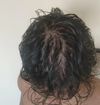
Minoxidil users can safely use salicylic acid shampoo to manage scalp pimples and dandruff. Nizoral is also recommended for hair gain and treating scalp pimples.
Minoxidil can be effectively delivered through nanoemulsions containing eucalyptol or oleic acid, enhancing its diffusivity and targeting hair follicles. This contradicts the advice against mixing minoxidil with oils in topical formulations.
User shared progress pictures showing significant hair regrowth using 1mg finasteride and topical minoxidil daily since January. Other users congratulated and shared their own experiences and advice.
EdgeLord19941's progress with hair loss medication, which includes 0.5mg dutasteride daily, 5mg oral minoxidil daily and microneedling with an electronic pen once every 7-14 days at 1.5mm. There have been positive results reported within 3 months of following this regimen with no major side effects.
User jeperscrepers shared their six-month hair loss treatment routine, which includes 1mg finasteride daily, Costco brand Minoxidil foam twice a day, Nizoral shampoo, dermapen with Derminator II monthly, and various supplements. They reported significant hair regrowth and reduced thinning.
The conversation discusses hair regrowth progress using minoxidil, finasteride, derma rolling, and keto shampoo after one month. Users advise patience, noting that significant results typically appear after six months or more.
A 20-year-old male experienced mental fog after resuming topical minoxidil for hair loss, questioning if it's due to interactions with antidepressants. Suggestions included trying a lower concentration of minoxidil or alternatives like copper peptides.
The conversation is about finding a source for a topical solution combining minoxidil with other ingredients like finasteride, dutasteride, or retinol. The user seeks recommendations for purchasing these enhanced formulations.
The user experienced significant hair improvement after two months of using topical finasteride, minoxidil, and biotin, despite initial heavy shedding. They used 0.3% finasteride and 7% minoxidil once daily, and obtained the products from Hims.
An 18-year-old woman experiencing hair loss due to stress, possible PCOS, and low vitamin D is concerned about starting 5% minoxidil foam, prescribed by her doctor, due to potential facial hair growth. She is also using a topical steroid for scalp sensitivity and pain.
The conversation humorously discusses various methods of applying minoxidil for hair loss, with some users suggesting oral minoxidil as a more convenient option despite potential side effects. The original poster jokes about using a red light helmet with mesotherapy needles for continuous minoxidil application.
The user has been using minoxidil daily, finasteride three times a week, and ketoconazole 1-3 times a week for a year to treat hair loss, resulting in noticeable hair regrowth at the hairline and temples, with minor side effects like itching and dandruff. They started with minoxidil a month before the other treatments and experienced an initial shedding phase for about six weeks.
A 25-year-old male using 1mg finasteride daily and 5% topical minoxidil twice daily noticed slight hair density improvement on the crown, less shedding, and no serious side effects except occasional mild discomfort. He uses Nizoral shampoo for itching and takes Vitamin D and Magnesium supplements, while maintaining a positive mental outlook and working on improving his sleep schedule.
A user with mild psoriasis on the scalp is using finasteride, topical minoxidil, and dermarolling for hair loss but plans to stop minoxidil on the crown due to psoriasis aggravation. Suggestions include switching to a lipid-based minoxidil, using Ketoconazole shampoo, or trying oral minoxidil.
A 25-year-old uses oral minoxidil, dutasteride, and a shampoo with minoxidil and ketoconazole for hair loss, experiencing progress and increased body hair. Users discuss the effectiveness of these treatments, with some suggesting that dutasteride is primarily responsible for hair thickening.
A user's progress with using Minoxidil, finasteride, and microneedling to treat hair loss; another user mentioned a Japanese study that found better results for hairy individuals on finasteride.
A user's progress with hair loss treatments, including minoxidil, microneedling, nizoral 2%, finasteride 0.5mg/day and 0.5mg/ml per day in minoxidil, as well as RU58841 purchased from Anagen Inc., which allowed the user to go outside without a hat or cap for two years.
A product called HairMDL includes Minoxidil, Dutasteride, Latanoprost, caffeine, Tretinoin, and Triamcinolone. Users are curious about its effectiveness and safety, particularly regarding the topical steroid Triamcinolone.
A female user is seeking feedback on using topical minoxidil on eyebrows due to eyebrow loss, as oral minoxidil hasn't worked and they avoid Latisse due to potential fat loss.
The user experienced significant hair regrowth using 1mg oral finasteride daily and a walnut-sized amount of minoxidil foam once a day. They started balding at 17 and reported no side effects from the treatments.
The user experienced significant hair and beard regrowth using 0.5mg dutasteride and 5mg oral minoxidil over a year, despite initial shedding. They reported no major side effects, except for increased body hair growth.
DutchFella1993 has been using a lotion with finasteride and minoxidil for hair regrowth with some success and is considering using ketoconazole shampoo daily to reduce scalp itchiness. There's concern about the harshness of daily shampooing and twice-daily lotion application, and one reply suggests that daily use of ketoconazole may damage hair and questions its effectiveness, while also noting that once-daily minoxidil application is sufficient.
A 21-year-old is experiencing hair thinning and is considering using oral finasteride and minoxidil. They are seeking advice on the cheapest and easiest provider among Drb.ai, ro.co, or Amazon One Medical.
A user's experience with hair loss treatments such as finasteride, ketoconazole, and oral minoxidil that have not yielded any results; other users suggest shaving the head or getting a wig, while others offer additional advice such as seeing a dermatologist, checking thyroid levels, switching to dutasteride and adding needling, and trying stemoxydine.
A straightforward hair loss treatment involves using Minoxidil twice daily, microneedling weekly, and using silicone-free shampoo. Shaving the head can simplify the routine, and consistency is crucial for effectiveness.
A user started taking oral minoxidil (2.5 mg daily) along with topical minoxidil, dutasteride, microneedling, and various supplements to improve hair growth and overall health. They are also focusing on weight loss, exercise, and better lifestyle habits.
Minoxidil should be applied first, allowed to dry, then emu oil can be applied. Emu oil is recommended for daily use, but it may not need to be washed off daily.
The user applied topical 0.1% finasteride and 5% minoxidil, along with weekly microneedling, resulting in significant hair regrowth. The user also lost 10kg through diet and exercise.
A satirical discussion on using minoxidil and finasteride in unconventional ways, including mixing them into drinks and other humorous methods. The conversation also touches on the potential health risks of minoxidil.
User shared a 10-month update on hair loss treatment using Minoxidil once daily, Finasteride 1mg daily, Biotin 10,000mcg, Nizoral every 2 days, Castor Oil occasionally, and a Power Laser Comb sometimes. The post includes progress pictures.