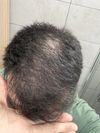
Microneedling with minoxidil and finasteride greatly improves hair regrowth. Using 0.5mm depth every other day boosts minoxidil absorption without side effects.
The user is trying to regrow hair on a bald spot using a routine that includes Minoxidil, Mielle Organics products, and Toppik Hair Building Fibers. Other users suggest adding Finasteride or Dutasteride to block DHT for better results.
A user is considering switching from a 5% minoxidil spray to a minoxidil cream for easier application and less greasiness. They are inquiring about the Hair Repair Clinic 5% minoxidil cream, which includes optional tretinoin and other ingredients like isopropyl myristate and beeswax.
Switching from finasteride to dutasteride for hair loss yields mixed results, with some users experiencing improvements and others facing worsening conditions or side effects like shedding. Patience is advised as dutasteride may take longer to show results, and combining treatments is suggested by some users.
A 35-year-old is seeking advice on hair loss treatments, considering minoxidil, finasteride, and possibly a hair transplant in Turkey. They have previously tried microneedling for a year.
The conversation discusses the use of RU58841 for hair loss, focusing on its side effects, standardization issues, and user experiences. The user also inquires about the use of other treatments like minoxidil, finasteride, and microneedling.
The conversation discusses starting Minoxidil for hair loss and suggests also using finasteride to prevent further balding. Minoxidil is expected to thicken current hair, but won't stop hair follicles from dying.
Bryan Johnson shared his hair loss treatment, which mainly relies on minoxidil and finasteride. Some users are skeptical of his results, while others appreciate his efforts in anti-aging and hair loss research.
A user shared a 60-day progress update on hair regrowth using only 5% Minoxidil foam once daily. Others suggested adding finasteride to address the underlying cause of hair loss and maintain long-term results.
A user shared their positive experience with hair regrowth after 3 months of using 6% Minoxidil and 0.3% Finasteride spray. They experienced temporary erectile dysfunction but it resolved, although morning erections are less frequent.
The conclusion of the conversation is that the user has experienced significant hair regrowth using a mixture of oils, including rosemary essential oil, peppermint essential oil, and carrier oils like castor oil or jojoba oil. The user also clarifies that both pictures were taken with damp hair.
Using hair loss treatments such as Minoxidil and Finasteride to combat male pattern baldness, with the poster expressing hope in regaining confidence and security. Replies offer advice, anecdotes, and support for the user's efforts.
Significant hair regrowth was achieved using EssenGen 6-Plus with 6% minoxidil and 0.05% finasteride, along with Nizoral shampoo, over 12 weeks. No side effects were experienced, highlighting the benefits of a low dose.
A person is microdosing estrogen for hair loss after finasteride and dutasteride failed, risking feminizing effects. Alternatives like minoxidil, RU58841, or hair transplants are suggested.
A dermatologist prescribed alternatives to Minoxidil and Finasteride for hair loss. Users recommend sticking with Minoxidil, Finasteride, or Ketoconazole shampoo and suggest seeking a second opinion.
The conversation is about a user's hair regrowth after 8 months of using minoxidil, finasteride, and a derma roller. The user started seeing results after beginning derma rolling, using 0.25% finasteride and 5% minoxidil twice daily.
The conversation discusses a user's two-month hair regrowth progress using Minoxidil and a 0.5mm dermaroller. Some suggest adding a 5-alpha-reductase inhibitor like finasteride or dutasteride to maintain the results.
A user shared a nine-month hair regrowth progress using 5mg oral Minoxidil and 1.25mg oral Finasteride daily, with noticeable improvement and no side effects, despite a high-protein diet, occasional smoking, and regular exercise. They also mentioned using keto shampoo and having naturally increased body hair by about 10%.
A study that outlines the full model for androgenic alopecia (AGA) which links DHT to cellular senescence in dermal papilla cells, and suggests black chokeberry as a source of cyanidin 3-O-arabinoside polyphenol with potential anti-oxidant properties that could reverse this process. The post encourages reaching out to experts in anti-aging and longevity to research treatments involving the polyphenol.
The conclusion of the conversation is that the combination of finasteride and minoxidil has helped the user, Shama2, achieve fast and good results in regrowing hair. They have not experienced any side effects and are consistent with their treatment.
My hairline, I am only 23.
This conversation is about a user's experience with treatments for androgenic alopecia, including finasteride, dutasteride, RU, minoxidil, progesterone, melatonin, LLLT, oral minoxidil, and Pyrilutamide. They have tried many treatments over the course of two years without seeing much success, and they are considering getting a hair system as a last resort.
A 25-year old user's progress with only finasteride in treating their hair loss, and other users suggesting minoxidil and dermarolling as additional treatments.
Begin with finasteride to evaluate its effectiveness before adding minoxidil. Combining treatments may enhance results but could also increase side effects; individual responses differ.
Using 1mg Finasteride and 5% Minoxidil for a year led to significant hair regrowth, despite initial side effects like decreased sex drive, which improved with exercise. Consistency in treatment was highlighted as crucial for success.
Dutasteride significantly reduces scalp DHT levels and can save hair, though shedding is part of the process. Some users report success with dutasteride, while others struggle despite using it along with finasteride and oral minoxidil.
The conversation is about choosing between finasteride and minoxidil for hair loss treatment. Most users prefer finasteride, citing its effectiveness in stopping hair loss, while some mention using both for better results.
A user shared their 2-month hair growth progress using only Minoxidil, noting significant improvement and plans to continue despite a genetic predisposition to baldness. They apply Minoxidil twice daily, experienced a heat rash, and chose not to use Finasteride due to side effects.
People discussed their experiences with anti-androgens for hair loss, mentioning side effects like chest pains with RU58841 and skepticism due to lack of safety data, while considering Fluridil as a potential addition to treatment. Some users expressed reluctance to use these chemicals.
The user experienced concerning side effects like throat irritation, shortness of breath, chest pain, and testicle pain after using RU58841 for hair loss, despite also using finasteride and minoxidil. Other users shared mixed experiences, with one advising to stop using RU58841 due to similar side effects, while another reported significant hair loss reduction without side effects.
The conclusion of the conversation is that the user should consider using treatments such as finasteride, minoxidil, and RU58841 to potentially reverse their hair loss. Other suggestions include using hair loss concealers and maintaining a healthy diet.