GHK-RU58841 is used for hair loss, with positive results when combined with finasteride, stemoxydine, redensyl, and alfatradiol. Users report effectiveness after adding finasteride.
The user shared progress pictures showing significant hair growth after using minoxidil, dutasteride, and ketoconazole shampoo. They reported seeing results in 1.5-2 months and discussed the effectiveness of oral treatments over topical ones.
The conversation discusses the use of topical peptides ahk-cu and ghk-cu for hair loss. One user reported that while these peptides made their hair look thicker and improved scalp health, they did not notice significant hair growth.
HairClone plans to start hair multiplication services in 2022. Users discuss various treatments like Minoxidil, finasteride, PRP, and hair cloning, expressing both hope and skepticism about the technology and its costs.
The user is using topical finasteride, minoxidil, nizoral shampoo, and microneedling for hair regrowth but hasn't seen results after 2-3 weeks. They added tretinoin to their routine and are advised to wait a few months for potential changes.
SCUBE3 is available online but poses risks like tumor promotion and high costs. Users advise against using it due to health concerns and inefficacy as a standalone treatment.
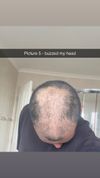
A 24-year-old experienced hair regrowth with finasteride, minoxidil, and ketoconazole but saw a significant shed after four years despite continued treatment and healthy habits. They stopped minoxidil after shaving their head, noticed dandruff disappeared, and are seeking advice for potential regrowth.
The user experienced significant hair growth over three months using topical Minoxidil, microdosing Finasteride, microneedling, and ketoconazole shampoo. They also use Toppik hair fibers and Aveda hair thickening tonic for styling.
The conversation is about hair loss treatments, specifically mentioning finasteride, minoxidil, and the possibility of a hair transplant in Turkey. Users share humorous reactions and personal experiences with these treatments.
The user experienced noticeable hair regrowth using finasteride 1mg daily and ketoconazole three times a week. Other users commented that minoxidil is unnecessary due to the visible progress.
Combining pyrilutamide and alfatradiol might be as effective as finasteride for hair maintenance. The user plans to try this combination alongside minoxidil and keto shampoo, hoping for improved hair thickness.
Ketoconazole shampoo can be very drying, especially for curly hair, and may not be suitable for those who need to maintain moisture. Some users suggest using oils or masks to mitigate dryness, while others recommend avoiding it unless necessary for conditions like dandruff.
The user has been using oral finasteride daily, topical minoxidil twice a day, tretinoin once a week, and 2% ketoconazole twice a week since February 5th. They shared progress pictures showing hair improvement over two and a half months.
The conversation is about using 5mg oral minoxidil, 1mg oral finasteride, and Keto shampoo for hair loss, with additional supplements like Biotin, multivitamins, and Vitamin D3 with K2. Suggestions include possibly switching to 2.5mg dutasteride instead of finasteride.
The user "OP" is frustrated with hair loss despite using oral minoxidil, topical finasteride, and oral dutasteride. Other users suggest keto shampoo, lifestyle changes, and low light laser therapy.
The user humorously describes trying various hair loss treatments, including minoxidil, finasteride, and RU58841, with a satirical twist involving psychedelic experiences and imaginary entities. They mistakenly used LSD instead of RU58841 and plan to continue experimenting with other substances.
A 21 year old male who has been taking finasteride, minoxidil and ketoconazole for 3.5 months with minimal side effects and successful hair regrowth. Genetics also seem to play a role in the user's hair loss.
A 21-year-old user has been using finasteride 1mg daily since March 11 and ketoconazole 1% 2-3 times a week since April 22, with no significant side effects. They are questioning if they are seeing early hair regrowth after 2.5 months of treatment.
A potential non-invasive topical treatment targeting the WNT Signaling Pathway for hair regeneration is being researched, with positive results on human hair follicle cells. Current effective treatments for hair loss include Minoxidil, finasteride, and hair transplantation.
Pyrilutamide from RUdirect is discussed, with users sharing experiences and alternative sources like Koshinemall. Users mention using treatments like minoxidil, RU58841, and dutasteride for hair loss.
The conversation is about recommendations for Copper Tripeptide-1 solutions to enhance hair loss treatment, with a focus on using Reviv Hair Serum alongside LLLT therapy. The user also discusses using Minoxidil, RU58841, and other compounds to manage hair shedding and improve hair thickness.
A dermatologist recommended a new supplement containing annurca apple, which reportedly doubles hair density and increases keratin after 60 days, to be used with finasteride. Some users are skeptical, considering it potentially ineffective or a marketing ploy, while others are open to trying it if it proves effective and affordable.
A user in Poland created a homemade "oral topical minoxidil" using 2% topical minoxidil, propylene glycol, and vodka due to difficulty obtaining oral minoxidil. They shared a recipe and sought feedback, emphasizing caution and safety in dosing.
The conversation discusses a hair loss treatment regimen involving minoxidil, finasteride, RU58841, JXL069, and nizoral shampoo. The user reports seeing new black dots in areas where hair hasn't grown in years, suggesting potential regrowth.
Pyrilutamide is being discussed as an alternative for those who can't use finasteride, but users report it may be ineffective at low concentrations. Some users are combining it with minoxidil, microneedling, and other treatments, but results vary.
The user is seeking alternatives to Minoxidil for hair growth, currently using 0.1% topical finasteride and 2% ketoconazole shampoo. Suggestions include microneedling, red light therapy, rosemary oil, and other topical treatments like cetirizine, Stemoxydine, and Latanoprost.
A 27-year-old male experienced hair loss and dermatitis, which improved with tea tree oil and neem extract. He is considering using a 2% Ketoconazole solution for further treatment.