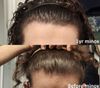
Analyzing data on pyrilutamide, a potential hair loss treatment, as well as the effectiveness of other treatments such as Minoxidil, Finasteride, and RU58841.
The effects of Finasteride on hair loss and its side-effects, such as aching balls. The user has been taking it for two years with no changes to the symptom.
The conversation discusses using topical spironolactone for temple hair loss, alongside low-dose minoxidil and possibly PDRN injections, without finasteride or dutasteride. The user is skeptical about the injections due to cost and mild hair loss severity.
The conversation discusses hair loss treatments, specifically RU58841, with mentions of side effects from finasteride and dutasteride. Alternatives like Pyri, KX-826, and Breezula are also mentioned.
The conversation discusses confusion over the dosage calculation of a topical solution containing 0.25% finasteride, 5% minoxidil, and 0.001% tretinoin. The user considers switching to a 0.025% finasteride solution to enhance the effects of tretinoin and minoxidil.
The conversation is about using pyrilutamide and RU58841 as topical solutions to prevent hair loss. Pyrilutamide is considered safer but less potent than RU58841, which some users find effective despite potential side effects like heart palpitations.
The user discovered their previous hair loss medication was counterfeit and switched to Propecia, which significantly lowered their DHT levels. They plan to continue using Propecia and add oral Minoxidil to their routine for better results.
The user discusses a galenic hair lotion containing progesterone, estradiol, cyproterone, hydrocortisone butyrate, and cetirizine pheniramine, which has effectively stopped their hair loss over two years. They are curious about the compatibility of finasteride with the lotion's components and note that their trichologist has successfully used minoxidil and finasteride in similar treatments for others.
A 26-year-old male with grade 3 hair loss is using 2.5 mg oral minoxidil, 1 mg finasteride, 5% minoxidil, ketoconazole shampoo, and kLM d3. He plans to post progress pictures every 6 weeks and is seeking suggestions.
The user's experience taking Pyrilutamide, a drug for hair loss treatment, and their use of it in combination with other treatments such as Minoxidil, Finasteride and RU58841. They have experienced positive results so far with no major side effects.
The user has been using Finasteride for hair loss and is considering adding alphatradiol, stemoxydine, or 2% minoxidil to their regimen. They are concerned that stemoxydine, which shortens the resting phase of hair, might accelerate hair loss in those not using Finasteride by depleting hair cycles without strengthening miniaturized hairs.
The conversation discusses hair loss treatments, specifically the transition from topical to oral minoxidil and finasteride, and the associated shedding phase. Users advise patience and consistency, noting that shedding is common and improvement may take several months.
Topical spironolactone is more effective than topical finasteride for treating hair loss in both men and women. Oral spironolactone can affect testosterone, but the topical form doesn't impact the endocrine system.
The conversation discusses using pyrilutamide with finasteride and minoxidil for hair loss treatment. The user is concerned about potential side effects and mentions using 1 mg finasteride on alternate days and daily minoxidil.
A doctor prescribed Finasteride, Minoxidil, an expensive hair serum, and a shampoo containing climbazole and Piroctone olamine for hair loss. The user is concerned about the effectiveness of the serum and shampoo.
The conversation discusses whether using pyrilutamide would interfere with minoxidil's ability to regrow hair, considering pyrilutamide is seen as a maintenance drug that stops shedding, while minoxidil promotes hair growth but causes initial shedding.
A 25-year-old is using 1.25mg finasteride six times a week and 5% topical minoxidil daily for hair loss. They are experiencing reduced libido and erectile issues, possibly due to stress, and are questioning if the finasteride dosage is affecting DHT suppression.
A 21-year-old is concerned about androgenic alopecia and has been using minoxidil for a year, noticing some stabilization in the hairline but fears using it on the whole scalp due to seborrheic dermatitis. Another person suggests considering a psychiatrist for stress management, using Nizoral shampoo, and possibly trying a small dose of finasteride.
User on fin, minox, and ketoconazole seeks to add another topical anti-androgen. Hierarchy of effectiveness: 1. RU55841, 2. Fluridil - Eucapil, 3. CB-03-01 - Breezula, 4. Ketoconazole; alfatradiol suggested as addition.
The conversation is about someone experiencing continued hair loss despite using Pyrilutamide and considering the need for more time or better quality control for the treatment. Another person suggests waiting for the drug to be officially approved due to potential quality issues with current products.
A user wants to add cetirizine tablets to their minoxidil bottle and asks how many 10mg tablets to crush for a 100ml bottle. They seek advice on the correct dosage.
The conversation discusses hair loss treatments, specifically Minoxidil, finasteride, and RU58841. It also mentions an update on Dr. Bloxham's Verteporfin treatment.
Pyrilutamide's long-term stability is uncertain, with potential degradation after 8-9 months if not stored properly. It's recommended to use fresh batches and store them in a cool, dark place.
A user received a prescription for a topical solution with Minoxidil 7%, Finasteride 2%, and Tretinoin 0.01%, to be used twice daily for three months. They are concerned about the safety of these dosages compared to commonly recommended lower dosages.
A user started taking finasteride three months ago to treat hair loss and unexpectedly cleared their acne, which they had been struggling with since age 12. The conversation includes others sharing their experiences with finasteride, its effects on acne and hair loss, and mentions a related treatment, clascoterone, for acne and hair loss.
Finasteride helped stop hair loss progression and slightly thickened hair, but reduced beard and chest hair growth. The user also uses ketoconazole shampoo for scalp itchiness.
The conversation is about someone seeking a finasteride prescription for hair loss, who later finds finasteride at a local pharmacy. Minoxidil and finasteride are mentioned as treatments.
The conversation discusses using hormones like pregnenolone and tongkat ali to counteract sexual side effects from hair loss medications such as finasteride, dutasteride, ketoconazole, and minoxidil. The user stopped the other medications but continues using minoxidil while seeking advice on maintaining libido.