Search
for
Sort by
Community Join
510-540 / 1000+ resultscommunity Need help with RU58841 (preparation + dosage).
The conversation is about using RU58841 for hair loss treatment, specifically mixing it with minoxidil without propylene glycol due to an allergy. The user is considering starting with a lower concentration of RU58841 and making smaller batches to maintain efficacy.
community Kintor's KX-826 Phase 2 data release is officially pushed back to September due to COVID:
Hair loss discussion includes treatments Min, Fin, and RU. Kintor's KX-826 Phase 2 data release delayed to September due to COVID.
community 3.5month update. Hairline progress
community Good conditioners?
The conversation is about finding a conditioner suitable for thinning hair, with the original poster currently alternating between a caffeine shampoo and Nizoral every two days but not using any conditioner.
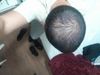
community Considering a #1 Buzz Cut for Crown Thinning; Currently on Dutasteride + Minoxidil
The user is using Dutasteride and Minoxidil for hair loss and is considering a shorter buzz cut to manage the appearance of thinning at the crown. They are unsure if a #1 buzz cut would look better than a #3 while waiting for the treatment to take effect.
community Diffuse Thinning Worsened After 2 Months of Ketoconazole Use, What to Do?
Ketoconazole may cause increased hair shedding. The user plans to use Minoxidil and dermastamping but cannot tolerate DHT blockers.
community Diffuse thinner- 2 months progress. Oral Fin,Min, topical RU
community Can I Mix Dutasteride and RU58841 with Minoxidil?
Mixing Dutasteride and RU58841 with Minoxidil is discussed for hair loss treatment. Users share experiences and suggest consulting a professional before combining these treatments.
community How to Dilute Topical Finasteride?
A user wants to dilute topical finasteride due to side effects like dizziness and is seeking advice on how to do it, preferably without mixing with minoxidil. They are unable to find specific guidance online and are looking for help from the community.
community How Long do you thing I can keep my hair with that stack M20 NW2-1.5
community Zix pre-made - zinc topical on scalp
The user is experimenting with a zinc sulfate and B6 topical solution called "Zix" for hair loss, alongside using a zinc oxide scalp mask and low-level laser therapy (LLLT). They report minimal hair loss after three months of use and are seeking feedback from others who have tried similar treatments.
community The non-linear nature of hair regrowth on Fin/Min
community 1.5 Year Hair Transformation on Finastride+Minoxidil (Need Honest Opinions)
community Making an all in one topical: is it possible and has anyone done it?
A user is considering creating an all-in-one topical solution for hair loss, combining 0.25mg finasteride, 5% minoxidil, and 5% RU58841. They are seeking advice on its feasibility and absorption.
community Anyone having success with breezula
People are discussing the effectiveness of Breezula for hair loss maintenance. Some individuals are using Breezula alone, avoiding finasteride, and one plans to use Breezula after a hair transplant.
community Pyrilutamide/KX-826 where to buy? Effectiveness? Sides?
User seeks KX-826 anti-androgen product and asks for purchase suggestions and experiences. Dave-8D recommends buying powder from the same website and making a topical solution, mentioning possible high dosage from Minoxidil max causing side effects.
community Are Ru58841/Kx826 effective as fin?
The user is considering switching from topical finasteride to RU58841 or KX826 due to side effects like low libido and ED. They are also using oral minoxidil and considering low-dose saw palmetto to maintain their hairline.
community How to increase Pyri concentration from 0.5% to 1% wihout using more volume ( 2ml x 2 per say for example )
OP wants to increase pyrilutamide concentration from 0.5% to 1% while already using finasteride. Users suggest waiting for a commercial 1% solution and caution against using grey market products.
community How I stopped minoxidil build up on my scalp.
Switching from minoxidil with propylene glycol to a glycerin-based solution helped reduce scalp buildup and dandruff. Using ketoconazole shampoo and a scalp massager also improved scalp health.
community What tretinoin product to use in the mix w/ Minoxidil?
User uses dermaroller and minox for hair loss without success, considers adding Stemoxydine and mixing tretinoin with minox. Another user suggests a DHT inhibitor for sustainability.
community A vehicle for powdered melatonin
The conversation is about using topical melatonin for hair loss and seeking advice on a safe mixing solution or pre-mixed product. Specific treatments mentioned are minoxidil, finasteride, and RU58841.
community DUT + Min + Keto + Microneedle + Tret
community Please ensure you're using "REAL" Minoxidil (Bleach Test)
Fake minoxidil is common, and a bleach test can verify authenticity. Users recommend buying from trusted sources like Costco to avoid fake products.
community 18M Diffuse Thinning Progress: 11 Months Oral Minoxidil + 3 Months Vit D3/ K2 (No DHT Blockers)
community Twist1 Group Buy: Yes it’s that easy
A group buy for testing a compound targeting Twist1 protein as a potential hair loss treatment. Inhibiting Twist1, which keeps hair follicles in growth phase, may prevent hair loss with minimal side effects.
community How much would 10g of CB-03-01-2 (Breezula) last you?
The conversation is about the use and application of CB-03-01-2 (Breezula) for hair loss, including questions about its form, how to apply it, and the duration 10g would last. Specific treatments discussed are Minoxidil, finasteride, and RU58841.
community a new supplement just released
A dermatologist recommended a new supplement containing annurca apple, which reportedly doubles hair density and increases keratin after 60 days, to be used with finasteride. Some users are skeptical, considering it potentially ineffective or a marketing ploy, while others are open to trying it if it proves effective and affordable.
community Any diffuse thinners have a good experience with Minox and is foam or liquid preferred???
A user with diffuse thinning experienced no hair regrowth with finasteride or Avodart but slowed hair loss with Avodart. They are considering trying Minoxidil and are seeking advice on whether to use foam or liquid, and if combining it with other treatments could be beneficial, excluding micro-needling due to scalp irritation concerns.
community How to Add Tretinoin to 2 in 1 combo ?
A user wants to add tretinoin to their nightly minoxidil and finasteride combo to increase effectiveness. They seek advice on how to mix tretinoin with the existing treatment.