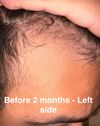
A user shared a 6-month hair loss treatment routine including Mexican finasteride (1.25mg every other day), daily minoxidil, bi-weekly dermarolling, and ketoconazole shampoo twice a week, noting significant crown growth and some frontal hairline improvement with initial side effects that have since subsided. They are seeking advice to improve results, particularly at the frontal hairline, without resorting to a hair transplant.
A user shared progress on hairline improvement after 3 months using oral finasteride, topical minoxidil, and a dermaroller. They also use Alpecin Caffeine shampoo daily and ketoconazole shampoo weekly.
The user has been using finasteride, ketoconazole shampoo, oral minoxidil, and minoxidil foam for hair loss but feels their hair is not as thick as desired. They have stopped using RU58841 due to lack of results and are concerned about hair miniaturization despite these treatments.
The conclusion of the conversation is that dying the hair can be an effective method for managing hair loss, particularly for those with diffuse thinning.
The user reports noticeable hair regrowth after using 2.5mg oral minoxidil daily and 2% ketoconazole shampoo every other day for three months. The dermatologist advised against finasteride due to the user's age but mentioned it might be needed later.
A user successfully maintained hair using fluridil, alfatrodial, minoxidil, and ketoconazole shampoo after experiencing side effects from finasteride. They question why this combination isn't more popular despite its effectiveness.
The user shared their hair loss treatment progress using topical minoxidil, oral finasteride, derma stamping, and ketoconazole shampoo, noting improvements after switching back to a previous minoxidil brand. They are satisfied with the results and considering a hair transplant in the future.
The user shared their 11-year journey battling hair loss, highlighting the importance of consistent treatment and avoiding common mistakes. Treatments included minoxidil, finasteride, derma rolling, ketoconazole, multivitamins, and a hair transplant.
Alpecin Caffeine shampoo is ineffective for stopping hair loss, with unreliable supporting research. Finasteride is effective in reducing hair loss by lowering DHT levels.
GT20029, a new hair loss treatment, shows promising results but only a slight improvement over placebo. People are cautiously optimistic, discussing its potential and combining it with existing treatments like Minoxidil and Finasteride.
PP405, a topical treatment, shows promise for hair growth by activating inactive follicles, with 66% of participants experiencing positive results. The treatment is well-tolerated and may proceed directly to Phase 3 trials, offering a potential alternative to minoxidil and finasteride.
The post discusses a hair loss treatment regime using Nizoral, a laser helmet, dermaroller, bentonite clay mask with essential oils, and ketoconazole shampoo. The user avoids finasteride and minoxidil due to concerns about side effects and pet safety.
A user is considering starting treatments like Finasteride, Minoxidil, and Microneedling for hair thinning, despite stable hair loss for over 8 years. They are unsure if the presence of miniaturized hairs indicates potential for regrowth or if they should accept the current state.
The conversation discusses a hair loss treatment regimen that includes a topical spray with finasteride and minoxidil, tretinoin, and using a Derminator (microneedling device) at 1.25mm depth every 5-6 days. The user reports positive results after 90 days and plans to continue the treatment, with others commenting on the process and potential outcomes.
Hair loss discussion includes delay in others noticing balding, using hair fibers for peace of mind, and taking before and after photos. Finasteride and Minoxidil are mentioned as treatments.
The user is using Minoxidil, Finasteride, a dermaroller, vitamin D, and anti-hair loss shampoo for hair loss treatment. They are seeking feedback on whether there is improvement after two months and if noticeable results can be expected within six months.
The user discussed their positive experience with Him's Minoxidil and Finasteride product and Biotin pills for hair loss treatment over a year. Another user asked when they started noticing hair thickening and volume increase on their temples.
The conversation discusses hair loss treatments, focusing on a "natural stack" including minoxidil, microneedling, a laser helmet, saw palmetto, ketoconazole shampoo, and supplements. Many users suggest adding finasteride or dutasteride for better results, as natural methods alone may not effectively block DHT.
A permanent hair loss solution could involve reprogramming hair follicles to resist DHT using mRNA and siRNA. However, high costs, safety concerns, and the pharmaceutical industry's preference for ongoing treatments over one-time cures are major obstacles, with finasteride and minoxidil remaining standard treatments.
The user shared impressive hair regrowth results after 11 months using topical finasteride and minoxidil from HIMS. Many users congratulated the progress and inquired about the application method, brand, and potential side effects.
The user saw significant hair regrowth after using rosemary-castor oil, scalp massages, a derma roller, biotin shampoo, minoxidil-finasteride spray, and a PRP injection. They plan to continue this routine.
The user has been using minoxidil, trioxidil, procapil, redensyl, and ashwagandha lotion for hair loss but can't find more procapil redensyl lotion. They are seeking advice on where to find it or alternative solutions.
The conversation discusses various hair recovery treatments, including finasteride, dutasteride, minoxidil, RU58841, ketoconazole shampoo, microneedling, and tretinoin. Users debate the effectiveness and safety of these treatments, with some suggesting combinations like dutasteride and minoxidil as potent options.
User shared 12-month hair loss progress using oral minoxidil, oral dutasteride, and 2% ketoconazole shampoo. They detailed their medication regimen and dosages.
A user experienced significant hair regrowth by switching from finasteride and minoxidil to dutasteride, along with using a leave-in conditioner, rosemary shampoo, and a hair powder drink. They noted improved hair health and thickness, attributing success to this regimen and advising others on similar treatments.
The user experienced hair regrowth using a topical solution containing 5% minoxidil and 0.1% finasteride, despite an initial shedding phase. They reported no side effects and noted significant improvement in hair density, particularly around the crown area.
The user discovered they had been using fake minoxidil for months, leading to hair thinning, and decided to switch to a trusted brand from Walmart. Another user suggested seeing a dermatologist for prescription minoxidil and recommended Kirkland brand minoxidil and finasteride for effective hair loss treatment.
Caffeine may slightly improve hair thickness if you don't have male pattern baldness. Its effectiveness is questioned, and clinical approval is uncertain.
A user decided to use a hair system after 10 years of hair loss, avoiding surgery and supplements due to potential side effects. They were nervous but hopeful for natural-looking results.