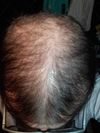
A 31-year-old man, between Norwood 4 and 5, is considering hair loss treatments like finasteride and minoxidil but is concerned about side effects. He is exploring options with doctors and considering a hair transplant, noting that some clinics require medication before and after the procedure.
A 35-year-old male experienced significant hair improvement using microneedling, finasteride, minoxidil, and keto shampoo. He adjusted his microneedling routine for better results.
The user experienced significant hair regrowth using a regimen of minoxidil 5% twice daily, finasteride 1 mg daily, microneedling, ketoconazole 2% twice a week, and occasional castor and coconut oil, along with daily scalp massages. They are optimistic about reversing their Norwood 5/6 hair loss.
Panax ginseng, specifically a ginsenoside-enriched formulation, is suggested as a potential hair growth treatment alongside finasteride and minoxidil. The user is considering trying panax ginseng despite limited availability and evidence.
The conversation is about a user's 26-month hair loss treatment journey using finasteride, minoxidil foam, and microneedling, with gradual improvement in their hairline. The user applied treatments consistently and adjusted the frequency of microneedling based on feedback, noting that progress can feel slow compared to others.
The user shared progress pictures after using topical finasteride, minoxidil, and tretinoin for about 9 months, along with weekly microneedling, cold showers, and a diet free of processed foods. They reported no side effects.
GT20029 and KX826 are promising hair loss treatments, with GT20029 increasing hair count and KX826 showing significant results. KX826 may be a good alternative for those who can't use finasteride or dutasteride, though results vary.
A 23-year-old is experiencing severe hair loss and has been using oral minoxidil for 5 months without success. They plan to use ketoconazole cream, emu oil, peppermint oil, evening primrose oil, taurine, black currant oil, and a microneedle roller, and are seeking advice on their routine.
The user is seeking a doctor to prescribe finasteride for a receding hairline and thin hair, considering using minoxidil and supplements as well. Suggestions include using telehealth services or local doctors for prescriptions and exploring non-surgical treatment options with dermatologists.
The user started using topical and oral Minoxidil in December 2024, added ketoconazole shampoo in February 2025, and began using topical Dutasteride mixed with Minoxidil. The ketoconazole shampoo stopped scalp itchiness, but the hairline looks the same, with existing hairs appearing frail and thin.
Combining microneedling and tretinoin with topical minoxidil involves discontinuing tretinoin a week before microneedling and resuming it a week after. Some people microneedle weekly, adjusting tretinoin use accordingly.
The user is treating hair loss with topical Minoxidil, Finasteride, RU58841, microneedling, and Ketoconazole. For grey hair, they use L-Cysteine, L-Methionine, and PABA, and have noticed some re-pigmentation.
Microneedling with 5% minoxidil improves hair growth for hair loss patients. Best protocol: 1.5mm dermaroller weekly for 12 weeks or 0.6mm dermapen every 2 weeks for 12 weeks, skipping topicals for 24 hours.
Using retinol with minoxidil may not be as effective as tretinoin, but retinaldehyde or adapalene could be alternatives. A micro-roller with minoxidil is suggested for better results.
The user is seeing early hair growth results from using 0.25mg Finasteride, Minoxidil, Ketoconazole shampoo, and microneedling, with some initial side effects like light aching and decreased libido that are improving. They experienced normal shedding after starting Minoxidil and are considering increasing the Finasteride dose if needed.
25-year-old male with Norwood 2 hair loss tried PRP injections without success. Dermatologists didn't recommend finasteride or minoxidil, but suggested PRP + Mesotherapy for 50% improvement.
Managing seborrheic dermatitis using ketoconazole shampoo, Nizoral, and oils like MCT and coconut oil. The user considers shaving their head and consulting a dermatologist.
The user shared their hair loss treatment progress using minoxidil, ketoconazole shampoo, a dermaroller, biotin, Pura d'or shampoo, and Propidren. They apply minoxidil daily, take Propidren and biotin pills, use two types of shampoo, and use a dermaroller weekly, avoiding finasteride due to concerns about side effects.
A 30-year-old is seeking advice on hair loss treatment, currently using oral minoxidil, finasteride, mesotherapy, and a supplement. They are experiencing shedding and are anxious about the effectiveness of the treatment, asking if they should continue or consider other options like topicals or microneedling.
SCUBE3 is available online but poses risks like tumor promotion and high costs. Users advise against using it due to health concerns and inefficacy as a standalone treatment.
A user's experience with hair loss treatments such as finasteride, ketoconazole, and oral minoxidil that have not yielded any results; other users suggest shaving the head or getting a wig, while others offer additional advice such as seeing a dermatologist, checking thyroid levels, switching to dutasteride and adding needling, and trying stemoxydine.
The user is using a regimen of 1mg Dutasteride daily, topical finasteride and minoxidil, multivitamins, and supplements to address hair loss but hasn't seen improvement. Suggestions include sticking to one medication, considering oral minoxidil, and possibly a hair transplant, while noting that some treatments may not regrow hair.
A 20-year-old using 1 mg finasteride, 2 ml topical minoxidil, tretinoin, and microneedling for hair loss shows progress after three months, with thicker hair and temple regrowth. No side effects reported, and the user is considering switching to oral minoxidil.
LLLT (low-level laser therapy) is as effective or better than traditional minoxidil treatment for hair growth, with fewer side effects and improved long-term compliance due to milder adverse effects. Studies show LLLT increases hair density more than minoxidil, but drawbacks include the initial cost and the need for long-term use to see results.
The conversation is about seeking recommendations for clinics in Los Angeles that offer dutasteride mesotherapy for hair loss treatment. The user is asking for experiences and suggestions from the community.
Treating Seborrheic Dermatitis, a fungal scalp condition which can cause hair loss. Treatments discussed include antifungal shampoos, cold showers, exfoliating the scalp, taking Vitamin D, and stimulating the prostate through the anus.
A user experienced rapid hair loss and successfully regrew hair using minoxidil daily and finasteride 0.5mg every other day, along with lifestyle changes. They reported significant improvement after initial setbacks and emphasized the importance of starting treatment early.