Search
for
Sort by
Community Join
870-900 / 1000+ resultscommunity Nizoral ketaconazole any good for dht reduction
A 17-year-old is looking for alternatives to finasteride for DHT control to preserve hair, considering ketoconazole shampoo for its potential to inhibit 5AR and also thinking about using caffeine-containing shampoos like alpecin or watermans.
community fluridil (topilutamide) vs. cb-03-01 (clascoterone)
The conversation is about comparing the effectiveness of fluridil and clascoterone in preventing hair loss and inquiring about their use as standalone treatments. There is a question about the concentration of the fluridil brand for efficacy.
community 1 year and 2 months progress ( finasteride 1.25 mg every day, topical min 5% twice a day, dermastamping 1x per week, RU58841 once a day ) 21M
A user shared progress pictures after using finasteride, minoxidil, dermastamping, and RU58841 for hair loss, showing significant improvement. The conversation includes positive feedback, concerns about RU58841's safety, and questions about side effects.
community at what point does RCP no longer benefit?
A user is using Minoxidil, finasteride, saw palmetto, and Minimalist RCP serum to address hair thinning, with some success but concerns about the long-term benefits of Minimalist. They plan to continue Minoxidil and finasteride for another year before considering a hair transplant.
community This sub trying to get its hands on Pyrilutamide in light of the recent results
Hair loss treatments including Minoxidil, Finasteride and RU58841; with a focus on Pyrilutamide could potentially be used as an effective treatment.
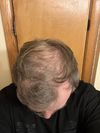
community 37 trying Min/Fin for the first time
A 37-year-old is starting minoxidil and finasteride to address hair thinning. They are hopeful for positive results after seeing others' success.
community Question about RU58841 in minoxidil
The user is considering adding RU58841 to liquid minoxidil without propylene glycol (PG) due to an allergy and is asking if this combination is effective and if PG is necessary. They have been using finasteride and minoxidil foam, plan to use RU58841 with liquid minoxidil in the evening, and continue finasteride.
community 21m, curious about what's going on with my hair
A 21-year-old male with a thyroid condition noticed his hair thinning uniformly without a receding hairline. He is considering using a 5ARI to prevent further baldness if he starts TRT.
community A concern regarding the upcoming androgen degrader drug GT20029
GT20029 is a topical treatment that degrades androgen receptors to prevent hair thinning and loss, potentially offering fewer side effects than systemic treatments like finasteride. Concerns include its impact on hair texture and potential systemic effects, with market availability speculated in 3 to 5 years.
community 8 months - 0.5mg dut, 80mg Ru58841, 5mg oral min, topical min at night, microneedle 1.5mm every other week
The conclusion of the conversation is that the user has experienced significant hair regrowth using a combination of medications, including dutasteride, RU58841, and minoxidil. They have not experienced any noticeable side effects and are considering a hair transplant in the future.
community My experience with 0.25mg Finasteride, Minoxidil induced lupus, and < 10mg RU58841.
MaximusDurkimus shares experience with 0.25mg Finasteride, Minoxidil-induced lupus, and less than 10mg RU58841 for hair loss. Plans to try 0.025% topical Finasteride with 5% Stemoxydine and possibly Tretinoin, Fluridil, or CB-03-01 in the future.
community I Honestly can’t believe it works!
A 42-year-old man started using RU-58841 for hair loss and saw noticeable results after a month and a half, even his daughter observed hair growth. He did not use minoxidil or finasteride due to cost and is considering sharing pictures if improvement continues.
community Seb derm & ru: after quitting ru for a week after 2+ years of use, my scalp is itching a lot less
Quitting RU58841 after over two years reduced scalp itching and inflammation, despite concerns about losing hair gains. The user continues using finasteride and oral minoxidil.
community End of Hair loss ( AGA ) ? Since they produce it in china probably we don’t need to wait other 10 yrs😁
GT20029 is a new hair loss treatment in Phase 3 trials in China, using PROTAC technology to target androgen receptors, potentially with fewer side effects than finasteride and minoxidil. VDPHL01, a second-generation minoxidil, is also mentioned as potentially more effective.
community Switching over to oral Dut and adding RU and Keto enriched Min and after 4 months of use the DHT itch is still there. It’s killing me. What else to do?
The user switched to oral Dutasteride, added RU58841, and used Ketoconazole-enriched Minoxidil but still experiences scalp itch and hair loss after 4 months. They are advised to give Dutasteride more time, consider seeing a dermatologist, and explore other topical solutions.
community Mystery compound found to be safe and effective at treating hair loss. Details in comments.
A compound called MTP3 from the Monoterpene family was found to be safe and highly effective at treating hair loss by inhibiting the FGF5 gene, but its identity is undisclosed for commercial reasons. No specific treatments like Minoxidil, finasteride, or RU58841 were discussed.
community Wrap it up everyone. CB-03-01 is another failed treatment
CB-03-01 is considered a failed treatment for hair loss, with future hopes pinned on PP-405 and GT-20029, expected by 2030. Alternatives like hair transplants and SMP are discussed, while some users express frustration over the slow progress of treatments like Breezula.
community 27M Seeking Non-DHT Blocker Alternatives After Minoxidil and Finasteride Issues
A user is seeking hair loss treatments without using systemic DHT blockers like finasteride due to side effects. Suggestions include clascoterone (not FDA approved), pyrilutamide, RU58841, and low-dose topical finasteride, with a recommendation to consult a doctor.
community Is hmi 115 the cure? Or is it 🧢 just like cosmeRNA, brezula, pyrilutamide, and other 📞 ies
HMI 115 is being discussed as a potential hair loss treatment, with skepticism due to past disappointments like cosmeRNA, brezula, and pyrilutamide. The user is questioning if they should be hopeful for new developments in the next six years.
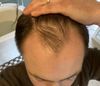
community 39yo long time receder - Dut/Min progress. Am I right to be excited!?
A 39-year-old user experienced hair regrowth using oral dutasteride, oral minoxidil, dermastamping, and Nizoral shampoo after switching from finasteride and topical minoxidil. They are hopeful for significant improvement in their receding hairline.
community Janoshik tests of Actifolic RU-58841 powder and GhK-Cu peptide
Actifolic RU-58841 powder and GhK-Cu peptide were tested and found to be accurate. The user is satisfied with the product's authenticity for hair loss treatment.
community Alotendin=Loniten?! Bulgaria Oral Minoxidil
The conversation discusses hair loss treatments, specifically oral Minoxidil, also known as Loniten or Alotendin in Bulgaria. It also mentions considering IndiaMart for purchasing options.
community Anyone else just waiting until the real pyrilutamide and then GT20029?
The user is hesitant to use finasteride due to potential hormonal side effects and is waiting for the release of pyrilutamide, a new hair loss treatment. Other users suggest trying finasteride, warning about potential regret if hair loss progresses in the meantime.
community New Preprint: Retinoic Acid Supports Verteporfin-Induced Regeneration
community New Product from Minoxidil Max - Topical Retinoic Acid (Tretinoin) is available now
A new product, a retinoic acid solution (0.3%), is available to enhance minoxidil products like Rogaine and Kirkland by converting them into a tretinoin-containing solution for improved hair loss treatment. One unit of the product is enough for a year's supply.
community Currently participating in the Extended Phase III clinical trial of Pyrilutamid in China
A user from China is participating in a clinical trial for Pyrilutamid, a potential hair loss treatment originally developed for prostate cancer. They've experienced no side effects except initial scalp itchiness, and will share results after the year-long trial.
community Almost 8 months. 40 years old. Owe it all to this sub.
A 40-year-old man successfully regrew his hair in 8 months using 0.5mg Dutasteride, 2.5 oral minoxidil, minoxidil foam twice a day, derma rolling/stamping twice a week, and retinol serum. The community praised his progress, asked about his routine, and shared their own experiences.
community Any online pharmacies i can apply for tretinoin, or buy it outright if its cheap?
The conversation is about finding online pharmacies to obtain tretinoin for hairline improvement, with suggestions including Amazon and nurx.com. Alternatives like adapalene are also mentioned.
community Mixing fast drying minoxidil with Kirkland minoxidil?
A user is considering mixing fast-drying minoxidil with Kirkland minoxidil to reduce greasiness and drying time. They also use liquid minoxidil to apply RU58841 powder.