A 47-year-old man has been using a topical spray containing minoxidil, finasteride, biotin, and ketoconazole for hair loss but has not seen any regrowth and is experiencing more hair loss. He is considering switching to a pill form due to frustration with the lack of results.
Cosmo Pharmaceuticals has enrolled about 850 out of 1400 patients for their phase 3 clinical trials of clascoterone (Breezula) and claims to be on schedule. The conversation is about hair loss treatments.
There is no new information on pp405, with data collection expected to finish by the end of 2025. Users are discussing the timeline for data analysis and completion of Pelage Pharmaceuticals' phase 2 study.
Minoxidil is commonly used for male pattern baldness, but Procapil is considered to have fewer side effects and be more effective. The user seeks information or experiences regarding Procapil.
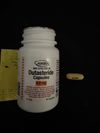
The reasoning for GSK's approval of dutasteride for hair loss in Japan and South Korea but not the US, with alternatives such as finasteride, minoxidil and RU58841 mentioned.
Hope Medicine's announcement of the HMI-115 Phase II clinical trial for androgenetic alopecia in China; other related trials have been conducted or are ongoing in different countries, including Australia, US, and Europe. There is speculation that the product may be accepted across borders without additional testing.
The user shared their one-year progress using finasteride, minoxidil, a dermastamp, and ketoconazole shampoo, noting stabilization but challenging regrowth in the temples. Another user discussed using a 1.5mm dermastamp daily with minoxidil for better results, but concerns about scarring were raised.
.
This user has been using Kirkland Minoxidil foam and 1 mg finasteride for 8 months, as well as a diet change, regular exercise, and daily biotin and Animal Pak supplements to treat their hair loss. So far they have not experienced any side effects from the finasteride.
The user experienced side effects like shallow breathing, loss of libido, and erectile issues after using topical finasteride with minoxidil for hair loss. They are considering whether to continue the treatment despite these side effects.
RU58841 caused chest tightness, throat irritation, and headaches, leading the user to stop its use. The user plans to restart with a lower dose if symptoms fully disappear but remains cautious due to anxiety and side effects.
The conversation is about using Maxogen-X for hair loss, which contains Minoxidil, Finasteride, Azelaic Acid, ABN Complex, Retinoic Acid, Fluocinolone, and Caffeine. The user is seeking feedback on its effectiveness.
The conversation is about hair loss treatments, specifically mentioning finasteride, minoxidil, and the possibility of a hair transplant in Turkey. Users share humorous reactions and personal experiences with these treatments.
The conversation discusses the storage and use of pyrilutamide for hair loss, where one user advises against keeping it in the freezer as it may crystallize the active compounds.
User shared before and after photos of 8 months using Finasteride 1mg and Minoxidil 5% 1ml nightly, with positive results and no side effects. Others praised the progress and suggested alternative treatments like topical fin, CB-03-01, or RU58841.
HMI-115, a newly discovered hair loss treatment that could potentially be effective for those with diffuse thinning and telogen effluvium. It is based on prolactin receptor antagonist signaling and has already undergone Phase I trials in women, with potential commercialization by 2027.
GHK-Cu is a potent inhibitor of the type 1 5-alpha reductase enzyme in hair follicles, which may reduce hair loss without the side effects associated with type 2 5-alpha reductase inhibitors. The user previously experienced side effects with 5-alpha reductase inhibitors and is considering GHK-Cu as an alternative.
Reducing the dose of RU58841 from 25mg to 7.5mg topically helped minimize heart palpitations. Users discussed the cardiac effects of RU58841 and minoxidil, noting that no treatment is completely free of side effects.
The conversation is about DIY Dutasteride mesotherapy for hair loss, focusing on creating an injectable treatment to target the scalp and limit side effects. The user seeks feedback on enhancing the treatment with additional ingredients.
The post and conversation discuss different methods of applying hair loss treatments directly to the scalp. The original poster suggests using a 1ml TB Syringe & Ophthalmic Cannula for precise application, while others share their own methods, including sprays, droppers, and simple syringes.
Dutasteride, taken every other day with vitamin and mineral supplements, successfully increased crown hair density without side effects after seven months. The user plans to leave the subreddit after achieving desired hair regrowth.
The conversation discusses GT20029, a drug in Phase II trials that targets androgen receptors with minimal systemic effects, and TDM-105795, a growth stimulant with a different mechanism than minoxidil that may revive papilla stem cells. Both are potential new treatments for hair loss.
A hair loss treatment plan includes finasteride, dutasteride, RU58841, pyrilutamide, minoxidil, and microneedling to inhibit DHT and promote hair growth. It also recommends supplements like Reishi and Lion’s Mane mushrooms, and a shampoo with ketoconazole, caffeine, and melatonin.
The conversation is about trying Hair Volume by New Nordic for improving hair quality and density. The product contains biotin, apple extract, millet extract, L-methionine, pantothenic acid, silicon, zinc oxide, and copper sulfate.
The user is considering starting dutasteride (DUT) 0.5mg for hair loss due to lack of access to finasteride and is concerned about potential side effects. They seek guidance on whether to begin this treatment.
Hair therapy advertisements claim to use a mix of fallopia multiflora, ginseng, angelica sinensis, and vitex rotundifolia for hair growth. A user dismisses it as fake.
Kopexil (Aminexil) is not approved as a drug in the US and Europe because it is marketed as a cosmetic, which requires less testing and regulation. L'Oreal's 1.5% Aminexil is noted to reduce hair shedding, but its efficacy as a drug is not proven.
Applying vitamin E capsules, specifically tocotrienols, on the scalp for hair regrowth. Users are skeptical about its effectiveness due to lack of evidence.