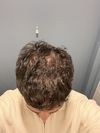
The user has been using finasteride, minoxidil, dermaneedling, and keto shampoo with great results. They seek a propylene glycol-free, volume-boosting shampoo for thin and fine hair.
User experienced bad reaction to minoxidil and asks if anyone tried stemoxydine alone for hair loss. They consider trying stemoxydine with low dose topical finasteride after testing stemoxydine on a small area.
Aminexil is similar to Minoxidil but less effective and not widely used, with some users reporting minor regrowth. It is not FDA-approved and has been removed from some products, though some people still use it, often in combination with Minoxidil.
Hair loss treatments discussed include alfatradiol, big 3, finasteride, RU58841, and stemoxydine. Alfatradiol is less effective but has fewer side effects, and mixing with stemoxydine may improve results.
The conversation discusses hair loss treatments, including minoxidil, finasteride, and dutasteride, with users sharing experiences and side effects. Some users express concerns about side effects like libido issues, while others mention alternative treatments like bee venom and dermarolling.
A 51-year-old shared their hair recovery journey using finasteride, minoxidil, and dermarolling, noting significant improvement in hairline and temple areas. They emphasize consistency and patience, while another user suggests adding topical kx-826 and melatonin for additional benefits.
The user has been experiencing hair thinning despite taking finasteride and minoxidil for six months. Bloodwork suggests a vitamin D deficiency, and users recommend consulting a doctor and possibly supplementing vitamin D.
A user experienced significant hair regrowth after 3.5 months using topical minoxidil and weekly derma rolling. Others discussed enhancing results with finasteride, ketoconazole shampoo, and microneedling.
The user is experiencing hair loss, possibly due to androgenic alopecia or telogen effluvium, and is considering treatments like Minoxidil, Finasteride, or RU58841. They also mention potential iron deficiency and sleep deprivation as contributing factors.
RU58841 was ineffective for OP, who is considering adding KX-826 with finasteride. User8 suggests KX-826 may help when combined with minoxidil and dutasteride.
A 29-year-old shared their hair recovery progress using a liposomal topical finasteride/minoxidil solution, LLLT helmet, and vitamins, noting that transplants were only on the hairline. They highlighted the effectiveness of their regimen and addressed skepticism with photos.
A user shared their 4-month progress using a serum with Minoxidil 10%, Progesterone, Azelaic acid, Retinoic acid, Latanoprost, and Hydrocortisone, along with PRP and Fotona laser treatments. They are pleased with the results and plan to continue with more PRP and laser sessions, without using Finasteride.
The user experiencing diffuse hair loss is using various treatments including RU58841, finasteride, minoxidil with tretinoin, anti-hair loss shampoo, and microneedling, and is considering adding peptides TB500, BPC157, and GHK-Cu. They have low growth hormone levels and are questioning its impact on hair loss, while another user suggests androgenic alopecia and androgens are likely the main cause of hair loss.
A user shared their experience with Finasteride for hair loss, noting a significant reduction in DHT levels and a complete loss of libido without other side effects. Another user agreed, discussing the negative impact on sexual drive and criticizing the community's attitude towards discussing side effects.
A 30 year-old male's 8 month progress with hair loss treatments, including minoxidil, finasteride, microneedling, scalp massage, and ketoconazole. Another user mentioned the shed being significant.
Exploring hair loss treatments, with a focus on Finasteride and RU58841 as well as other topical solutions like stemoxydine 5%. The user found that they were sensitive to both oral and topical finasteride, but remain optimistic about finding the right treatment.
The post discusses a 21-month treatment of hair loss using Finasteride, a 13-month treatment with Minoxidil, and a 2-month treatment with Stemoxydine. Replies suggest enhancing results by adding a micro needling pen and tretinoin to the regimen, and consider Finasteride and Minoxidil as crucial treatments.
The user has been using finasteride and minoxidil for 8 years and recently started dutasteride, but still experiences thin, see-through hair. Suggestions include adding probiotics, changing hairstyle, checking hormones, supplementing vitamin D3, trying laser therapy, and improving gut health.
The user has been using Dutasteride, Minoxidil, Ketoconazole, and RU58841 for hair loss but sees subpar results. Suggestions include adjusting treatments, considering a hair transplant, and addressing scalp inflammation.
PP405 is discussed as a potential treatment for hair loss, with excitement about its promise but skepticism about its current effectiveness. Users mention combining it with treatments like minoxidil, finasteride, and microneedling, but emphasize it is not a cure.
Minoxidil can cause scalp itchiness, often due to propylene glycol, and users suggest alternatives like foam formulations without PG, using moisturizing oils, or reducing application frequency. Some recommend ketoconazole or zinc pyrithione shampoos to help with inflammation and itchiness.
The user shared their hair loss treatment progress using Finasteride, Dutasteride, and Minoxidil, noting initial irritation with topical Minoxidil and experiencing shedding phases. They reported no side effects and encouraged others to try this regimen for alopecia.
A 46-year-old man is using minoxidil, finasteride, and derma rolling for hair regrowth but is unsure of the results and considering a hair transplant. Many suggest he looks good bald and recommend continuing treatment or trying scalp micropigmentation.
The user has been experiencing severe scalp itching and red spots after using finasteride for two years, suspecting possible allergies or a fungal infection. Despite trying ketoconazole shampoo and stopping saw palmetto supplements, the symptoms persist, leading to increased hair loss.
The conversation discusses hair loss treatment options, focusing on finasteride and its potential effects on gynecomastia. The user is considering finasteride while managing hormone levels with supplements like boron, vitamin D, zinc, magnesium, and P5P, and is advised to consult an endocrinologist for further evaluation.
A 23-year-old stopped using finasteride due to sexual side effects after three years. The discussion covers experiences with finasteride, dutasteride, and other treatments, noting varied side effects and effectiveness.
The conversation discusses hair loss treatments, specifically topical dutasteride, minoxidil, and finasteride. Users share experiences and opinions on the effectiveness and side effects of these treatments.
Microneedling combined with minoxidil is more effective for hair growth than microneedling alone. Optimal results are seen with weekly microneedling using 0.5 - 1mm needles and regular minoxidil application, avoiding minoxidil on the needled area for 24 hours.
A 31-year-old male experienced hair shedding after rapid weight loss and stopping vitamins, despite using minoxidil and other supplements. He is considering Saw Palmetto and Pumpkin Seed Oil instead of finasteride due to trying for kids, and is concerned about high ferritin and DHEAS levels.
People with diffuse thinning and retrograde hair loss are discussing treatments like finasteride, minoxidil, and dutasteride, with some reporting improvements and others experiencing issues like scalp inflammation and increased sebum. Suggestions include addressing scalp inflammation, considering gut health, and possibly using topical antiandrogens or micro-needling.