Effective treatments for hair loss include finasteride, dutasteride, RU58841, and minoxidil. Starting treatment early is important, and users discuss different brands, forms, and side effects.
A 20-year-old is experiencing hair loss despite using dutasteride and oral minoxidil. Suggestions include consulting a specialist, considering RU58841, and checking for other conditions and vitamin deficiencies.
Switching from finasteride to dutasteride for hair loss yields mixed results, with some users experiencing improvements and others facing worsening conditions or side effects like shedding. Patience is advised as dutasteride may take longer to show results, and combining treatments is suggested by some users.
An 18-year-old began using Finasteride and Topical Minoxidil for hair loss, later switching to Oral Minoxidil and Dutasteride by age 25. The conversation emphasizes early treatment, potential side effects, and differing opinions on medication effectiveness.
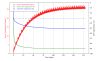
A Dutasteride Simulator predicts serum dutasteride, serum DHT, and scalp DHT levels using models from research papers. It simulates various dosing schedules to determine steady-state effects and visualizes outcomes, including hair growth-related scalp DHT suppression.
Stopping minoxidil and finasteride for three months caused significant hair loss. The user resumed treatment with 2.5mg oral minoxidil and 0.6mg finasteride and plans to update on progress in three months.
The treatment for androgenetic alopecia involves using finasteride and minoxidil with intense exercise and cold exposure to boost metabolism and reduce androgenic effects, potentially leading to hair regrowth. This approach may activate biological pathways for improved hair and overall health.
A user was embarrassed by a pharmacist's loud mention of "minoxidil" for hair loss, sparking a discussion on the stigma and unprofessionalism. Users suggested online purchases or different pharmacies for privacy and reassured that most people don't notice others' purchases.
The user applies Rogaine foam, Toppik hair fibers, and Tresemme mousse to improve hair appearance and has restarted finasteride after a year off. They are considering a hair transplant and are working on self-esteem related to hair loss.
Finasteride and dutasteride are essential for stopping hair loss, while natural remedies are ineffective. Minoxidil can be added if needed, but blocking DHT is crucial.
A 19-year-old experienced worsening hair loss after 4 months on finasteride, despite initial improvement with minoxidil. The consensus is to continue treatment for at least a year, as shedding is common and often temporary.
The user reported significant hair improvement over 15 months using dutasteride, minoxidil (oral and topical), RU58841, ketoconazole, and microneedling. They are considering a hair transplant in 4-6 months.
User had a hair transplant and used a finasteride and minoxidil spray for 6 months with no results. After adding finasteride tablets for 1 month, they saw significant hair growth improvement.
A 36-year-old considering a fourth hair transplant is advised to either shave his head or use a hair system due to poor results from previous transplants and late medication use. He plans to consult top surgeons and adjust his current treatments, including finasteride and minoxidil.
User shared 3.5 months progress on oral finasteride 1.25mg daily with no side effects. Other users commented on the effectiveness and shared their experiences.
Topical finasteride is considered a safer option for hair regrowth with fewer systemic side effects compared to oral finasteride. Some users report similar efficacy and side effects between topical and oral treatments, while others prefer topical due to reduced systemic exposure.
Peptides like TB500, KPV, GHK-CU, and BPC-157 are overhyped for hair growth with limited proven effectiveness in humans. Combining peptides with delivery methods like iontophoresis and sonophoresis shows promise, but many claims remain unproven.
People discussing hair loss treatments emphasize the need for patience, as results from using finasteride and minoxidil can take 8-12 months or longer. Some users report early signs of improvement, while others experience continued shedding or slower progress.
The conversation discusses skepticism around claims that dutasteride worsens hair loss, with some users suggesting misinformation or panic during shedding as reasons for such claims. One user shared their negative experience with dutasteride, including increased sebum production and hair loss, and is now considering a higher dose of oral minoxidil after stopping dutasteride.
The user shared a 1.4-year hair growth journey using minoxidil and recently added micro-needling and finasteride, which significantly improved their hair. They also mentioned taking consistent photos for comparison and dermarolling once a week with a 1.5 mm needle.
Oral minoxidil may cause dry skin and dark eye bags but doesn't significantly age the skin. Topical minoxidil is toxic to cats, and some users prefer finasteride.
The conversation discusses whether to use finasteride for hair loss, considering its role in inhibiting DHT and 5AR, which can affect brain function and mood. Some users report anxiety and depression from finasteride, while others do not experience these side effects and emphasize the importance of DHT for brain and prostate health.
A 23-year-old started taking 0.25 mg of Finasteride daily for hair loss after trying Minoxidil and derma rolling without success. People shared varied experiences with Finasteride, discussing potential side effects, effectiveness, and personal decisions regarding hair loss treatment.
The conversation is about someone sharing their 2.5-year hair regrowth journey using finasteride and topical minoxidil, emphasizing the importance of consistency and patience with these treatments. They also mention using tea tree conditioner and experiencing no side effects from oral finasteride.
The conversation discusses various treatments for hair loss, including finasteride, minoxidil, dutasteride, microneedling, and checking for nutrient deficiencies. Some users suggest adding hydrocortisone butyrate, low-dose progesterone, or tretinoin to treatment regimens, while others recommend cosmetic solutions like Toppik hair fibers or shaving the head.
The conversation discusses the effectiveness of different concentrations and dosages of topical finasteride on scalp and serum DHT levels, comparing it to oral finasteride and noting the side effects seem to be fewer at lower dosages. Participants shared experiences and referenced a chart indicating similar scalp DHT reduction with 0.025% topical finasteride as with 1mg oral finasteride, but with fewer side effects.
A 23-year-old male shared his 6-month hair loss progress using Minoxidil, Finasteride, Ketoconazole shampoo, microneedling, and vitamin supplements. He noticed hair loss at 19, which accelerated during the pandemic.
The user successfully treated their hair loss using 1ml of minoxidil twice daily and dermarolling with a 1.5mm dermaroller once a week. They experienced noticeable results only after combining minoxidil with dermarolling, and they have not used finasteride.
The user has been treating hair loss for 2.5 years using finasteride, dutasteride, oral and topical minoxidil with tretinoin, and microneedling, but is experiencing shedding and is unsure if further improvement is possible. Another person shared a similar experience with no gains despite similar treatments.
A user shared a 6-month hair loss treatment routine including Mexican finasteride (1.25mg every other day), daily minoxidil, bi-weekly dermarolling, and ketoconazole shampoo twice a week, noting significant crown growth and some frontal hairline improvement with initial side effects that have since subsided. They are seeking advice to improve results, particularly at the frontal hairline, without resorting to a hair transplant.